
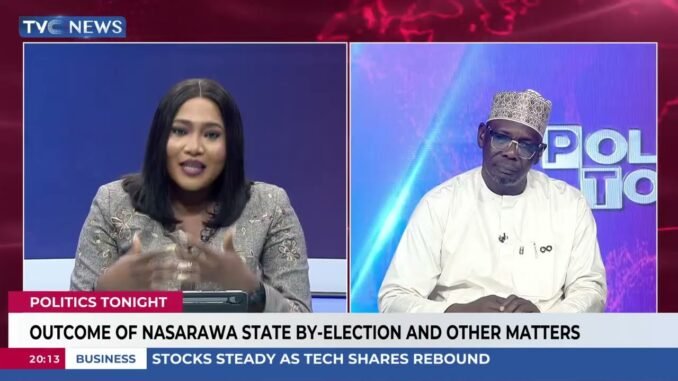

Summary: Nasarawa State Governor Abdullahi Sule challenges Peter Obi’s call for President Tinubu’s resignation, questioning why Obi didn’t step down during Anambra’s security crisis. The political exchange highlights Nigeria’s ongoing debate over leadership accountability.
The political atmosphere in Nigeria just got hotter! Governor Abdullahi Sule of Nasarawa State has come out swinging against former Anambra State Governor and 2023 Presidential candidate Peter Obi, following Obi’s recent statement calling for President Bola Tinubu to resign.
The Controversy That Started It All
Peter Obi, the Labour Party’s flag bearer in the last presidential election, recently made headlines by suggesting that President Tinubu should consider resigning due to the country’s worsening security situation, persistent economic hardship, and other challenges facing the nation.
But Governor Sule wasn’t having any of it. In what many are describing as a classic case of “person wey dey glass house no suppose throw stone,” the Nasarawa helmsman threw the question right back at Obi.
Sule’s Sharp Response
The governor’s counter-argument was direct and piercing: Why didn’t Peter Obi resign when Anambra State was experiencing its own catastrophic security challenges during his tenure as governor?
This question has sparked intense debate across social media platforms, with Nigerians divided along familiar political lines. Some see it as a valid point about consistency in leadership accountability, while others view it as a deflection from current national challenges.
Context Matters: Anambra’s Security Struggles
Those who followed Anambra State politics during Obi’s governorship (2006-2014) will remember that the state wasn’t exactly a haven of peace throughout that period. Like many southeastern states, Anambra battled various security challenges, including kidnapping, armed robbery, and cult-related violence.
However, Obi’s supporters are quick to point out that the scale and nature of insecurity then cannot be compared to what Nigeria is experiencing now under federal leadership—from banditry in the Northwest to insurgency in the Northeast, kidnapping across multiple states, and the general sense of vulnerability many Nigerians feel today.
The Bigger Question: When Should Leaders Resign?
This exchange between Sule and Obi raises a fundamental question that Nigerians have been asking for years: At what point should a leader throw in the towel and admit defeat?
In Nigerian political culture, resignation is almost unheard of. Unlike in some Western democracies where leaders resign over scandals or policy failures, Nigerian politicians typically stay put regardless of circumstances. It’s almost as if the seat comes with super glue!
What Nigerians Are Saying
As expected, Nigerians on social media have had a field day with this back-and-forth:
Some are praising Governor Sule for “exposing the hypocrisy” of opposition politicians who demand standards from others that they didn’t meet themselves.
Others are accusing the governor of “whataboutism”—the practice of deflecting criticism by pointing out someone else’s failings rather than addressing the current issue.
A third group is simply tired of the whole political drama, wishing leaders would focus less on defending positions and more on solving the problems that ordinary Nigerians face daily.
The Real Issue Behind the Rhetoric
Beyond the political point-scoring, this exchange highlights a deeper problem in Nigerian governance: the lack of accountability mechanisms that work.
Whether at state or federal level, Nigerian leaders rarely face consequences for poor performance. Elections come and go, but the fundamental challenges—insecurity, poverty, poor infrastructure, corruption—remain stubbornly persistent.
Where Do We Go From Here?
While Governor Sule and Peter Obi trade political jabs, millions of Nigerians are simply trying to survive. The price of garri has gone through the roof, fuel costs continue to bite hard, and many families sleep with one eye open, worried about kidnappers or armed robbers.
The question isn’t really whether Tinubu should resign or whether Obi should have resigned back then. The real question is: How do we create a system where leaders are genuinely accountable to the people they serve?
Until we figure that out, we’ll continue to see these political theatrics while the country’s problems grow deeper.
Final Thoughts
This latest political drama is entertaining, no doubt. But as we watch these power players exchange verbal blows, let’s not lose sight of what matters most: good governance, security, economic stability, and a better life for all Nigerians.
Whether you’re Team Obi, Team Tinubu, or Team “I just want steady electricity and affordable food,” one thing is clear—Nigeria deserves leadership that delivers results, not just rhetoric.
What do you think? Should leaders resign when things go wrong, or should they stay and fix the problems? Drop your thoughts in the comments below!
Stay connected for more updates on Nigerian politics and current affairs. Don’t forget to share this article with your friends and family!
Check buzzUp9ja for more details
Be the first to comment