

Historic negotiations mediated by Pakistan and Qatar signal potential end to decades of hostility
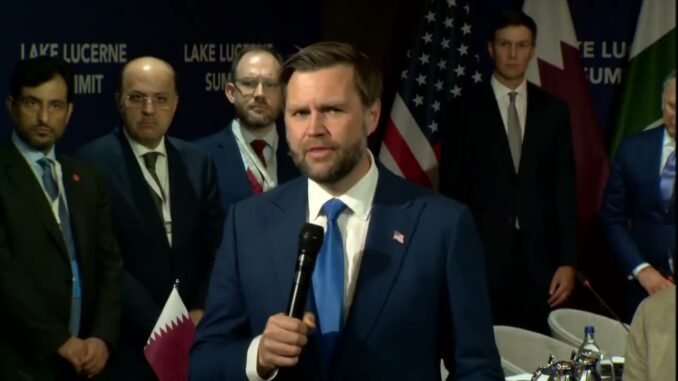
In what could mark a turning point in one of the world’s longest-running geopolitical tensions, United States Vice President J.D. Vance has announced that recent high-level talks with Iran have established a “good foundation” for achieving a final peace agreement between the two nations.
The groundbreaking discussions, held at the prestigious Buergenstock resort in the Swiss mountains, have resulted in both countries agreeing to a comprehensive roadmap aimed at securing a permanent peace deal within the next 60 days.
Pakistan and Qatar Broker
Historic Dialogue
The talks, which many international observers had deemed nearly impossible just months ago, were successfully mediated by Pakistan and Qatar—two nations with established diplomatic channels to both Washington and Tehran. Their role as intermediaries has been praised by analysts who understand the delicate nature of US-Iran relations, which have been strained for over four decades.
For Nigerians watching these developments, the significance cannot be overstated. As Africa’s largest economy and a major player in global oil markets, Nigeria has long felt the ripple effects of Middle Eastern tensions. Instability in the Persian Gulf region directly impacts global crude oil prices, affecting everything from fuel costs at Nigerian filling stations to the nation’s foreign exchange earnings.
What This Means for Global Peace and Stability
The US-Iran relationship has been characterized by mutual suspicion, economic sanctions, and periodic military tensions since the 1979 Iranian Revolution. Previous attempts at dialogue have yielded mixed results, including the 2015 nuclear deal (JCPOA) which the US later withdrew from under the Trump administration.
This new initiative represents a fresh approach, with both sides apparently willing to address core issues that have kept them at loggerheads for generations. While specific details of the roadmap remain confidential, diplomatic sources suggest the framework covers nuclear non-proliferation, regional security concerns, economic sanctions relief, and normalized diplomatic relations.
The Nigerian Angle: Why We Should Care
Nigerian policymakers and business leaders have reason to follow these developments closely. A stable Middle East could mean:
– More predictable oil prices: Reducing volatility in global energy markets that affect Nigeria’s budget planning and economic forecasts
– Enhanced trade opportunities: As sanctions lift, new markets could open for Nigerian exports and investment partnerships
– Regional security lessons: The mediation process offers insights for conflict resolution in West Africa and the Sahel region
– Diplomatic positioning: Nigeria’s own role in African and global peacekeeping efforts could be strengthened by studying successful international mediation
The Road Ahead: Challenges and Opportunities
While Vice President Vance’s optimistic assessment suggests genuine progress, seasoned diplomats caution that the next 60 days will be critical. Historical precedents show that translating preliminary agreements into binding treaties requires navigating complex domestic politics in both countries.
Hardliners in both Washington and Tehran remain skeptical of any rapprochement, and powerful interest groups on both sides could work to derail the process. The involvement of respected mediators like Pakistan and Qatar, however, provides institutional support that could help sustain momentum even when negotiations hit inevitable rough patches.
A New Chapter in International Relations?
As the world watches this diplomatic drama unfold in the serene Swiss Alps, the potential implications extend far beyond the two principal parties. A successful US-Iran peace agreement could reshape regional alliances across the Middle East, influence global energy markets, and potentially serve as a model for resolving other seemingly intractable international disputes.
For Nigeria and the broader African continent, the hope is that reduced global tensions will create a more stable international environment conducive to economic growth, increased foreign investment, and the pursuit of continental development goals.
The next two months will reveal whether this “good foundation” can support the weight of a lasting peace—or whether it will join the long list of promising starts that failed to reach the finish line. One thing is certain: the world will be watching closely, and the stakes couldn’t be higher.
What are your thoughts on this potential breakthrough? How do you think improved US-Iran relations could affect Nigeria and Africa? Share your views in the comments below.
Stay connected on buzzUp9ja
Be the first to comment