
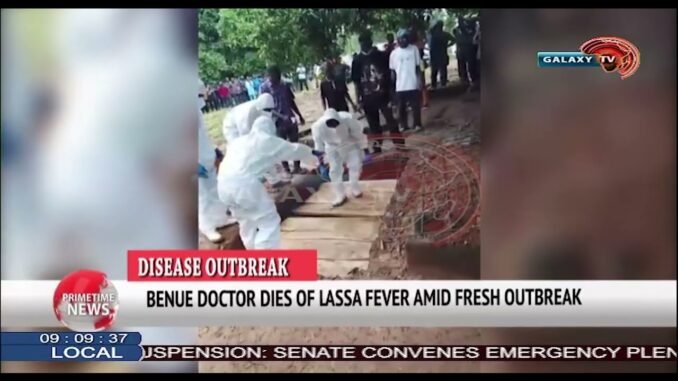

The Benue State health community is in mourning following the tragic death of a senior medical doctor who succumbed to Lassa fever complications. The deceased, who was working with the AIDS Prevention Initiative in Nigeria (APIN) in Konshisha Local Government Area, represents a stark reminder of the ongoing battle against this deadly viral disease in our country.
Understanding the Current Situation
This latest casualty has sent shockwaves through the medical community in Benue State and beyond. The loss of a healthcare professional to Lassa fever is particularly concerning, as medical workers are often on the frontlines of disease prevention and treatment, exposing themselves to significant risks while serving their communities.
The death comes amid reports of a fresh outbreak of Lassa fever in Benue State, raising urgent questions about preparedness, protection protocols, and public health response mechanisms in the affected areas.
What Nigerians Need to Know About Lassa Fever
Lassa fever remains one of the most persistent public health challenges facing Nigeria, particularly during the dry season when the disease-carrying rodents are most active. The viral hemorrhagic illness, transmitted primarily through contact with food or household items contaminated by infected Mastomys rats, continues to claim lives across several states.
Key Facts About Lassa Fever:
– Transmission: Primarily spread through contact with urine or droppings of infected rodents
– Symptoms: Fever, weakness, headache, sore throat, muscle pain, and in severe cases, bleeding
– Prevention: Maintaining proper hygiene, proper food storage, and eliminating rats from living spaces
– Treatment: Early detection and treatment significantly improve survival rates
The Growing Concern
The death of a medical professional underscores the severity of the current outbreak and raises important questions about:
1. Healthcare worker protection: Are our medical facilities adequately equipped with personal protective equipment (PPE)?
2. Early detection systems: Is there sufficient surveillance to catch cases before they become critical?
3. Public awareness: Do communities understand how to protect themselves from infection?
What This Means for Benue Residents
For residents of Benue State, particularly those in Konshisha Local Government Area and surrounding communities, this development serves as an urgent wake-up call. Health authorities are likely to intensify surveillance and response efforts, but individual and community action remains crucial.
Practical Steps to Stay Safe:
– Keep your homes and surroundings clean to discourage rodent infestation
– Store food items in rat-proof containers
– Dispose of refuse properly and away from living areas
– Avoid bush burning, which can drive rodents into homes
– Seek immediate medical attention if you experience fever and other suspicious symptoms
– Report any suspected cases to health authorities promptly
A Call to Action
The loss of this dedicated medical professional should spur both government and citizens into action. State health authorities must ensure that healthcare facilities are properly equipped and that medical personnel have access to adequate protective gear. Equally important is the need for sustained public enlightenment campaigns to help communities understand and implement preventive measures.
For healthcare workers across the state and nation, this tragedy emphasizes the importance of strict adherence to infection control protocols and the need for constant vigilance when handling suspected cases.
Moving Forward
As Benue State grapples with this fresh outbreak, the focus must be on rapid containment, comprehensive contact tracing, and aggressive public education. The death of any medical professional is a loss to the entire healthcare system, but it should also serve as a catalyst for improved preparedness and response.
Our thoughts and prayers are with the family, colleagues, and loved ones of the deceased doctor. May his sacrifice not be in vain but rather inspire renewed commitment to combating Lassa fever and protecting both healthcare workers and the general public from this preventable disease.
Stay informed, stay vigilant, and prioritize your health. If you suspect Lassa fever symptoms, contact your nearest health facility immediately. Early treatment saves lives.
Check buzzUp9ja for more details
Be the first to comment