

—
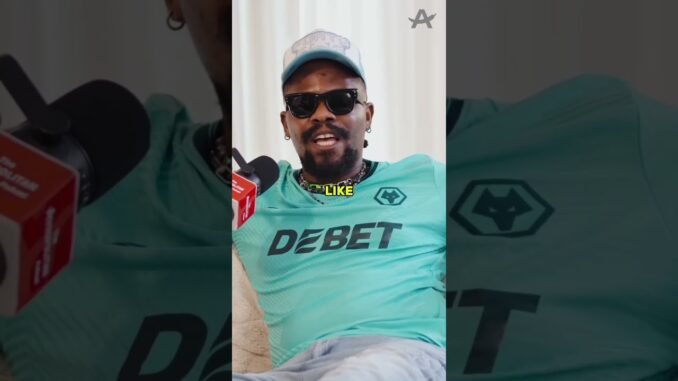
Nigerian rapper and music star Ycee has sparked a crucial conversation about the state of intellectualism and values in Nigeria’s digital age. In a candid podcast interview, the “Juice” crooner didn’t mince words as he addressed what he termed an “Olodo uprising” – a troubling trend where ignorance and anti-intellectualism are being celebrated and rewarded on social media.
The Rise of the ‘Olodo’ Culture
Ycee’s comments shine a spotlight on a growing phenomenon in Nigerian cyberspace: content creators who deliberately embrace ignorance or perform outrageous, senseless acts for views, likes, and ultimately, money. The rapper expressed deep concern that this trend is fundamentally changing how young Nigerians view education and intellectual pursuit.
“We’re rewarding people for doing dumb things online,” Ycee stated bluntly, pointing to how viral fame and social media success have become more attractive to many youths than academic achievement or developing genuine skills.
The Peller Effect
While Ycee didn’t attack individuals directly, his reference to “Peller culture” speaks to a broader pattern where internet personalities gain massive followings and financial success through content that often lacks substance or educational value. The observation raises an important question: What message are we sending to the next generation when being “olodo” (unintelligent or uneducated) becomes a viable career path?
This phenomenon isn’t unique to Nigeria, but it hits differently in a country where education has traditionally been seen as the primary ladder out of poverty and into prosperity. For decades, Nigerian parents sacrificed everything for their children’s education, viewing it as the ultimate investment. Today, that narrative is being challenged by teenagers who watch their age mates buy cars and build houses from creating 30-second comedy skits or dance videos.
The Devaluation of Education
Ycee’s concerns about the declining value placed on education in Nigeria aren’t unfounded. With university lecturers frequently on strike, graduate unemployment at alarming levels, and stories of degree holders struggling while social media influencers thrive, it’s easy to see why many young people are questioning the worth of formal education.
However, the rapper’s point goes deeper than just choosing social media over school. It’s about what we celebrate as a society. When ignorance becomes content, when being uninformed is played for laughs and rewarded with millions of naira in brand deals, we’re creating a dangerous precedent.
The Algorithm Doesn’t Care About Your Certificate
Social media algorithms don’t discriminate based on educational qualifications – they reward engagement. Unfortunately, outrageous, controversial, or dumbed-down content often generates more engagement than thoughtful, educational material. This creates a perverse incentive structure where “doing dumb things” becomes more profitable than intellectual labor.
Nigerian youths, already frustrated by a system that seems to offer little return on educational investment, are simply following the money. Why spend four years (or more, thanks to ASUU strikes) earning a degree that might not lead to employment when you can potentially become a millionaire overnight by going viral?
A Call for Balance
Ycee’s commentary isn’t a call to abandon social media or entertainment – after all, he built his own career in the digital age. Rather, it’s a plea for balance and intentionality about what we celebrate and reward.
There’s nothing wrong with entertainment or light-hearted content. Comedy, dance, and creativity have always been part of Nigerian culture. The problem arises when we begin to exclusively celebrate and reward anti-intellectualism, when being educated becomes something to hide rather than showcase, when “olodo” becomes an aspirational identity.
What’s the Way Forward?
As a society, we need to have honest conversations about:
– Redefining success: Financial success isn’t the only metric that matters. Character, knowledge, and contribution to society should still count.
– Responsible content creation: Influencers and content creators can entertain while still promoting positive values.
– Educational reform: Nigeria’s education system needs serious reform to make it relevant and rewarding again.
– Parental guidance: Parents must help children navigate social media’s influence while maintaining respect for education.
– Platform responsibility: Social media platforms and brands should consider the long-term impact of who and what they amplify.
The Bigger Picture
Ycee’s “Olodo uprising” comments reflect a deeper anxiety about Nigeria’s future. A nation that celebrates ignorance over knowledge, that rewards senselessness over sense, is a nation heading toward intellectual bankruptcy.
This doesn’t mean every young person needs a university degree, but it does mean we should cultivate a society that values learning, critical thinking, and genuine skill development – whether formal or informal.
The question isn’t whether social media is good or bad – it’s here to stay. The real question is: What kind of online culture do we want to build? One that elevates our collective intelligence or one that races to the bottom for clicks and cash?
Final Thoughts
Ycee’s observations should serve as a wake-up call. While we can’t stop the digital revolution or the democratization of fame that social media has brought, we can be more intentional about what we celebrate, support, and reward.
The “Olodo uprising” isn’t just about individual content creators – it’s about us as a society. Every like, share, and comment is a vote for the kind of culture we want. Every brand deal awarded to senseless content is an endorsement of that behavior. Every time we mock education or celebrate ignorance, we’re contributing to the problem.
Nigeria has always been a nation of brilliant minds, innovators, and intellectuals. Let’s not trade that legacy for viral fame and temporary trends. Our future depends on it.
What do you think about Ycee’s comments? Is there really an “Olodo uprising” in Nigeria? Share your thoughts in the comments below.
Stay tuned on buzzUp9ja for more updates
Be the first to comment