
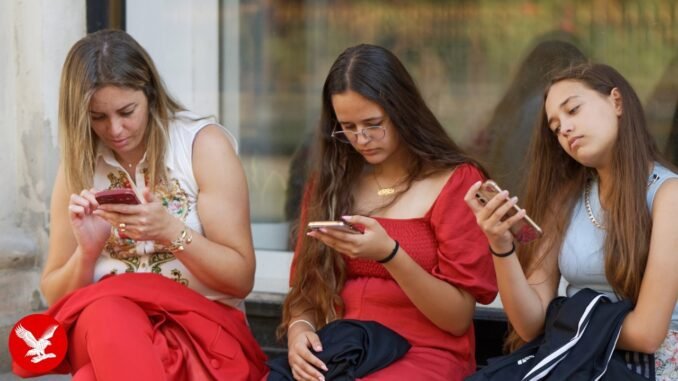

Summary: British PM Keir Starmer announces social media ban for under-16s. Learn what this means for digital parenting and child online safety in Nigeria and globally.
The United Kingdom is making headlines with a bold move that could reshape how children interact with the digital world. British Prime Minister Keir Starmer has announced plans to ban social media use for anyone under the age of 16, joining a growing list of countries taking drastic measures to protect young people online.
A Major Policy Shift
“It’s a big step,” Prime Minister Starmer acknowledged, recognizing the significance of this decision. The UK government is positioning itself alongside nations like Australia, which has already implemented similar restrictions, in what appears to be a global movement toward stricter child online safety regulations.
This announcement comes at a time when concerns about social media’s impact on young people have reached fever pitch worldwide. From cyberbullying and mental health issues to exposure to inappropriate content and online predators, parents everywhere—including here in Nigeria—are grappling with how to keep their children safe in an increasingly digital age.
What Does This Mean for Nigeria?
While this policy applies to the UK, it raises important questions for Nigerian parents and policymakers. Nigeria has one of the youngest and fastest-growing populations of internet users in Africa, with millions of children and teenagers active on platforms like Instagram, TikTok, Facebook, and WhatsApp.
The reality is that many Nigerian children gain access to social media well before their teenage years, often with minimal supervision. From using their parents’ phones to having their own devices, young Nigerians are navigating a digital landscape that can be as dangerous as it is educational.
The Global Conversation on Child Safety Online
The UK’s decision reflects a broader international debate about the responsibility of tech companies, governments, and parents in protecting children online. Australia recently passed legislation requiring social media platforms to verify users’ ages and block those under 16, setting a precedent that other nations are now considering.
For Nigerian parents, this global conversation offers valuable insights. While we may not have such regulations in place yet, the concerns driving these policies are universal: protecting our children’s mental health, shielding them from harmful content, and giving them space to develop without the pressures of social media culture.
Practical Steps for Nigerian Parents
Whether or not Nigeria adopts similar restrictions, parents can take action now:
Monitor device usage: Know which apps your children are using and what they’re accessing online.
Set boundaries: Establish clear rules about when and how long children can use social media.
Open dialogue: Create a safe space for children to discuss their online experiences without fear of punishment.
Use parental controls: Take advantage of built-in safety features on devices and apps.
Lead by example: Model healthy digital habits in your own social media use.
The Road Ahead
As the UK prepares to implement this ban, the world will be watching closely. Will it effectively protect children, or will young people simply find ways around the restrictions? How will social media companies respond? And most importantly, will other countries follow suit?
For Nigeria, with our tech-savvy youth population and rapidly expanding digital economy, these are questions we cannot afford to ignore. The conversation about child online safety needs to happen at every level—in homes, schools, churches, mosques, and government offices.
The UK’s bold step is a reminder that protecting our children in the digital age requires more than just hoping for the best. It demands deliberate action, difficult conversations, and sometimes, tough decisions.
What are your thoughts on this development? Should Nigeria consider similar measures? Share your views in the comments below.
Read more on buzzUp9ja
Be the first to comment