

A controversial video showing repentant Boko Haram members swearing by the Holy Quran never to return to acts of terrorism has sparked fierce debate across Nigerian social media platforms.
The footage, which has been circulating widely online, shows over 3,000 alleged former Boko Haram insurgents taking oaths as part of what the government describes as a rehabilitation and reintegration program.
Deji Adeyanju Condemns the Approach
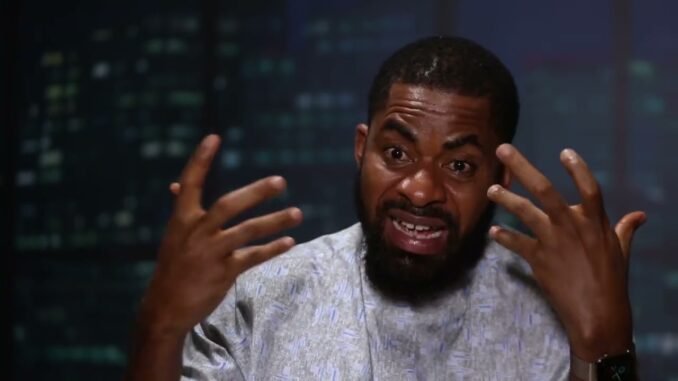
Popular Abuja-based lawyer and social activist, Deji Adeyanju, has voiced strong opposition to the government’s handling of these so-called repentant terrorists. According to Adeyanju, the current approach of forgiving and reintegrating insurgents without proper accountability will never bring an end to the insecurity plaguing Nigeria.
“Insecurity can never end in Nigeria with government forgiving terrorists,” Adeyanju stated, expressing frustration that has resonated with many Nigerians who have lost loved ones to Boko Haram’s brutal attacks.
The Controversy of Rehabilitation Without Justice
The video has reignited the contentious debate about Nigeria’s deradicalization program for Boko Haram fighters. While the Federal Government, through Operation Safe Corridor, has maintained that rehabilitating repentant insurgents is key to ending the insurgency in the North East, many Nigerians remain deeply skeptical.
Critics argue that:
– Victims are forgotten: Families who have lost loved ones, homes, and livelihoods to Boko Haram attacks feel betrayed when their attackers receive what they perceive as preferential treatment
– Justice is not served: Simply swearing on the Quran does not constitute proper accountability for murder, kidnapping, and other atrocities
– It encourages terrorism: The perception that terrorists can commit heinous crimes and later be “forgiven” may embolden future insurgents
– Security risks remain: There are legitimate concerns about whether these individuals are truly reformed or still pose threats to communities
Mixed Reactions from Nigerians
Social media has been awash with divided opinions. While some Nigerians support giving repentant insurgents a second chance in line with Islamic principles of forgiveness and rehabilitation, others insist that justice must be served first.
“What about the thousands of innocent Nigerians they killed? What about the Chibok girls? What about the displaced communities? Do they just get to walk free after swearing?” one Twitter user questioned.
Another commenter noted, “This same approach has been tried before, and some of these ‘repentant’ terrorists went back to the bush. We’re not learning from our mistakes.”
The Bigger Picture: Nigeria’s Security Challenges
Deji Adeyanju’s criticism touches on a broader concern about Nigeria’s approach to tackling insecurity. Beyond Boko Haram, the country faces multiple security threats including banditry, kidnapping, herder-farmer conflicts, and separatist agitations.
Many security experts and concerned Nigerians believe that the government’s soft approach to handling perpetrators of violence has contributed to the escalation of insecurity across the nation.
The question remains: Can true peace be achieved without justice?
What Should Be Done?
While opinions differ, several alternatives have been proposed:
1. Proper prosecution: Subject repentant terrorists to due legal process to account for their crimes
2. Community justice: Involve affected communities in the reconciliation and reintegration process
3. Stringent monitoring: Implement robust tracking and monitoring systems for those released
4. Compensation for victims: Prioritize reparations and support for victims of terrorism
5. Transparent processes: Make the selection criteria for “repentance” public and accountable
Conclusion
As the video of over 3,000 repentant Boko Haram members continues to generate controversy, Deji Adeyanju’s statement reflects the frustration of millions of Nigerians who believe that forgiveness without accountability is not the path to lasting peace.
The fundamental question remains: How can Nigeria balance the need for peace-building and rehabilitation with the demands of justice for victims and deterrence for potential future terrorists?
Until this question is adequately addressed, the debate over Nigeria’s approach to handling repentant insurgents will continue to divide public opinion.
What do you think? Should repentant terrorists be forgiven and reintegrated, or should they face full prosecution? Share your thoughts in the comments below.
Visit buzzUp9ja for more details
Be the first to comment