
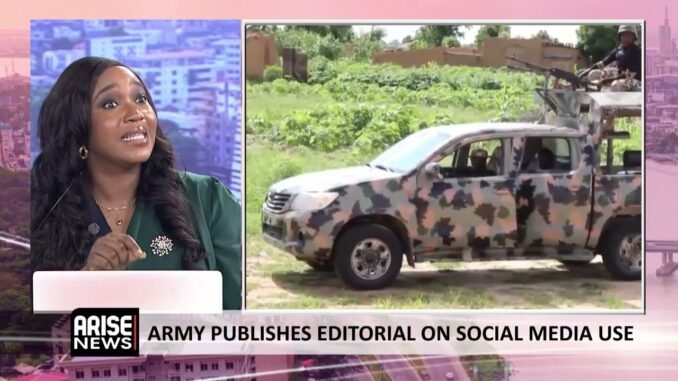

The Nigerian Defence Headquarters has come out to justify the controversial arrest of popular social media influencer Justice Mark Chidiebere, better known as Justice Crack, stating that his actions went far beyond simply voicing concerns about military welfare.
According to military authorities, Justice Crack didn’t just amplify complaints from soldiers – he actively encouraged service members to question the legitimacy of their commanders, a move the Defence Headquarters describes as dangerous to national security and military discipline.
Why Was Justice Crack Arrested?
The Defence Headquarters made it clear that the influencer’s arrest was not an attack on freedom of speech but rather a necessary step to protect the integrity of Nigeria’s armed forces. Military officials argue that his online activities crossed the line from advocacy into incitement, potentially undermining the chain of command that is crucial to military operations.
“He did not merely amplify complaints from soldiers; he actively urged soldiers to question their commanders’ legitimacy,” a statement from the Defence Headquarters revealed. This distinction, according to military authorities, is what separates legitimate criticism from actions that could destabilize military operations and threaten national security.
The Growing Tension Between Social Media Activism and Military Authority
Justice Crack’s arrest has sparked heated debate across Nigerian social media, with many citizens divided on whether his actions constituted legitimate advocacy or dangerous incitement. The influencer had built a significant following by highlighting issues affecting Nigerian soldiers, including welfare concerns, equipment shortages, and other challenges facing troops on the frontlines.
However, the military maintains that there are proper channels for addressing grievances within the armed forces, and that publicly encouraging soldiers to defy their superiors could have catastrophic consequences, especially during a time when Nigeria faces multiple security challenges including insurgency, banditry, and separatist agitations.
What This Means for Freedom of Expression in Nigeria
The case raises important questions about the boundaries of free speech when it intersects with military matters and national security. While many Nigerians support transparency and accountability in all government institutions including the military, others worry about the potential consequences of undermining military discipline during critical security operations.
The Defence Headquarters has assured Nigerians that Justice Crack will be treated fairly and that the investigation will follow due process. They emphasized that the military remains committed to the welfare of its personnel while also maintaining that discipline and respect for the chain of command are non-negotiable.
As this case unfolds, it continues to generate conversations about the role of social media influencers in holding institutions accountable and where the line should be drawn between criticism and incitement.
What do you think? Should influencers be able to freely criticize military leadership, or are there limits when national security is involved? Share your thoughts in the comments.
For more information, check buzzUp9ja
Be the first to comment