
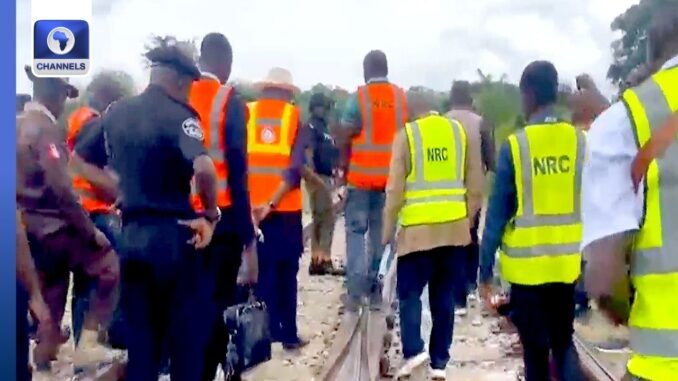

A tragic railway incident claims more lives as authorities continue investigation
The Federal Ministry of Transportation and the Nigerian Railway Corporation (NRC) confirmed on Wednesday, June 10, that the death toll from the devastating Warri–Itakpe train accident has climbed to five people.
Growing Casualty Figure Raises Safety Concerns
What initially appeared as a manageable incident has turned into a significant tragedy for families across the Delta and Kogi states corridor. The rising number of fatalities has sparked fresh questions about railway safety standards on one of Nigeria’s most recently rehabilitated rail lines.
The Warri–Itakpe railway, which was commissioned with much fanfare as part of efforts to revitalize Nigeria’s rail transportation system, now finds itself at the center of a safety debate following this unfortunate incident.
Official Response and Investigation
Both the Federal Ministry of Transportation and the Nigerian Railway Corporation have acknowledged the gravity of the situation. While specific details about the cause of the accident remain under investigation, the increasing death toll has prompted calls for immediate action to prevent similar occurrences in the future.
The NRC has historically positioned itself as committed to passenger safety, but incidents like this test the resilience of Nigeria’s railway infrastructure and emergency response systems.
The Warri-Itakpe Rail Line: A Brief Background
The Warri–Itakpe standard gauge railway line represents one of Nigeria’s longest-running rail projects, spanning over three decades from conception to completion. The 326-kilometer line connects Warri in Delta State to Itakpe in Kogi State, passing through several communities and serving as a vital transportation link for both passengers and cargo.
When fully operational, the line was expected to ease transportation challenges in the region while boosting economic activities along its corridor.
What Happens Next?
As investigations continue, affected families await answers while transportation authorities work to restore confidence in the rail system. The incident serves as a sobering reminder of the importance of continuous safety audits, proper maintenance, and strict adherence to operational protocols in Nigeria’s transportation sector.
Our thoughts remain with the families of the deceased and all those affected by this tragic accident.
This is a developing story. More details will be provided as they become available.
Get more updates on buzzUp9ja
Be the first to comment