
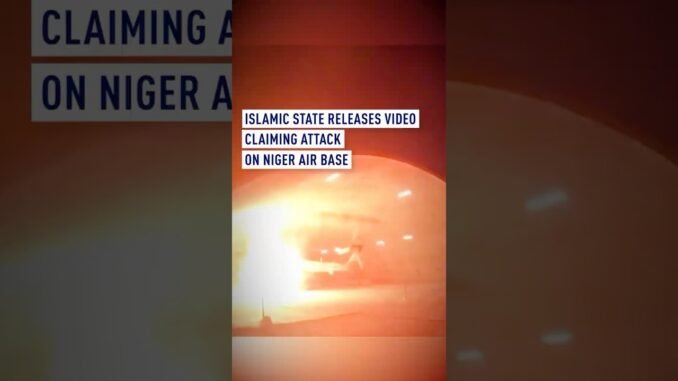

The deadly attacks have sent shockwaves across West Africa, reigniting fears over the rapid spread of jihadist violence in the Sahel region
At least 38 Nigerien soldiers have been killed in two separate coordinated attacks carried out by suspected Islamic State fighters on military bases in Niger — and the grim development is once again shining a harsh spotlight on the worsening security crisis sweeping across West Africa and the broader Sahel region.
What Happened?
Suspected militants linked to the Islamic State launched back-to-back assaults on two military positions in Niger, overwhelming the soldiers stationed there. The attacks, which appeared to be carefully planned and executed, resulted in the deaths of no fewer than 38 military personnel — a devastating blow to a country already struggling to contain the tide of jihadist insurgency.
Details surrounding the exact locations and the precise timeline of the attacks remain limited, but what is clear is that the scale of the assault signals a bold and dangerous escalation by extremist groups operating in the region.
Why This Should Concern Every Nigerian
For many Nigerians, what happens in Niger might feel like a distant problem — but make no mistake, this is very much a matter that hits close to home.
Niger shares a significant border with Nigeria’s northwestern states, including Sokoto, Kebbi, and Zamfara — areas that have themselves battled serious security challenges in recent years. The Islamic State West Africa Province (ISWAP), which has long been a thorn in Nigeria’s flesh in the Lake Chad Basin, shares ideological ties and, in some cases, operational links with the broader Islamic State network terrorising the Sahel.
Simply put, instability in Niger has a way of spilling across borders — and Nigeria cannot afford to look the other way.
The Bigger Picture: A Region Under Siege
Niger is not alone in its suffering. The Sahel — that vast stretch of land running across sub-Saharan Africa — has become one of the most dangerous regions on earth in recent years. Countries like Mali, Burkina Faso, and Chad have all been rocked by relentless jihadist violence, military coups, and the collapse of civilian governance structures.
Ironically, Niger itself experienced a military coup in July 2023, after which the new junta expelled French and American troops who had been assisting with counterterrorism efforts. Critics warned at the time that withdrawing these forces would create a dangerous vacuum — and events like this latest attack suggest those warnings were not unfounded.
With Western military presence reduced and traditional security partnerships weakened, extremist groups appear to be growing bolder and more aggressive in their operations.
The Human Cost
Behind the statistics are real human beings — fathers, sons, brothers, and husbands who answered the call to defend their nation and paid the ultimate price. Thirty-eight families in Niger are today mourning loved ones who will never come home. That is a grief that transcends borders and speaks to the shared humanity of every African.
What Happens Next?
The attacks are expected to intensify pressure on Niger’s military government to reassess its security strategy. There are also growing calls within regional bodies like ECOWAS and the African Union for a more unified and coordinated response to the jihadist threat in the Sahel — though political tensions, particularly following the wave of coups in the region, have made such cooperation increasingly difficult.
For Nigeria, this is yet another reminder that the battle against terrorism and extremism is not one that can be won in isolation. Strong regional intelligence sharing, border security, and diplomatic engagement remain more critical than ever.
The situation in Niger continues to develop. Stay with us for updates as more details emerge.
Check for more updates on buzzUp9ja
Be the first to comment