
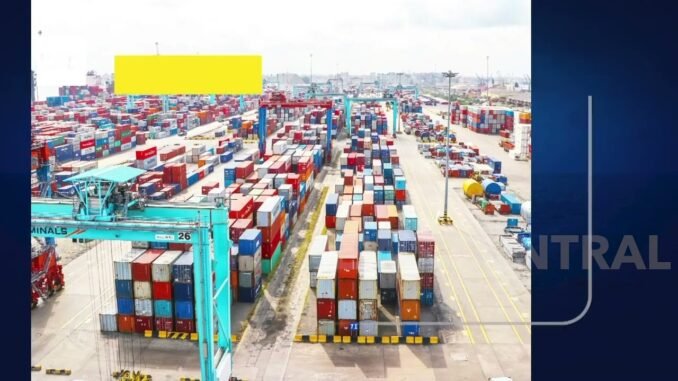

Summary: Nigeria’s Apapa and Tin Can Island ports have achieved global recognition, ranking among the world’s 20 most improved ports in the World Bank’s 2025 Container Port Performance Index. Find out what this means for Nigerian trade and economy.
In a development that signals positive momentum for Nigeria’s maritime sector, the World Bank has officially recognized two of the country’s busiest seaports—Apapa Port Complex and Tin Can Island Port Complex—as being among the 20 most improved ports globally. This recognition comes through the institution’s 2025 Container Port Performance Index (CPPI), released in June.
A Milestone Achievement for Nigerian Ports
This achievement represents a significant milestone for Nigeria’s port infrastructure and operational efficiency. Both ports, located in Lagos State, serve as critical gateways for international trade, handling a substantial portion of the country’s imports and exports.
The inclusion of Apapa and Tin Can Island ports in this prestigious global ranking demonstrates that ongoing reforms and modernization efforts in Nigeria’s maritime sector are yielding tangible results. For a nation heavily dependent on imports and seeking to boost export capacity, efficient port operations are not just convenient—they’re essential for economic growth.
What the Container Port Performance Index Measures
The World Bank’s Container Port Performance Index evaluates ports based on several key performance indicators, including:
– Ship turnaround time: How quickly vessels are loaded, unloaded, and dispatched
– Operational efficiency: The overall effectiveness of port operations
– Cargo handling speed: The time taken to move containers from ships to shore and vice versa
– Infrastructure quality: The state of port facilities and equipment
Being recognized for improvement in these areas suggests that both Apapa and Tin Can Island ports have made significant strides in addressing the bottlenecks and inefficiencies that have historically plagued Nigerian ports.
Implications for Nigerian Businesses and Economy
This recognition carries substantial implications for various stakeholders:
For Importers and Exporters
Improved port performance means:
– Reduced cargo dwell time
– Lower demurrage charges
– Faster clearance of goods
– More predictable delivery schedules
– Reduced cost of doing business
For the Nigerian Economy
Efficient ports contribute to:
– Enhanced trade competitiveness
– Attraction of foreign investment
– Job creation within the maritime sector
– Increased government revenue from port operations
– Better integration into global supply chains
For Consumers
Ultimately, port efficiency translates to:
– Potentially lower prices for imported goods
– Improved availability of products
– Reduced business costs passed down the supply chain
The Journey to Improvement
The recognition didn’t happen overnight. Several factors have contributed to the improved performance of these ports:
Infrastructure Upgrades: Investments in modern cargo handling equipment, expanded terminal facilities, and improved access roads have enhanced operational capacity.
Policy Reforms: Government initiatives aimed at streamlining customs procedures and reducing bureaucratic bottlenecks have facilitated smoother port operations.
Private Sector Participation: The involvement of private terminal operators has introduced competition and efficiency-driven management practices.
Technology Integration: The adoption of digital platforms for cargo tracking, documentation, and payments has reduced processing times and improved transparency.
Challenges That Remain
Despite this positive development, stakeholders in Nigeria’s maritime sector acknowledge that challenges persist:
– Traffic Congestion: The notorious traffic gridlock around Apapa remains a significant concern, affecting the movement of goods to and from the port
– Infrastructure Gaps: While improvements have been made, there’s still room for further modernization
– Multiple Agency Involvement: Coordination among various government agencies operating at the ports needs continued refinement
– Security Concerns: Ensuring the safety of cargo and personnel remains an ongoing priority
What This Means Going Forward
This World Bank recognition should serve as both validation and motivation. It confirms that the path Nigeria has chosen for port reform is correct, while also highlighting the need for sustained effort and investment.
For the Nigerian government, this achievement underscores the importance of continued investment in maritime infrastructure and policy reforms that facilitate trade. For port operators and terminal managers, it’s a call to maintain momentum and pursue further improvements.
For businesses operating in Nigeria, this development offers hope for reduced operational costs and improved supply chain reliability—factors that directly impact competitiveness and profitability.
Regional Competition and Positioning
In the West African context, where ports in Ghana, Togo, and Benin Republic compete for regional cargo traffic, the improved performance of Nigerian ports is strategically significant. It positions Nigeria to reclaim cargo that may have been diverted to neighboring countries due to previous inefficiencies.
The Bottom Line
The World Bank’s recognition of Apapa and Tin Can Island ports among the world’s 20 most improved ports is more than just a ranking—it’s a testament to progress in a sector critical to Nigeria’s economic wellbeing. As the country continues its journey toward economic diversification and enhanced global trade participation, efficient ports will remain a cornerstone of success.
This achievement should inspire confidence among investors, traders, and policymakers that with sustained commitment to reform and modernization, Nigeria’s maritime sector can compete favorably on the global stage. The challenge now is to build on this momentum, address remaining obstacles, and ensure that improvements translate into lasting benefits for the Nigerian economy and its people.
As Nigeria continues to position itself as Africa’s largest economy, the efficiency of its ports will play an increasingly vital role in determining its success in international trade and economic development.
Check buzzUp9ja for more details
Be the first to comment