
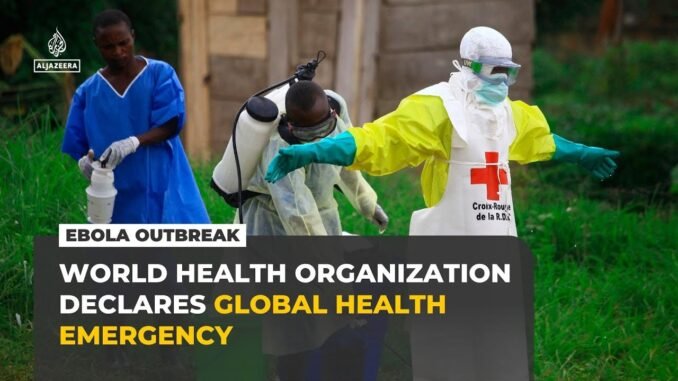

The World Health Organization (WHO) has officially declared the Ebola outbreak currently ravaging the Democratic Republic of Congo (DRC) and neighboring Uganda as a public health emergency of international concern (PHEIC). This declaration represents the highest level of alarm the global health body can issue, signaling the severity of the situation in our Central African region.
What This Means for West Africa and Nigeria
The declaration comes after confirmed cases of the deadly virus crossed borders from DRC into Uganda, raising fears about the potential for wider spread across the African continent. For Nigerians, this development brings back memories of the 2014 Ebola outbreak that reached our shores through a Liberian-American diplomat who arrived at Lagos airport.
The WHO’s decision to escalate the outbreak to emergency status means that international resources, funding, and medical expertise will now be mobilized more rapidly to contain the disease before it spreads further. This is particularly crucial for countries like Nigeria that maintain active trade and travel connections with Central and East African nations.
Understanding the Current Outbreak
The current Ebola outbreak in DRC has already claimed numerous lives, with health workers struggling to contain the virus in conflict-affected areas where access to communities is difficult. The situation became more critical when cases were confirmed in Uganda, proving that the disease had breached international borders.
Ebola is a severe, often fatal illness in humans, with symptoms including fever, severe headache, muscle pain, weakness, fatigue, and later stages bringing vomiting, diarrhea, and in some cases, internal and external bleeding. The virus spreads through direct contact with blood or body fluids of infected people or animals.
Nigeria’s Preparedness
Nigerian health authorities have consistently demonstrated their capacity to respond to disease outbreaks. Our successful containment of the 2014 Ebola outbreak, which was praised internationally, showed that with proper coordination, training, and public awareness, we can prevent widespread transmission.
The Nigeria Centre for Disease Control (NCDC) maintains surveillance systems at our airports, seaports, and land borders to screen travelers from affected countries. However, the WHO’s emergency declaration means these measures will likely be intensified.
What Nigerians Should Know
While there is currently no confirmed case of Ebola in Nigeria, vigilance remains essential. Here’s what you should keep in mind:
Stay Informed: Follow updates from credible sources like the NCDC and WHO, not rumors on social media.
Practice Good Hygiene: Regular handwashing with soap and water remains one of the most effective preventive measures against many diseases, including Ebola.
Avoid Bushmeat: The consumption of bushmeat, particularly bats and primates, has been linked to Ebola transmission. Consider alternatives during this period.
Report Symptoms Early: If you or anyone you know develops symptoms after traveling from affected areas, contact health authorities immediately.
Support, Don’t Stigmatize: Remember that Ebola is not spread through casual contact. Those affected or suspected need medical help, not discrimination.
Regional Implications
The declaration of a public health emergency also has economic implications for the affected countries and the broader region. Travel advisories, trade restrictions, and tourism impacts can affect economies already struggling with various challenges.
For Nigeria, maintaining open communication with international health bodies and neighboring countries will be crucial. Our position as West Africa’s largest economy means we have both the responsibility and capacity to support regional preparedness efforts.
Moving Forward
The WHO’s emergency declaration is not meant to cause panic but to ensure adequate resources and international attention are directed toward containing the outbreak. History has shown that Ebola, while deadly, can be contained with proper medical intervention, community engagement, and adherence to safety protocols.
As Nigerians, our experience with successfully managing the 2014 outbreak should give us confidence in our health system’s ability to respond effectively should the need arise. However, that confidence must be matched with continued vigilance, support for our health workers, and commitment to following expert guidance.
The global health community is now fully mobilized to support DRC and Uganda in bringing this outbreak under control. With coordinated efforts and public cooperation, there is every reason to believe that this emergency can be contained before it spreads further across our continent.
Stay updated on health alerts by following the Nigeria Centre for Disease Control (NCDC) on their official channels and the WHO Africa regional office for the latest information on the Ebola outbreak.
Stay tuned for more details on buzzUp9ja
Be the first to comment