
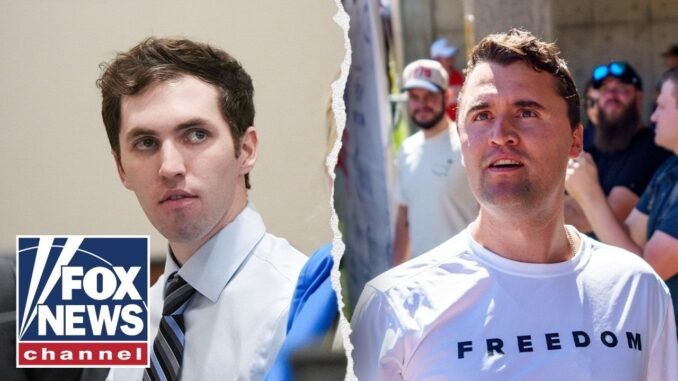

A contempt decision that could determine whether prosecutors can seek the death penalty has been delayed in the murder trial of the man accused of killing Charlie Kirk
In a dramatic turn of events that has captured national attention, a Utah judge has delayed making a crucial decision that could reshape the entire trajectory of one of America’s most closely watched murder trials.
The case centers on the brutal killing of Charlie Kirk, and the judge must now determine whether prosecutors violated court orders regarding pretrial publicity. This seemingly procedural matter carries enormous weight—the ruling could potentially eliminate the death penalty as a sentencing option.
What’s at Stake?
The judge is weighing whether to hold prosecutors in contempt for allegedly breaching a pretrial publicity order. Such orders are designed to ensure defendants receive fair trials by limiting what information reaches potential jurors through media coverage.
If the court finds prosecutors violated these restrictions, the consequences could be severe. Legal experts suggest that sanctions might include removing the death penalty from consideration—a game-changing development in a capital murder case.
Understanding Pretrial Publicity Orders
For Nigerians following this case, it’s important to understand how American courts handle high-profile trials. Pretrial publicity orders function similarly to sub judice rules familiar in Nigerian law, preventing parties from making public statements that could prejudice a fair hearing.
These restrictions become especially critical in death penalty cases, where the stakes couldn’t be higher. American courts take jury impartiality extremely seriously, as the Constitution guarantees every defendant the right to a fair trial before an unbiased jury.
Why This Delay Matters
The postponement itself signals the complexity and sensitivity of the issues at hand. Judges rarely delay such decisions unless they require careful consideration of competing interests: ensuring justice for victims while protecting defendants’ constitutional rights.
This case highlights the delicate balance American courts must strike between:
– The public’s right to information
– The media’s freedom to report
– The defendant’s right to a fair trial
– The prosecution’s duty to seek justice
Broader Implications
This situation resonates beyond Utah’s borders. High-profile criminal cases worldwide face similar challenges in the social media age, where information spreads instantly and controlling publicity becomes nearly impossible.
Nigerian legal practitioners watching this case will recognize parallel challenges in their own jurisdiction, where sensational cases often generate intense media attention that can complicate proceedings.
What Happens Next?
The court will eventually rule on the contempt allegations. Depending on that decision, the case could proceed toward trial with or without the death penalty on the table—a distinction that fundamentally alters plea negotiations, trial strategy, and potential outcomes.
Legal observers continue monitoring developments closely, as this ruling may set important precedents for managing high-stakes criminal prosecutions in the public eye.
This story continues to develop. The intersection of media coverage, legal procedure, and capital punishment makes this case particularly significant for anyone interested in how justice systems navigate modern challenges.
For more details, visit buzzUp9ja
Be the first to comment