
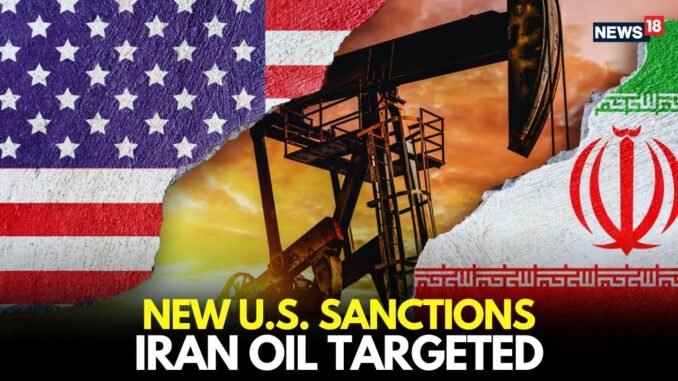

The United States has rolled out a fresh wave of sanctions targeting Iran’s oil sector, ramping up economic pressure on Tehran as tensions reach fever pitch over the continued closure of the Strait of Hormuz—one of the world’s most critical oil shipping routes.
The announcement from the US Department of the Treasury signals Washington’s determination to squeeze Iran’s primary revenue source, even as the Persian Gulf nation maintains its hardline stance on the strategic waterway that handles roughly one-fifth of global oil traffic.
Why This Matters to Nigeria
For Nigeria, Africa’s largest oil producer, these developments carry significant weight. Any disruption to global oil supply routes typically sends crude prices soaring—a double-edged sword for our economy. While higher prices could boost government revenue from oil exports, they also mean increased fuel costs for everyday Nigerians already grappling with petrol price fluctuations.
The Strait of Hormuz serves as the jugular vein of global energy trade, connecting oil-rich Gulf states to international markets. Iran’s decision to block this narrow passage has sent shockwaves through commodity markets worldwide, and the US response indicates this standoff is far from over.
The Sanctions Package
While specific details of the new measures are still emerging, the US Treasury Department has historically targeted Iran’s oil infrastructure, shipping networks, and financial institutions that facilitate petroleum transactions. These sanctions typically prohibit American companies from doing business with designated Iranian entities and threaten secondary sanctions on foreign firms that continue trading with Tehran.
Regional and Global Implications
The escalating confrontation between Washington and Tehran threatens to destabilize an already volatile Middle East. Oil market analysts are watching closely, as prolonged closure of the Strait of Hormuz could force tankers to take much longer alternative routes, driving up shipping costs and ultimately consumer prices at the pump.
For oil-dependent economies like Nigeria’s, monitoring these geopolitical chess moves remains crucial as they ripple through international energy markets and potentially affect our own crude oil export capabilities and pricing.
As this situation continues to unfold, Nigerian businesses and consumers should brace for potential impacts on fuel prices and the naira’s exchange rate, both of which remain sensitive to global oil market volatility.
Stay tuned for updates as this story develops.
Check buzzUp9ja for more information
Be the first to comment