
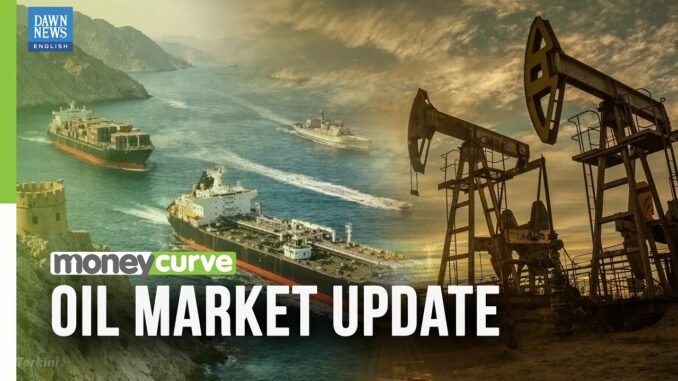

Summary: Oil prices have tumbled to their lowest point since the US-Iran conflict began. Find out what this means for Nigeria’s economy, fuel prices, and your pocket.
The global oil market experienced a dramatic shake-up on Thursday, June 18, as crude prices plunged to levels not seen since the United States and Iran first locked horns. This significant drop comes on the heels of a breakthrough interim agreement between the two nations, signaling a potential thaw in one of the world’s most volatile geopolitical flashpoints.
What’s Behind the Price Collapse?
The sharp decline in oil prices reflects growing optimism in international markets that tensions between Washington and Tehran may finally be cooling off. When these two powerhouses appeared headed for confrontation, oil prices had surged as traders feared supply disruptions from the Middle East – a region that pumps a significant portion of the world’s crude oil.
Now, with diplomatic channels reopening and an interim deal on the table, that fear premium has evaporated faster than harmattan dew.
Why Nigerians Should Pay Attention
For a nation like Nigeria, where oil revenues account for a substantial chunk of government income and foreign exchange earnings, this development carries serious implications. Lower oil prices mean:
– Reduced government revenue for infrastructure, healthcare, and education
– Pressure on the naira as dollar inflows from oil exports decrease
– Potential budget shortfalls that could affect public sector salaries and projects
However, it’s not all bad news. If the price drop translates to lower costs at the pump, Nigerian motorists and transport operators could see some relief from the high fuel prices that have plagued the country.
The Bigger Picture
This oil price movement reminds us once again how vulnerable Nigeria’s economy remains to global oil market fluctuations. As the world increasingly shifts toward renewable energy and electric vehicles, our dependence on crude oil exports becomes more precarious by the day.
The question many economists are asking is: Will this price drop be temporary, or are we witnessing a longer-term trend that requires Nigeria to urgently diversify its economy?
What Happens Next?
Market analysts will be watching closely to see if the US-Iran agreement holds and whether other OPEC+ nations adjust their production levels in response to falling prices. For Nigeria, the challenge remains balancing the books while exploring alternative revenue sources beyond oil.
One thing is certain – the days of relying solely on black gold may be numbered, and smart planning today will determine Nigeria’s economic stability tomorrow.
Stay tuned for more updates on how global oil price movements affect the Nigerian economy and your daily life.
For more information, check buzzUp9ja
Be the first to comment