
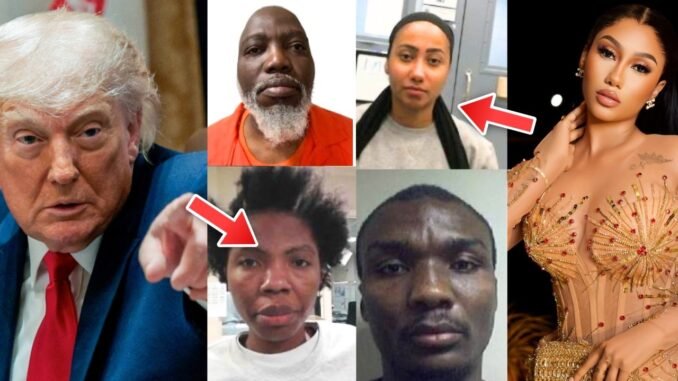

Summary: Ghanaian socialite Hajia4Real lands on US ICE’s most dangerous criminals list. Find out what led to her inclusion and what it means for West African celebrities.
The glitz and glamour of social media fame can sometimes hide a darker reality. Mona Faiz Montrage, the Ghanaian socialite and musician better known as Hajia4Real, has been placed on the United States Immigration and Customs Enforcement (ICE) “Worst of the Worst” criminal list—a designation reserved for the most dangerous offenders in American custody.
From Instagram Celebrity to Federal Criminal List
For those who follow West African entertainment and lifestyle influencers, Hajia4Real was once a household name. With her luxurious lifestyle, designer outfits, and millions of social media followers, she represented the aspirational life many young Africans dream about. But behind the Instagram filters and exotic vacations was allegedly something far more sinister.
The “Worst of the Worst” list is not something ICE publishes lightly. It features individuals involved in serious criminal activities ranging from human trafficking and drug smuggling to violent crimes and large-scale fraud. Being named on this list puts Hajia4Real in the company of some of America’s most wanted criminals.
The Romance Scam That Shook America
According to US authorities, Hajia4Real was involved in an elaborate romance scam operation that defrauded vulnerable Americans of millions of dollars. These weren’t small-time hustles—we’re talking about a sophisticated network that targeted lonely hearts, primarily older Americans seeking companionship online.
The scheme worked like many “Yahoo Yahoo” operations familiar to Nigerians: build fake romantic relationships online, gain trust over time, then fabricate emergencies requiring urgent financial assistance. The difference? The scale was massive, and Hajia4Real allegedly played a central role in receiving and laundering the stolen funds.
Reports suggest that victims lost substantial amounts—some their entire life savings—to these scams. For context, this is similar to the romance fraud cases we’ve seen affect Nigerians, but on an international scale that attracted serious federal attention.
Why This Matters to Nigerians
While Hajia4Real is Ghanaian, her case resonates strongly across West Africa, especially in Nigeria where internet fraud has unfortunately become associated with the region in global media. Here’s why we should pay attention:
1. It Affects All of Us
When high-profile cases like this make international headlines, they reinforce negative stereotypes about West Africans. Legitimate Nigerian businesspeople, students abroad, and diaspora professionals often face increased scrutiny and suspicion because of these associations.
2. The Consequences Are Real and Severe
The US justice system doesn’t play when it comes to financial crimes. If convicted, Hajia4Real faces potentially decades in federal prison. This isn’t a Lagos court where cases can drag on indefinitely—American federal prosecutors have a conviction rate of over 90%.
3. Social Media Lifestyle Isn’t Worth It
Many young Nigerians and Ghanaians are under pressure to “shine” on social media, to show they’ve “made it.” Hajia4Real’s case is a stark reminder that the source of that wealth matters. The champagne lifestyle can quickly turn into prison jumpsuits.
The Bigger Picture: Internet Fraud and West Africa’s Image
It’s important to state clearly: the vast majority of Nigerians and West Africans are hardworking, honest people trying to build legitimate lives. However, cases like Hajia4Real’s give ammunition to those who want to paint the entire region with a broad brush.
The Nigerian government has been working to combat internet fraud through agencies like the EFCC (Economic and Financial Crimes Commission), and there have been notable successes. But when a celebrity with millions of followers ends up on America’s most wanted list, it sets back those efforts.
Lessons for Young Africans Chasing Success
Get Rich Quick Schemes Always Have Consequences: Whether it’s romance scams, advance fee fraud, or any other illegal activity, the temporary gains aren’t worth the permanent damage to your life and reputation.
Build Something Real: Nigeria and Ghana are full of opportunities for legitimate business. From tech startups to agriculture, entertainment to manufacturing—there are countless ways to build real wealth.
Your Digital Footprint Follows You: In today’s connected world, what you do online doesn’t stay hidden forever. Law enforcement agencies across countries now collaborate, and eventually, fraudsters get caught.
Protect Your Reputation: Once you’re tagged as a criminal—especially on an international list like ICE’s “Worst of the Worst”—that label sticks. It affects travel, employment, business opportunities, and every aspect of your life.
What Happens Next?
Hajia4Real’s inclusion on this notorious list means she’ll face maximum security detention and aggressive prosecution. The US government is sending a clear message: they will pursue financial criminals regardless of where they come from or how famous they are on social media.
For her fans and followers who admired her lifestyle, this serves as a wake-up call. The luxury cars, designer bags, and exotic trips were allegedly funded by defrauded victims—real people who lost their hard-earned money.
Final Thoughts
As Nigerians, we must continue to celebrate our legitimate success stories—the tech entrepreneurs, creative artists, sports stars, and business leaders who are building wealth the right way and enhancing our reputation globally.
At the same time, we must firmly reject and condemn all forms of fraud. It’s not “hustle,” it’s not “smart”—it’s crime that hurts real people and damages the reputation of millions of honest West Africans trying to make their way in the world.
Hajia4Real’s fall from Instagram celebrity to federal criminal list should serve as a cautionary tale: the only sustainable success is one built on legitimate foundations. Everything else is just a house of cards waiting to collapse.
What are your thoughts on this story? How can we as West Africans combat these negative stereotypes while holding wrongdoers accountable? Share your views in the comments below.
For more information, check buzzUp9ja
Be the first to comment