
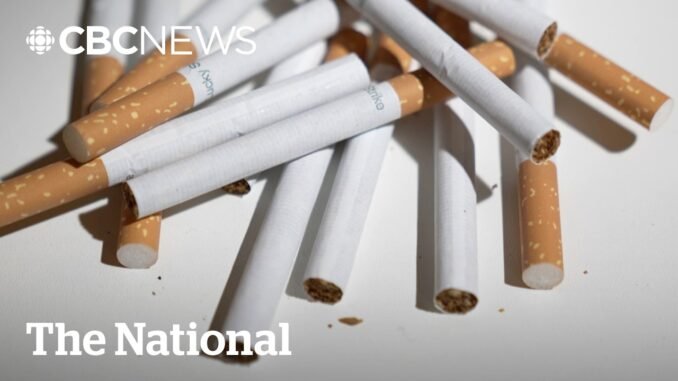

Summary: The United Kingdom has made history by banning cigarette sales to anyone born after January 2009, aiming to create a smoke-free generation. Here’s what this groundbreaking law means.
The United Kingdom has just taken one of the boldest steps in public health history. Both the House of Commons and the House of Lords have approved a groundbreaking law that will permanently ban cigarette sales to anyone currently aged 17 or younger. This means if you were born after January 2008, you will never be able to legally purchase cigarettes in the UK—not now, not when you’re 25, not even when you’re 50.
A Revolutionary Approach to Public Health
This isn’t your typical age restriction law. Unlike the usual “you must be 18 to buy” rule, this legislation creates what experts are calling a “generational ban.” Every year, the minimum age for purchasing tobacco will increase, effectively phasing out cigarette sales to future generations entirely.
Think about it this way: A 15-year-old in the UK today will still be unable to buy cigarettes when they turn 40. The goal? To create the UK’s first-ever smoke-free generation.
Why This Matters—Even in Nigeria
You might be wondering, “Why should we in Nigeria care about what the UK is doing?” Fair question. But this development has implications that reach far beyond British borders.
Nigeria currently has one of the fastest-growing tobacco markets in Africa. According to health experts, smoking-related diseases are becoming increasingly common in our hospitals, putting pressure on our already stretched healthcare system. The UK’s bold move shows that governments can take decisive action to protect future generations from tobacco addiction.
The Health and Economic Arguments
The statistics are sobering. Smoking remains one of the leading causes of preventable death worldwide, killing millions each year from cancer, heart disease, and respiratory illnesses. In the UK alone, smoking costs the National Health Service billions of pounds annually in treatment costs.
For Nigeria, where healthcare resources are precious, preventing the normalization of smoking among young people could save countless lives and billions of naira in future healthcare costs.
What Happens Next?
The UK law still needs Royal Assent (the King’s formal approval), which is typically a formality. Once enacted, retailers caught selling cigarettes to anyone from the banned generation will face hefty fines.
The legislation also includes measures to restrict vaping products and flavoured tobacco, recognizing that young people often start with these “gateway” products before moving to traditional cigarettes.
Could Nigeria Follow Suit?
While Nigeria already has tobacco control laws, including restrictions on advertising and designated smoking areas, enforcement remains patchy. Some health advocates are now asking whether Nigeria should consider similar generational bans.
The challenges would be significant. Nigeria’s informal economy means many cigarettes are sold in small kiosks and by street vendors, making enforcement difficult. There’s also the question of political will and competing priorities in our national agenda.
However, the UK’s move proves that ambitious tobacco control is possible. Other countries, including New Zealand, have already explored similar policies (though New Zealand recently reversed its planned ban following a change in government).
The Bigger Picture
This UK legislation represents a fundamental shift in how governments think about tobacco. Rather than just discouraging smoking through taxes and health warnings, they’re moving toward eliminating it entirely for future generations.
For young Nigerians, the message is clear: the global trend is moving away from smoking. What was once seen as cool or sophisticated is increasingly recognized as a deadly addiction that steals lives and drains resources.
Whether Nigeria will adopt similar measures remains to be seen. But one thing is certain—the conversation about tobacco control in Africa just got a whole lot more interesting.
What do you think? Should Nigeria consider a similar ban? Share your thoughts in the comments below.
Check buzzUp9ja for more updates
Be the first to comment