
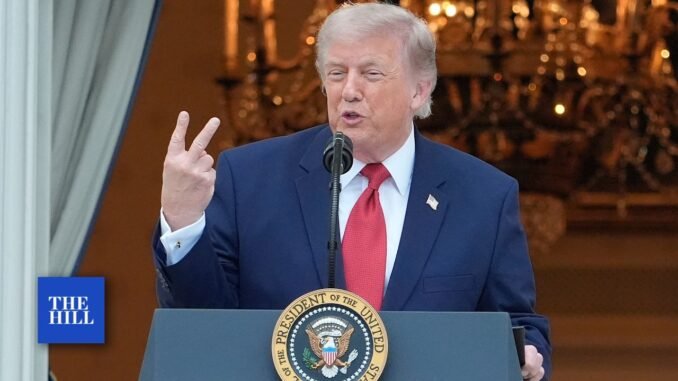

Summary: Donald Trump’s popularity hits rock bottom during his second term as Americans grapple with expensive petrol, economic pressures, and backlash from the Iran conflict. Here’s what Nigerians need to know.
For those of us in Nigeria who’ve been watching American politics closely—whether because of the naira-dollar exchange rate, visa policies, or just the sheer drama—there’s major news from across the Atlantic. Donald Trump, the former reality TV star turned US President (again), is facing serious wahala with American voters.
The Numbers Don’t Lie
Trump’s approval rating has dropped to its lowest point since he returned to the White House for his second term. This isn’t just small talk at the barbing salon—credible reports show that ordinary Americans are seriously vexed with their president.
The timing? It couldn’t be worse for Trump. Just as Nigerians know what it means when fuel prices suddenly jump (we’ve lived through enough subsidy removals to write a book), Americans are now feeling that same pinch at their petrol stations.
Fuel Prices: The Universal Pain Point
Whether you’re filling up your car in Lagos, Abuja, or Los Angeles, expensive fuel hits everyone the same way—straight in the pocket. American fuel prices have been climbing steadily, and citizens there are experiencing what many Nigerians have become unfortunately familiar with: that sinking feeling when you realize transport costs are eating into your food budget.
For Trump, this economic pressure is turning into a political nightmare. Americans who thought they were voting for economic prosperity are instead watching their dollars stretch thinner and thinner—much like what happens to our naira every other month.
The Iran War Factor
But it’s not just about petrol prices. Trump’s handling of military tensions with Iran has become a major source of controversy. The conflict has escalated in ways that many Americans didn’t sign up for, and the backlash is real.
Think about it from the American perspective: nobody wants their children sent to fight in another Middle Eastern war, especially when many are still dealing with the trauma and costs from previous conflicts in Iraq and Afghanistan.
The Iran situation is particularly sensitive because it affects global oil markets—which means it affects everyone, including Nigeria. When tensions rise in the Persian Gulf, oil prices worldwide react, and we all feel it at the pump.
Rising Living Costs: A Global Story
Beyond fuel, Americans are facing increased costs for basic necessities. Food prices are up. Housing is expensive. Healthcare bills are mounting. Sound familiar? These are challenges Nigerians understand deeply.
The difference is that Americans aren’t used to this level of economic squeeze. For many of them, this is a new and uncomfortable reality. For us, we’ve developed what you might call “economic endurance muscle” from years of practice.
Political Consequences
When a leader’s approval rating drops, it signals real trouble. In America’s system, low approval numbers can affect everything from passing laws to negotiating with other countries. It weakens a president’s political capital—his ability to get things done.
For Trump, this couldn’t come at a worse time. With various policy initiatives in the works and international relationships to manage, low public support makes everything harder.
What This Means for Nigeria
You might wonder: “Why should we Nigerians care about Trump’s approval ratings?” Fair question. Here’s why it matters:
1. Economic Ripples: American economic policies affect global markets, which affects the naira, our foreign reserves, and import costs.
2. Foreign Policy: A weakened US president might mean changes in America’s approach to Africa, including aid programs, trade deals, and diaspora policies.
3. Oil Markets: Iran tensions directly impact global oil prices. As an oil-producing nation, Nigeria should pay attention to anything affecting crude oil markets.
4. Immigration Policies: For the millions of Nigerians hoping to travel, study, or relocate to the US, presidential priorities matter.
The Bigger Picture
This situation in America shows something we all know too well: leaders are judged by their ability to deliver on basic needs. Whether you’re in Washington or Wuse, if citizens can’t afford transport and food prices are too high, frustration follows.
Trump came to power promising to “Make America Great Again” (again). But right now, many Americans feel like they’re just trying to make ends meet—a feeling countless Nigerians can relate to.
Looking Ahead
Political fortunes can change quickly. Trump has bounced back from low ratings before. But with economic pressures mounting and international conflicts simmering, he faces an uphill battle to regain public trust.
For Nigerians watching from home or living in the diaspora, this is a reminder that leadership challenges are universal. Whether it’s fuel subsidy in Lagos or petrol prices in Los Angeles, when citizens feel the economic squeeze, leaders feel the political heat.
As we continue to navigate our own challenges—from currency fluctuations to security concerns—perhaps there’s something instructive in seeing even the world’s most powerful nation grapple with problems that feel remarkably familiar to our own daily struggles.
The next few months will reveal whether Trump can reverse this trend or if his second term will be defined by these current crises. Either way, we’ll be watching—because in our interconnected world, what happens in Washington doesn’t stay in Washington.
Visit buzzUp9ja for more information
Be the first to comment