
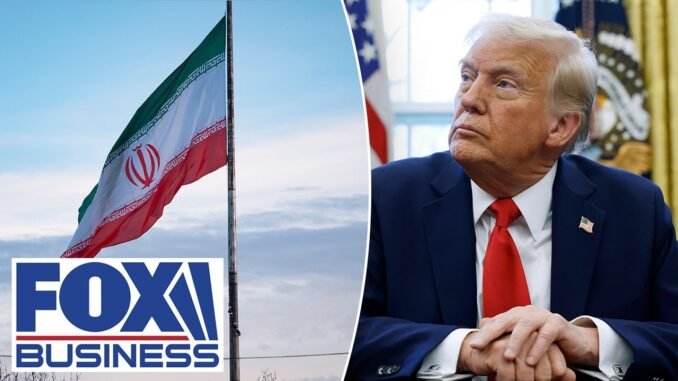

Summary: US President Donald Trump has revealed plans for a potentially unprecedented military strike on Iran. Here’s what you need to know and why it matters for Nigeria and the global economy.
As the world holds its breath, United States President Donald Trump has dropped a bombshell — he is seriously weighing the option of launching a military strike on Iran that would dwarf anything the world has seen before. This shocking revelation comes as the US military clocked its 12th consecutive day of strikes on Iranian targets, raising serious concerns about what could become one of the most destabilising conflicts in recent global history.
So, What Exactly Is Happening?
Trump has made it clear that he is not ruling out a massive, large-scale attack on Iran — one that would go far beyond the strikes already carried out. While details remain tightly guarded, the language coming out of Washington suggests that the United States is prepared to escalate significantly if diplomatic efforts continue to hit a wall.
For context, US forces have been striking Iranian-linked targets consistently over the past two weeks, but what Trump is now considering would reportedly be on an entirely different level.
Why Should Nigerians Care?
Ah, this is where it gets close to home. You might be wondering, “What has America and Iran’s wahala got to do with us here in Nigeria?” — and that is a very fair question. The answer, unfortunately, is plenty.
Here is why this matters directly to every Nigerian:
1. 🛢️ Oil Prices Will Feel the Heat
Nigeria is an oil-producing nation, and our economy is heavily tied to the price of crude oil on the global market. Iran is one of the world’s major oil producers, and any major military conflict in the Middle East — particularly one involving Iran — tends to send oil prices skyrocketing.
On the surface, higher oil prices might sound like good news for Nigeria’s revenue. But the reality is more complex. Supply chain disruptions, global economic uncertainty, and the ripple effects of war rarely translate into straightforward gains for developing economies like ours. The naira, already under serious pressure, could face even more turbulence.
2. ✈️ Global Travel and Trade Disruptions
The Strait of Hormuz — a critical waterway sitting right next to Iran — handles roughly 20% of the world’s oil supply. Any conflict that threatens this route could disrupt global trade in ways that affect everything from fuel costs in Lagos to the price of imported goods in Kano markets.
3. 💸 Foreign Investment Jitters
When global tensions rise, investors tend to pull back from emerging markets — and Nigeria sits squarely in that category. A major war in the Middle East could trigger capital flight and make it even harder for Nigeria to attract the foreign investment it desperately needs.
The Diplomatic Angle
Despite the war drums beating loudly, there are still voices calling for restraint. Diplomats and international bodies have urged both Washington and Tehran to return to the negotiating table. Iran, for its part, has not backed down from its own rhetoric, creating a standoff that many geopolitical analysts are describing as extremely dangerous.
The United Nations and several world leaders have called for de-escalation, but whether those calls will be heeded remains to be seen.
What Happens Next?
The situation is fluid and changing by the hour. Here is what to watch:
– Will Trump give the order for a larger strike? His history suggests he is not afraid to act boldly, even when the international community pushes back.
– How will Iran respond? Tehran has repeatedly promised severe consequences for any escalation.
– Will global oil markets spike? Keep a close eye on crude oil benchmarks — Brent Crude in particular — as they will be the first indicators of how markets are reacting.
The Bottom Line
Whether we like it or not, Nigeria does not exist in a bubble. What happens in Washington and Tehran sends shockwaves across the globe — and we feel those shockwaves right here on our streets, at our petrol stations, and in our markets.
As this situation develops, it is critical for Nigerians — from policymakers in Abuja to everyday hustlers in Lagos — to stay informed. The decisions being made thousands of kilometres away could very well determine the price of fuel, food, and foreign exchange right here at home.
We will continue to bring you updates as this story develops. Stay informed, stay prepared.
Share this article with your friends and family so more Nigerians can stay updated on this developing global crisis.
For more information, check buzzUp9ja
Be the first to comment