
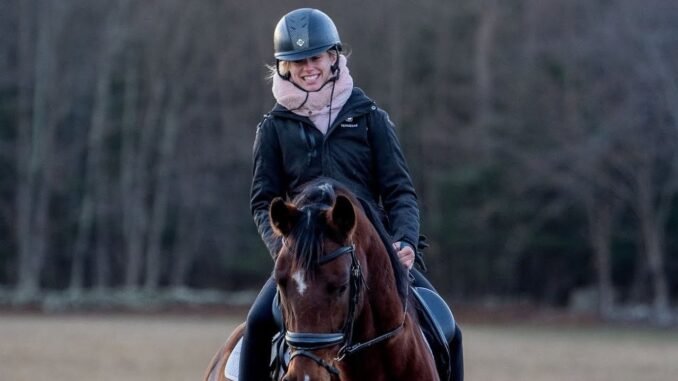

Summary: Massachusetts equestrian Chloe Christina Smith, 25, tragically lost her life when her show horse balked at a jump and fell on her. A heartbreaking reminder of the risks in equestrian sports.**
The equestrian community is mourning the tragic loss of a young, talented rider whose life was cut short in a devastating accident that has sent shockwaves through horse-riding circles worldwide.
Chloe Christina Smith, a 25-year-old accomplished equestrian from Massachusetts, United States, died following a horrific riding accident when her show horse suddenly refused to jump during what should have been a routine training session.
What Happened?
According to reports, the young rider was training with friends when the unthinkable occurred. As she approached a jump, her horse—an animal she had trained with and trusted—balked at the last moment, refusing to clear the obstacle.
The sudden stop threw Chloe from the saddle with tremendous force. In a tragic turn of events, the horse lost its balance and collapsed directly on top of her, causing catastrophic injuries.
Despite the immediate response from her companions and emergency services, Chloe succumbed to her injuries. The incident has left her family, friends, and the wider equestrian community devastated.
A Passion That Defined Her Life
Those who knew Chloe describe her as a passionate and dedicated rider who lived and breathed horses. Equestrian sports, though not as mainstream in Nigeria as football or athletics, require immense skill, courage, and an almost spiritual connection between rider and horse.
For Chloe, riding wasn’t just a hobby—it was her life’s calling. She had spent years perfecting her craft, competing in shows, and building relationships with the magnificent animals she loved so dearly.
The Hidden Dangers of Equestrian Sports
While horse riding may appear graceful and serene, it remains one of the most dangerous sports in the world. Riders face risks every time they mount a horse, regardless of their experience level or the horse’s training.
Horses are powerful animals, often weighing between 450 to 600 kilograms (1,000 to 1,300 pounds). When something goes wrong—whether the horse spooks, refuses a jump, or loses balance—the consequences can be severe or even fatal.
According to global sports injury data, equestrian activities result in higher injury rates per hour of exposure than motorcycle racing, skiing, or football. Head injuries, spinal damage, and crush injuries are among the most common serious outcomes.
Why Do Horses Refuse Jumps?
Understanding why a horse might suddenly refuse a jump is crucial for both safety and training. Several factors can cause this behavior:
Fear or Uncertainty: The horse may see something frightening near the jump or feel uncertain about the obstacle’s height or appearance.
Pain or Discomfort: Undetected injuries, poorly fitted saddles, or dental issues can cause a horse to refuse jumps.
Poor Training or Confusion: If a horse hasn’t been properly prepared for a particular jump or receives unclear signals from the rider, it may balk.
Fatigue: Overworked or tired horses are more likely to refuse jumps as a self-preservation instinct.
Previous Negative Experience: A horse that has been hurt during jumping may develop fear or resistance.
A Community in Mourning
The loss of Chloe Christina Smith has resonated far beyond Massachusetts. Tributes have poured in from equestrians around the world, sharing stories of her kindness, her skill, and her infectious love for horses.
Her death serves as a sobering reminder that even the most experienced riders face risks every time they enter the saddle. It also highlights the need for continued emphasis on safety equipment, proper training, and emergency preparedness at riding facilities.
Lessons for Riders Everywhere
While this tragedy occurred far from Nigerian shores, the lessons apply to equestrian enthusiasts everywhere, including the growing community of horse lovers in Nigeria’s polo clubs and riding schools in Lagos, Abuja, and Kaduna.
Always Wear Protective Gear: Helmets, body protectors, and proper footwear can be lifesaving.
Never Ride Alone: Having others present during training sessions can ensure quick response to emergencies.
Know Your Horse: Understanding your horse’s moods, health, and limitations is essential.
Regular Veterinary Checks: Ensure horses are healthy and pain-free before demanding athletic performance.
Proper Training: Both horse and rider should be adequately prepared for the level of activity being attempted.
Rest in Peace
Chloe Christina Smith’s death is a heartbreaking loss that reminds us of life’s fragility and the risks taken by those who pursue their passions with total commitment.
As her loved ones grieve and the equestrian community reflects on this tragedy, her memory will live on in the hearts of everyone who knew her and in the countless horses whose lives she touched with her care and dedication.
May her soul rest in perfect peace, and may her family find comfort during this impossibly difficult time.
This incident serves as a reminder to all athletes and sports enthusiasts that safety should always come first, no matter how experienced we become in our chosen disciplines.
Stay connected for more on buzzUp9ja
Be the first to comment