
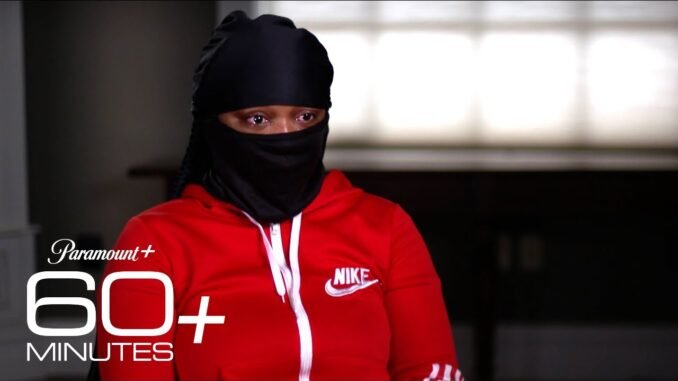

Summary: A 16-year-old girl named Chidinma reveals her harrowing experience of being trafficked from Imo State to Lagos and forced into prostitution. Her emotional testimony at Lagos Police Command exposes the dark reality of human trafficking in Nigeria.
The atmosphere at the Lagos State Police Command headquarters was charged with emotion on Monday, June 15, as a 16-year-old girl identified only as Chidinma broke down in tears while recounting her nightmare ordeal.
The teenager’s story has sent shockwaves through the community, highlighting the persistent menace of human trafficking that continues to plague Nigerian society, particularly affecting vulnerable young girls from rural communities.
From Hope to Horror: A Journey Gone Wrong
Chidinma’s tragic journey began in Imo State, where like many young Nigerians seeking better opportunities, she was lured with promises of a brighter future in Lagos. What she didn’t know was that she was being trafficked into a life of unimaginable suffering.
According to her tearful testimony at the police command, the young girl was drugged and forced to have sexual relations with approximately 30 men every single day. The revelation paints a disturbing picture of the exploitation and abuse that trafficking victims endure in silence.
The Dark Reality of Human Trafficking in Nigeria
Chidinma’s case is unfortunately not an isolated incident. Human trafficking, particularly for sexual exploitation, remains a significant problem in Nigeria. Young girls from economically disadvantaged backgrounds are often targeted by traffickers who exploit their desperation for education, employment, or a better life.
These criminal networks operate with disturbing efficiency, moving victims from rural areas like Imo State to urban centers such as Lagos, where they are forced into prostitution under threats, violence, and drug-induced compliance.
The Role of Drugs in Trafficking Operations
One of the most disturbing aspects of Chidinma’s testimony was the revelation that she was drugged to facilitate her exploitation. Traffickers commonly use substances to break down their victims’ resistance, making them more compliant and dependent on their captors.
This tactic not only ensures the victim’s cooperation but also creates psychological and physical dependency that makes escape even more difficult.
Signs of Human Trafficking to Watch Out For
Chidinma’s case serves as a wake-up call for parents, guardians, and community members to be vigilant. Here are warning signs that someone may be a trafficking victim:
– Sudden relocation with vague explanations
– Loss of contact with family and friends
– Signs of physical abuse or malnourishment
– Inability to speak freely or appearing coached
– Lack of personal identification documents
– Evidence of being controlled by another person
What the Lagos Police Are Doing
The Lagos State Police Command has taken Chidinma’s case seriously, with investigations currently underway to identify and apprehend the trafficking syndicate responsible for her ordeal.
Authorities are working to provide the teenager with necessary medical and psychological support while building a case against her traffickers.
How to Protect Your Children and Community
For Parents and Guardians:
1. Maintain open communication with your children about their plans and aspirations
2. Verify opportunities that seem too good to be true
3. Know who your children interact with, especially adults offering help or opportunities
4. Educate your children about the tactics traffickers use
5. Report suspicious activities to local authorities immediately
For Communities:
– Organize awareness programs about human trafficking
– Create support systems for vulnerable families
– Establish community watch programs
– Collaborate with law enforcement agencies
– Provide economic empowerment opportunities for young people
Where to Get Help
If you or someone you know is a victim of human trafficking, contact:
– National Agency for the Prohibition of Trafficking in Persons (NAPTIP): 0703 000 0203
– Lagos State Police Command
– Any nearby police station
Remember, victims of trafficking are not criminals — they need help, support, and protection.
A Call to Action
Chidinma’s courage in speaking out despite her trauma should inspire all Nigerians to take the fight against human trafficking seriously. This is not just a problem for law enforcement — it requires collective action from families, communities, religious organizations, and government agencies.
Every Nigerian has a role to play in identifying, preventing, and reporting suspected cases of human trafficking. The life you save could be that of a daughter, sister, niece, or neighbor.
As investigations continue into Chidinma’s case, one thing is clear: we must do better to protect our young people from the predators who would exploit their dreams for profit. The fight against human trafficking is far from over, but with increased awareness, vigilance, and action, we can create a safer Nigeria for all our children.
Let’s stand together against human trafficking. See something, say something. Your voice could save a life.
For more information, check buzzUp9ja
Be the first to comment