
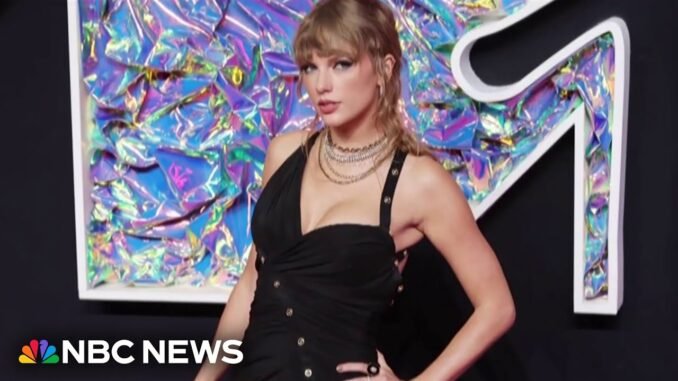

Summary: Global superstar Taylor Swift files trademark applications to safeguard her voice and likeness against artificial intelligence threats. Here’s what this means for artists worldwide.
In a move that highlights growing concerns about artificial intelligence in the entertainment industry, American music icon Taylor Swift has filed trademark applications with U.S. authorities to protect her voice and physical likeness from unauthorized AI exploitation.
The Grammy-winning singer, whose fanbase spans from Lagos to Abuja and beyond, is taking proactive legal measures to prevent her voice and image from being replicated or manipulated by artificial intelligence technology without her consent.
Why This Matters for Nigerian Entertainment
This development is particularly significant for the Nigerian entertainment scene, where our artists—from Burna Boy to Tiwa Savage—are gaining massive international recognition. As AI technology becomes more sophisticated and accessible, the threat of voice cloning and deepfake videos affects not just Hollywood stars but creators everywhere, including Nollywood actors and Afrobeats musicians.
The Growing AI Threat
Artificial intelligence tools can now recreate human voices with frightening accuracy after analyzing just a few minutes of audio. Deepfake technology can superimpose someone’s face onto another person’s body in videos, creating content that appears genuine but is entirely fabricated.
For artists like Taylor Swift, whose brand and reputation are worth millions of dollars, unauthorized AI-generated content could:
– Damage her public image through fake controversial statements
– Result in financial losses from unauthorized commercial use
– Mislead fans with fabricated content
– Undermine her artistic integrity
Setting a Legal Precedent
Swift’s trademark applications represent a forward-thinking approach to intellectual property rights in the digital age. By securing legal protection for her voice and likeness, she’s establishing a framework that other artists—including our own Nigerian superstars—might follow.
This is especially relevant as Nigerian artists continue to break global barriers. Imagine if someone used AI to create a fake Wizkid song promoting a fraudulent investment scheme, or a deepfake video of Genevieve Nnaji endorsing a harmful product. The potential for abuse is enormous.
What Nigerian Artists Can Learn
As our entertainment industry continues to grow and compete on the world stage, Nigerian artists and their management teams should take note:
1. Be Proactive: Don’t wait until your voice or image is misused before taking action
2. Understand Your Rights: Work with legal professionals who understand both local and international intellectual property law
3. Document Everything: Keep comprehensive records of your original work
4. Monitor Online Presence: Regularly check for unauthorized use of your content across social media platforms
The Bigger Picture
Taylor Swift’s action reflects a broader conversation happening globally about AI ethics, artist rights, and the need for updated legislation that addresses 21st-century technology challenges. Countries worldwide, including Nigeria, will need to develop legal frameworks that protect creators from AI exploitation while still allowing for technological innovation.
For Nigerian creatives building their brands and expanding their reach internationally, understanding these issues isn’t just important—it’s essential for long-term career protection.
As AI technology becomes more embedded in our daily lives, the line between authentic and artificial continues to blur. Artists taking a stand, like Taylor Swift, are not just protecting themselves; they’re advocating for the rights of all creators in an increasingly digital world.
What are your thoughts on AI threats to artists’ identities? Should Nigerian musicians and actors be doing more to protect their voices and images? Share your views in the comments below.
Get more stories on buzzUp9ja
Be the first to comment