

—
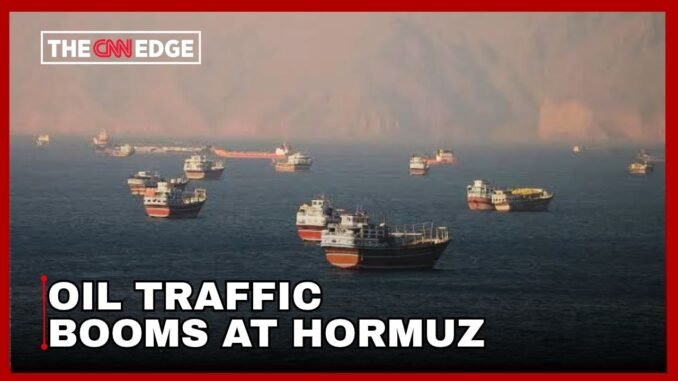
The global oil market is gradually finding its footing again. Crude oil exports passing through the Strait of Hormuz — one of the world’s most critical oil chokepoints — have largely bounced back to the volumes recorded before the Iran crisis rattled international energy markets. And for a country like Nigeria, where crude oil remains the backbone of federal revenue, this is news worth paying close attention to.
So, What Exactly Happened?
At the height of tensions surrounding Iran, oil shipments through the Strait of Hormuz — a narrow waterway in the Persian Gulf through which roughly 20% of the world’s oil supply passes — took a significant hit. The uncertainty sent ripples across global energy markets, causing price volatility that affected oil-producing nations worldwide, Nigeria included.
However, thanks to adapted transport logistics* and *increased pipeline usage, export volumes have steadily climbed back to their pre-crisis levels. In plain terms: the global oil supply chain has found workarounds, and the market is stabilising.
Why Should Nigerians Care?
If you think events in the Middle East have nothing to do with the price of fuel in Lagos or the exchange rate at your bureau de change in Abuja, think again.
Nigeria’s economy is heavily tied to the fortunes of global crude oil. When international oil prices are stable or rising, the naira gets some breathing room, government revenues improve, and the Nigerian National Petroleum Company Limited (NNPCL) has more to work with. When prices crash or supply floods the market, Nigeria feels the pain — sometimes before the rest of Africa.
Here’s the direct connection:
– More supply = potential price pressure. With Hormuz exports returning to normal levels, global crude supply increases. This could put downward pressure on oil prices, which is not exactly good news for Abuja’s budget calculations.
– Stable prices bring investment confidence. On the flip side, steadying prices reduce the kind of wild volatility that scares off foreign investors from Nigeria’s oil sector.
– OPEC+ dynamics shift. Nigeria, as an OPEC member, must constantly navigate its production quotas against this backdrop of global supply changes.
The Logistics Story Behind the Rebound
What made this recovery possible? Industry analysts point to two key factors:
1. Smarter Transport Logistics
Oil traders and shipping companies quickly adapted routes and schedules to manage the disruptions. Think of it like Lagos traffic — when the Third Mainland Bridge gets congested, smart drivers find alternative routes. The global oil shipping industry did exactly that.
2. Increased Pipeline Usage
Countries in the Gulf region leaned more heavily on overland pipelines to bypass the Strait entirely. This reduced dependence on the waterway and kept the oil flowing even as maritime tensions simmered.
Global Oil Prices: Steady for Now
The good news coming out of all this is that global oil prices have largely steadied following the rebound in Hormuz exports. Markets had initially feared a prolonged supply shock, but the recovery has helped calm those fears.
For Nigeria, steady oil prices — even if not the $100-per-barrel figures the government dreams about — provide a more predictable environment for budget planning. The 2024 and 2025 budget benchmarks set by the Federal Government have already been stress-tested by oil market swings, so any period of relative calm is welcomed by economic planners in Abuja.
The Bigger Picture for Africa’s Largest Oil Producer
Nigeria pumps over a million barrels of crude per day — when everything is working as it should. The country has long struggled with oil theft, pipeline vandalism, and underinvestment in its upstream sector. These domestic challenges mean Nigeria has often been unable to fully capitalise on high oil price windows.
As the Hormuz situation stabilises and global attention returns to fundamentals, Nigeria must ask itself: Are we ready to take advantage of stable markets?
The Dangote Refinery coming online, increased investment in the Niger Delta, and ongoing reforms at the NNPCL all represent steps in the right direction. But the window of opportunity doesn’t stay open forever.
Bottom Line
The rebound of crude oil exports through the Strait of Hormuz is a reminder of just how interconnected the global energy market is — and how events thousands of kilometres away can land directly in the pockets of ordinary Nigerians. As prices steady and supply normalises, the ball is in Nigeria’s court to position itself smartly within this evolving landscape.
Whether you’re a policy wonk in Abuja, a trader on the floor of the Nigerian Exchange Group, or simply someone watching the pump price at your filling station, the message is clear: global oil markets matter, and Nigeria must stay ahead of the curve.
—
Stay informed. Share this article with someone who needs to understand how global events shape Nigeria’s economy.
Stay connected on buzzUp9ja for more details
Be the first to comment