
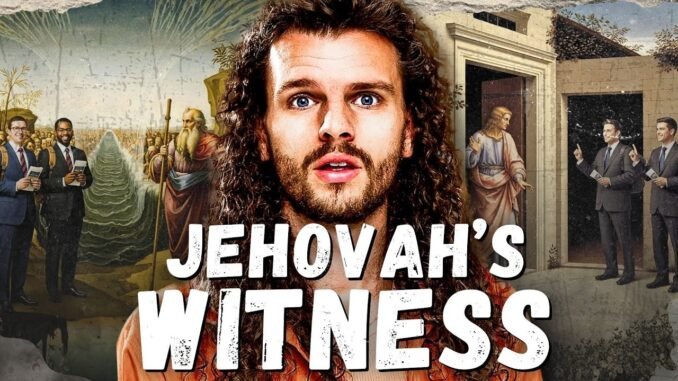

A landmark ruling in Madrid has ignited conversations about religious freedom, accountability, and the rights of former members to speak out against their experiences.
In a significant legal victory that has sent ripples through religious communities worldwide, a Madrid court has ruled in favour of the Spanish Association of Victims of Jehovah’s Witnesses, confirming that critics and former members have the right to describe the organization as a “destructive sect.”
The Case That Made Headlines
The ruling, which came after a protracted legal battle between the religious organization and its former members, centered on the fundamental question of free speech versus defamation. Jehovah’s Witnesses had filed suit against the advocacy group, arguing that being labeled a “destructive sect” damaged their reputation and constituted defamation.
However, the Spanish court disagreed, determining that former members have a legitimate right to share their experiences and criticisms of the organization, even when those criticisms are strongly worded.
What This Means for Religious Accountability
For many Nigerians watching this case, the implications are profound. Nigeria, a nation where religious organizations wield significant social and political influence, understands all too well the delicate balance between respecting religious freedom and holding institutions accountable for their practices.
The court’s decision essentially protects whistleblowers and former members who wish to speak out about practices they believe are harmful. This includes discussions about:
– Family separation policies that have been criticized for breaking up households
– Shunning practices that disconnect former members from their loved ones
– Medical treatment restrictions that some argue put lives at risk
– Organizational transparency regarding internal governance and discipline
A Win for Freedom of Expression
The Spanish Association of Victims of Jehovah’s Witnesses celebrated the ruling as a vindication of their right to warn others about what they describe as harmful practices within the organization. The advocacy group, composed primarily of former members and their families, has long campaigned for greater awareness of the challenges faced by those who leave the faith.
“This is not about attacking anyone’s beliefs,” explained representatives from the association. “It’s about the right to share our lived experiences and protect others from similar situations.”
The Nigerian Context
In Nigeria, where Jehovah’s Witnesses have a significant presence alongside other major religious groups, this ruling raises important questions about how religious organizations operate and how their members—past and present—can discuss their experiences.
Nigerian society deeply values religious expression, but there’s also a growing conversation about accountability and the protection of vulnerable individuals within religious institutions. From mega churches to smaller denominations, questions about transparency, financial practices, and treatment of members have become increasingly relevant.
Understanding the ‘Destructive Sect’ Designation
The term “destructive sect” is strong language, but the court ruled that it falls within the bounds of protected speech when used by those sharing their personal experiences. The designation typically refers to organizations that critics allege:
– Exercise excessive control over members’ lives
– Isolate followers from outside influences, including family
– Discourage critical thinking or questioning of leadership
– Implement strict disciplinary measures for those who dissent
– Create dependency that makes leaving difficult
Jehovah’s Witnesses Respond
Representatives of Jehovah’s Witnesses have historically defended their practices as based on Biblical interpretation and have emphasized that membership is voluntary. They maintain that their organization respects individual choice and that their practices are protected religious expression.
The organization has not yet issued a comprehensive response to the Spanish court ruling, though they maintain the right to appeal.
Broader Implications for Religious Freedom
This case highlights the ongoing global conversation about where religious freedom ends and individual rights begin. While most agree that people should be free to practice their faith, questions arise when organizational policies appear to harm members or former members.
For families affected by strict religious policies—whether in Spain, Nigeria, or elsewhere—this ruling offers hope that their voices can be heard without fear of legal retaliation.
What Happens Next?
Legal experts suggest that this ruling could set a precedent for similar cases across Europe and potentially influence how courts worldwide balance religious freedom with freedom of expression. It may embolden other advocacy groups and former members of various organizations to speak more openly about their experiences.
For Nigerian readers, this case serves as a reminder of the importance of maintaining open dialogue about all institutions that shape our society—religious, political, or otherwise. Accountability and transparency benefit everyone, strengthening rather than weakening our communities.
The Bottom Line
The Madrid court’s decision affirms that criticism of religious organizations, even sharp criticism, can constitute legitimate free speech, particularly when it comes from those with direct experience. While respecting everyone’s right to their faith, the ruling also protects the right of former members to share their stories and warn others.
As Nigeria continues to navigate its own complex religious landscape, cases like this remind us that healthy societies need both religious freedom and the freedom to question, discuss, and yes—even criticize—the institutions that shape our lives.
What are your thoughts on this ruling? How should Nigerian society balance religious freedom with individual rights and accountability? Join the conversation in the comments below.
Follow for more news on buzzUp9ja
Be the first to comment