
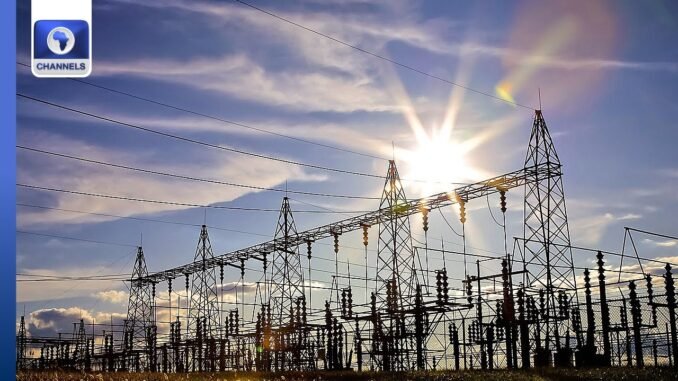

Power consumers across Abuja and Jos are currently experiencing significant disruptions in electricity supply following the deliberate vandalization of critical infrastructure in Nasarawa State. The Transmission Company of Nigeria (TCN) has confirmed that six transmission towers along the strategic Apir-Lafia transmission line have been destroyed by vandals, leaving thousands of households and businesses in darkness.
What Happened?
According to TCN’s official statement, the affected towers are part of the vital transmission corridor that supplies electricity to areas serviced by the Abuja Electricity Distribution Company (AEDC) and Jos Electricity Distribution Company (JEDC). The vandalism represents a direct attack on Nigeria’s already fragile power infrastructure, further compounding the energy challenges facing the nation.
The Apir-Lafia transmission line serves as a crucial link in the national grid, and its disruption has created a domino effect that has left many communities without power. For residents and businesses who depend on relatively stable electricity from these distribution companies, the situation has added another layer of frustration to Nigeria’s persistent power problems.
Impact on Customers
The destruction of these six towers has particularly affected:
– AEDC customers across the Federal Capital Territory and surrounding areas
– JEDC customers in Plateau State and neighboring communities
– Businesses, hospitals, schools, and essential services that rely on grid power
– Small and medium enterprises already struggling with operational costs
For many Nigerians, this incident is yet another reminder of how vulnerable our power infrastructure remains to criminal activities. The timing couldn’t be worse, as businesses are trying to recover from economic challenges and households are managing increased living costs.
TCN’s Response and Recovery Efforts
The Transmission Company of Nigeria has mobilized technical teams to assess the extent of the damage and begin reconstruction work on the vandalized towers. However, restoring such critical infrastructure is neither quick nor cheap. The process involves:
1. Security assessment of the affected areas
2. Procurement of replacement materials and equipment
3. Physical reconstruction of the towers
4. Testing and recommissioning of the transmission line
TCN has assured customers that engineers are working around the clock to restore power supply, but has not provided a specific timeline for completion. The company has also called on security agencies to intensify efforts to protect transmission infrastructure across the country.
The Growing Menace of Infrastructure Vandalism
This incident is part of a disturbing trend of attacks on Nigeria’s power infrastructure. Transmission towers, cables, and transformers have increasingly become targets for vandals who steal components for sale as scrap metal. The consequences of these criminal acts extend far beyond the immediate power outages:
– Economic losses running into billions of naira for businesses forced to rely on expensive generators
– Reduced quality of life for citizens dealing with heat, spoiled food, and disrupted daily routines
– Setbacks to development as industries struggle with unreliable power supply
– Massive financial burden on TCN and distribution companies for repairs and replacements
What This Means for Average Nigerians
For the typical Nigerian household already familiar with power challenges, this latest development means:
– Extended periods of darkness beyond the usual load shedding
– Increased spending on fuel for generators
– Higher costs for cold storage and food preservation
– Disrupted work-from-home arrangements
– Challenges with charging phones and electronic devices
Many business owners are particularly concerned about the impact on their operations. From barbing salons to cold room operators, welding shops to restaurant owners, the ripple effects of this infrastructure vandalism touch every sector of the informal economy.
The Way Forward
While TCN works to restore the damaged infrastructure, several questions remain pressing:
Who is responsible for protecting these critical installations? The frequency of these attacks suggests gaps in our security architecture that need urgent attention.
What deterrent measures exist? Stiffer penalties and more effective prosecution of vandals could help reduce these incidents.
Can technology help? Modern surveillance systems, drone monitoring, and community-based protection schemes might offer solutions.
How can communities be involved? Local vigilance and reporting mechanisms could complement official security efforts.
Call for Community Vigilance
TCN has appealed to communities near transmission infrastructure to serve as the eyes and ears of security agencies. Citizens who notice suspicious activities around power installations are encouraged to report immediately to relevant authorities.
The company also warned that vandalism of power infrastructure is a serious crime with severe penalties under Nigerian law. Those caught engaging in such activities face prosecution and lengthy prison terms.
Conclusion
The vandalization of six transmission towers in Nasarawa State is more than just an attack on power infrastructure—it’s an assault on Nigeria’s economic development and the wellbeing of millions of citizens. As TCN works to restore supply to affected AEDC and JEDC customers, this incident serves as a stark reminder of the need for enhanced security around our national assets.
For now, affected customers can only wait patiently while hoping that repairs will be completed swiftly and that stronger protective measures will prevent similar occurrences in the future. The challenge of providing stable electricity to Nigerians is difficult enough without the added burden of criminal sabotage.
Have you been affected by this power outage? Share your experience and thoughts on how Nigeria can better protect its power infrastructure in the comments below.
Stay tuned for more details on buzzUp9ja
Be the first to comment