
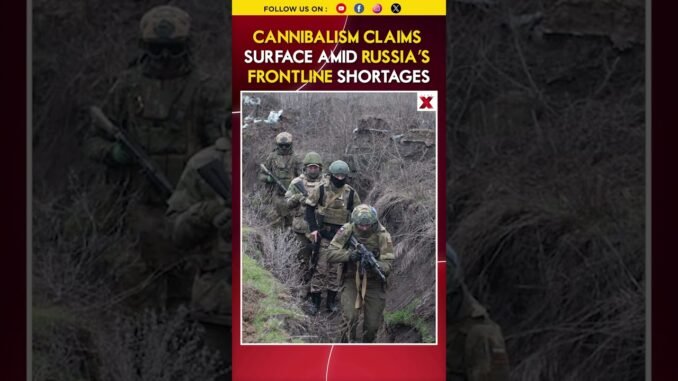

Summary: Disturbing reports claim Russian soldiers in Ukraine are facing extreme starvation, with unverified allegations of cannibalism emerging from the battlefield. Here’s what we know about the humanitarian crisis.
Shocking allegations have surfaced suggesting that Russian military forces deployed to Ukraine are experiencing such severe food shortages that some soldiers may have resorted to the unthinkable—cannibalism. While these claims remain unverified and highly controversial, they paint a grim picture of conditions on the frontlines of the ongoing conflict.
The Disturbing Claims
According to recent reports circulating in international media, Russian troops stationed in certain areas of the Ukrainian battlefield are allegedly facing extreme deprivation. The most alarming claims suggest incidents of soldiers consuming human flesh, specifically targeting deceased comrades, as a desperate survival measure.
These reports, which have not been independently verified by major humanitarian organizations, cite sources claiming that logistical failures have left Russian military units without adequate food supplies for extended periods.
Context: Nigeria’s Perspective on War and Hunger
For Nigerians who have witnessed our own security challenges—from the Boko Haram insurgency in the Northeast to banditry in the Northwest—the connection between conflict and hunger is not unfamiliar. We understand how warfare disrupts food systems, displaces communities, and creates humanitarian disasters.
However, the allegations emerging from Ukraine represent an extreme level of desperation that goes beyond typical wartime food scarcity. If true, they would indicate a catastrophic breakdown in military supply chains and command structure.
What Military Experts Are Saying
Military analysts have long documented issues with Russian logistics during the Ukraine invasion. Problems include:
– Supply chain disruptions caused by Ukrainian counteroffensives
– Corruption within Russian military procurement systems
– Extended supply lines stretching resources thin
– Low morale among conscripted soldiers
While food shortages have been documented through soldier testimonies and intercepted communications, the leap to cannibalism represents an extreme claim requiring substantial evidence.
The Fog of War: Separating Fact from Propaganda
It’s crucial to approach these allegations with healthy skepticism. During wartime, both sides engage in information warfare designed to:
1. Demoralize enemy forces
2. Rally domestic support
3. Influence international opinion
4. Justify military actions
Nigeria has experienced this during our own conflicts, where exaggerated or false claims sometimes circulate before facts emerge. The same caution applies here.
Verified Reports of Russian Military Struggles
What we do know for certain:
– Multiple reports from captured Russian soldiers describe inadequate rations
– Intercepted phone calls reveal complaints about food quality and quantity
– Independent journalists have documented poorly equipped Russian units
– International observers confirm logistical challenges facing Russian forces
These verified issues make extreme survival situations plausible, even if the most shocking allegations remain unconfirmed.
International Humanitarian Concerns
The International Committee of the Red Cross (ICRC) and other humanitarian organizations have expressed concern about conditions for all combatants and civilians in the conflict zone. International humanitarian law requires that:
– Prisoners of war receive adequate food and medical care
– Military forces maintain minimum standards for their own troops
– Civilians caught in conflict zones have access to humanitarian aid
Lessons for Nigeria
As Nigeria continues strengthening our military capabilities and addressing security challenges, this situation offers sobering reminders:
1. Logistics matter: An army marches on its stomach—supply chains are as important as weapons
2. Troop welfare is strategic: Hungry, demoralized soldiers cannot fight effectively
3. Transparency prevents rumours: Clear communication prevents wild allegations
4. War crimes must be investigated: All extreme claims require thorough, impartial investigation
What Happens Next?
International war crimes investigators are documenting various allegations from the Ukraine conflict. If evidence supports these extreme cannibalism claims, they would likely be investigated as part of broader inquiries into potential war crimes and crimes against humanity.
For now, the international community continues monitoring the situation while humanitarian organizations work to provide relief where possible.
The Bottom Line
While the cannibalism allegations remain unverified and should be treated with appropriate skepticism, they highlight the brutal realities of modern warfare. Whether these specific claims prove true or not, the documented suffering of soldiers and civilians in Ukraine serves as a stark reminder of war’s human cost.
For Nigerians watching this conflict from afar, it reinforces why diplomatic solutions to conflicts—including our own security challenges—should always be pursued vigorously before military options.
As this story develops, credible international organizations and independent investigators will work to separate verified facts from wartime propaganda. Until then, we must demand evidence while acknowledging the very real humanitarian crisis unfolding in Ukraine.
What are your thoughts on these allegations? How should the international community respond to unverified wartime claims? Share your perspective in the comments below.
For more information, check buzzUp9ja
Be the first to comment