
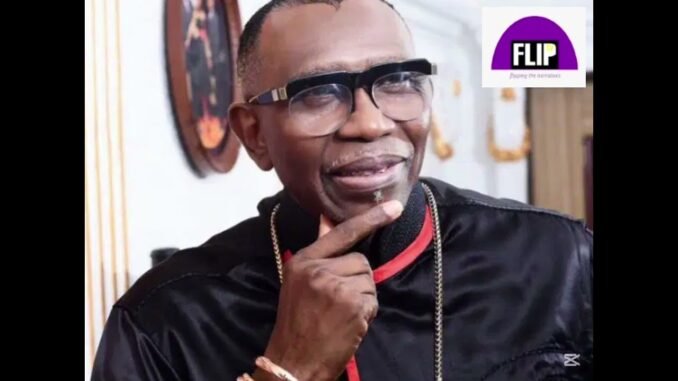

Summary: Former CAN President, Pastor Ayo Oritsejafor speaks on those who criticized Goodluck Jonathan’s administration, noting the irony of their current leadership positions.
Former President of the Christian Association of Nigeria (CAN), Pastor Ayo Oritsejafor, has made a striking observation about Nigerian politics, pointing out that many individuals who once labeled former President Goodluck Jonathan as “clueless” are now occupying positions of power in the country.
The respected clergyman’s comments have reignited conversations about political criticism, leadership accountability, and the irony of Nigeria’s political landscape.
The “Clueless” Label: A Political Weapon
During Jonathan’s administration between 2010 and 2015, the term “clueless” became one of the most popular criticisms leveled against the former president. Opposition politicians, commentators, and critics frequently used this description to characterize his leadership style and policy decisions.
The label stuck so well that it became almost synonymous with Jonathan’s presidency, particularly as the country grappled with security challenges, economic difficulties, and allegations of corruption within his government.
Pastor Oritsejafor’s Perspective
Pastor Oritsejafor, who served as CAN President during Jonathan’s tenure and was known to be close to the administration, has now drawn attention to what he considers a significant irony in Nigerian politics. His observation suggests that those who were most vocal in criticizing Jonathan’s competence have since assumed leadership roles themselves.
This statement raises important questions about political accountability and whether those who criticized past administrations have performed better in their own capacities.
The Nigerian Political Experience
For many Nigerians, Pastor Oritsejafor’s comments resonate deeply. Citizens have watched as political actors who promised heaven and earth while in opposition have struggled with similar or even more severe challenges once in power.
The issues that plagued Jonathan’s administration – insecurity, economic hardship, unemployment, and infrastructure deficits – remain pressing concerns today. This reality has led many Nigerians to re-evaluate their assessment of past leaders, with some now viewing Jonathan’s era through a more favourable lens.
Lessons in Political Criticism
The pastor’s statement serves as a reminder that political criticism should be constructive and that those who aspire to leadership must be prepared to do better than those they criticize. It also highlights the need for Nigerians to hold all leaders accountable, regardless of political affiliation, rather than engaging in partisan attacks that may not be grounded in genuine concern for national progress.
A Call for Reflection
As Nigeria continues to navigate complex economic and security challenges, Pastor Oritsejafor’s observation invites both leaders and citizens to engage in honest reflection. It challenges current power holders to demonstrate that their previous criticisms were rooted in a genuine desire to improve governance, rather than mere political opportunism.
For ordinary Nigerians who have lived through multiple administrations, the statement underscores the importance of evaluating leaders based on their actual performance rather than political rhetoric or party loyalty.
Moving Forward
Whether one agrees with Pastor Oritsejafor’s assessment or not, his comments have sparked necessary conversations about leadership, accountability, and the standards by which we judge our political leaders. As the nation looks toward future elections and continued governance challenges, these discussions remain crucial for Nigeria’s democratic development.
The question now is whether those currently in power will prove their earlier criticisms were justified by delivering the good governance they promised, or whether history will judge them by the same standards they once applied to others.
For more information, check buzzUp9ja
Be the first to comment