
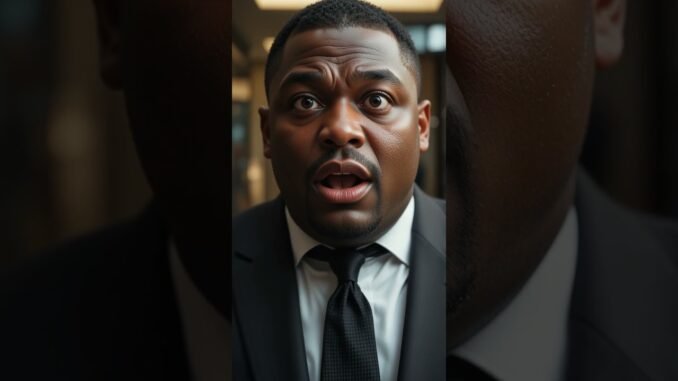

Summary: Nigerian man Oryiman Emmanuel Ubur publicly disowns partner Nguseer Tyoungwa after years of alleged abandonment and infidelity. A viral story sparking conversations about love, forgiveness, and knowing when to walk away.
A heartbreaking tale of love, forgiveness, and repeated disappointment rocks social media as one man finally says “enough is enough”
—
The streets of Nigerian social media have been buzzing with reactions following a deeply emotional public statement by Oryiman Emmanuel Ubur, who has officially disowned his life partner, Nguseer Tyoungwa, after what he describes as years of abandonment, infidelity, and broken promises.
In a lengthy Facebook post that has since gone viral, Ubur opened up about the painful journey of a relationship marked by countless reconciliations, only to end in what appears to be a final, irreversible break.
A Love Story Gone Wrong
Ubur’s confession reads like a Nollywood script—except this time, the pain is real, and the consequences affect real children and a real family. According to his account, Tyoungwa repeatedly left their home and children, only for him to search for her, find her in “wrong places” with another man, and still bring her back home out of love and hope for change.
“I found her in wrong places, with her boyfriend, yet I kept bringing her back,” Ubur wrote, capturing the essence of a man caught between love, responsibility, and self-respect.
The post, dated Thursday, June 4, details a pattern of behavior that many Nigerians—particularly those who have experienced toxic relationships—found all too familiar. It’s a story of second chances given repeatedly, only to be met with the same heartbreak.
The Breaking Point
Every relationship has a breaking point, and for Ubur, it seems that threshold has finally been crossed. His public disavowal is not just a social media post—it’s a man reclaiming his dignity and protecting his peace of mind.
While the full details of what led to this final decision remain between the lines of his emotional post, what’s clear is that this wasn’t an impulsive decision. It was the culmination of years of trying, forgiving, and hoping for a different outcome.
The Children Caught in Between
Perhaps the most heartbreaking aspect of this entire situation is the impact on the children involved. Ubur’s post references their children, innocent souls caught in the crossfire of adult decisions and broken promises.
In Nigerian culture, where family is sacred and divorce or separation carries significant social weight, the decision to publicly disown a partner—especially when children are involved—is never taken lightly. It signals that all other options have been exhausted.
Social Media Reactions: A Nation Divided
As expected, Nigerians have flooded the comments section with mixed reactions:
Team Ubur argues that every man has a limit, and that continuous disrespect and abandonment justify his decision. Many applauded his courage to finally walk away and advised him to focus on healing and raising his children.
The Cautious Voices questioned whether airing such private matters publicly was the best approach, especially considering the children who might one day read these posts. Some called for private resolution and counseling.
The Skeptics reminded everyone that there are always two sides to every story, urging people not to rush to judgment without hearing from Tyoungwa herself.
The Bigger Conversation: When Should You Walk Away?
This situation raises important questions that many Nigerians grapple with in their own relationships:
– How many chances are too many?
– When does forgiveness become enabling?
– What do we owe our partners versus what we owe ourselves?
– How do we balance keeping the family together with protecting our mental health?
In a society where marriage and commitment are highly valued, the line between perseverance and self-destruction can become dangerously blurred. Ubur’s story serves as a painful reminder that love alone isn’t always enough to sustain a relationship.
What the Experts Say
Relationship counselors often emphasize that while forgiveness is important, it must be accompanied by genuine change and remorse from the offending partner. Repeated patterns of betrayal, especially when children are affected, can create toxic environments that ultimately harm everyone involved—including the children the couple is trying to protect by staying together.
Moving Forward
As Ubur begins this new chapter of his life without Tyoungwa, many are hoping he finds the peace and healing he deserves. The road ahead won’t be easy—single parenthood in Nigeria comes with its own set of challenges—but his courage to finally prioritize his wellbeing has inspired many who find themselves in similar situations.
To those currently experiencing similar relationship struggles, Ubur’s story is both a cautionary tale and a beacon of hope: it’s never too late to choose yourself, and sometimes the most loving thing you can do—for yourself and your children—is to walk away.
What do you think about this situation? Should private family matters be handled publicly on social media, or are there times when public accountability is necessary? Share your thoughts in the comments below.
For more information, check buzzUp9ja
Be the first to comment