
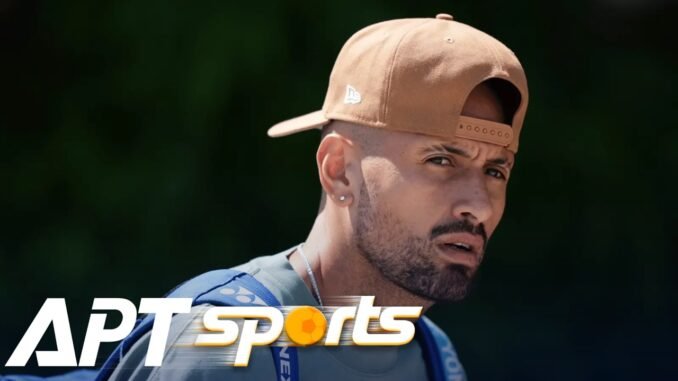

The controversial tennis bad boy is in hot water again, and this time it’s not for smashing rackets or fighting with umpires
Australian tennis star Nick Kyrgios* has accepted a one-month suspension after testing positive for coc@ine use, the *International Tennis Integrity Agency (ITIA) confirmed in an official statement.
The 31-year-old, who has long been one of the most talked-about — and controversial — figures in world tennis, failed a drugs test, marking yet another dramatic chapter in a career that has never been short of headlines.
What Happened?
According to the ITIA, Kyrgios returned a positive test for coc@ine and has since accepted the one-month ban handed down by the governing body. The suspension is a result of the agency’s anti-doping enforcement process, which applies to all professional tennis players regardless of their status or ranking.
The ITIA, which oversees integrity matters across professional tennis worldwide, confirmed that the matter has been resolved after Kyrgios accepted the sanction without contest.
Who Is Nick Kyrgios?
For those who may not follow tennis closely, Kyrgios is the kind of player that makes you watch — whether you want to or not. The Australian of Greek and Malaysian heritage has been ranked among the top players in the world and is known for his explosive serve, incredible shot-making ability, and equally explosive temper on court.
He reached the Wimbledon final in 2022, proving that when he puts his mind to it, the man can compete with literally anyone on the planet. But off the court? The drama never stops.
From verbal altercations with officials and opponents, to legal troubles, to public feuds with fellow players — Kyrgios has consistently made news for reasons beyond his tennis racket.
The Bigger Picture
This latest development raises important questions about mental health, lifestyle pressures, and substance use among elite athletes — conversations that are increasingly relevant not just in Western sports circles, but right here in Nigeria too.
Our own athletes face enormous pressure — from financial stress to performance anxiety to public expectations. The Kyrgios situation is a reminder that fame and talent do not automatically shield anyone from personal struggles.
It is also worth noting that a one-month ban* is considered relatively light in the world of professional sports doping sanctions — largely because coc@ine is classified as a *recreational drug rather than a performance-enhancing substance under tennis regulations. Had it been a performance-enhancing drug, the ban would almost certainly have been far longer and more career-damaging.
What Happens Next?
With the ban accepted and the matter seemingly closed for now, the question is whether Kyrgios — who has battled injuries in recent years — can refocus and return to the court with the kind of tennis that once made him a Wimbledon finalist.
One thing is certain: the world will be watching. With Kyrgios, it always is.
What do you think about this development? Should athletes face stricter consequences for recreational drug use, or should personal lifestyle choices be treated separately from professional conduct? Drop your thoughts in the comments below!
Explore more details on buzzUp9ja
Be the first to comment