
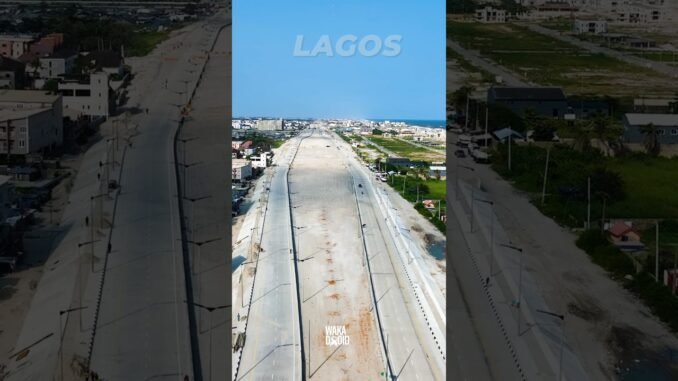

The Federal Ministry of Works has recently announced a ban on the operation of commercial motorcycles and tricycles on the Lagos-Calabar Coastal Highway. This decision, aimed at enhancing safety and security along this crucial transportation route, has significant implications for both commuters and businesses in the region.
The restriction, which was communicated in a statement on Sunday, June 28th, comes as part of the government’s efforts to address the persistent challenges faced on the highway. The statement emphasized the need to prioritize the safety and well-being of all road users, as well as the efficient movement of goods and services along this vital economic corridor.
For Nigerian commuters and commercial operators who have relied on the convenience and accessibility of motorcycles and tricycles, this ban may present a significant disruption to their daily routines and livelihoods. However, the government has assured that alternative transportation options, such as buses and other authorized vehicles, will be made available to ensure the continued smooth flow of movement along the highway.
Stakeholders in the transportation and logistics sectors have been urged to work closely with the relevant authorities to ensure a seamless transition and to explore innovative solutions that address the needs of both travelers and businesses. This move is seen as a crucial step in enhancing the overall infrastructure and security of the Lagos-Calabar Coastal Highway, ultimately benefiting the Nigerian people and the nation’s economic development.
As the implementation of this ban takes effect, it is essential for all road users to stay informed, adapt to the changes, and work collaboratively to navigate the new landscape of transportation along this vital coastal route.
Read more updates on buzzUp9ja
Be the first to comment