
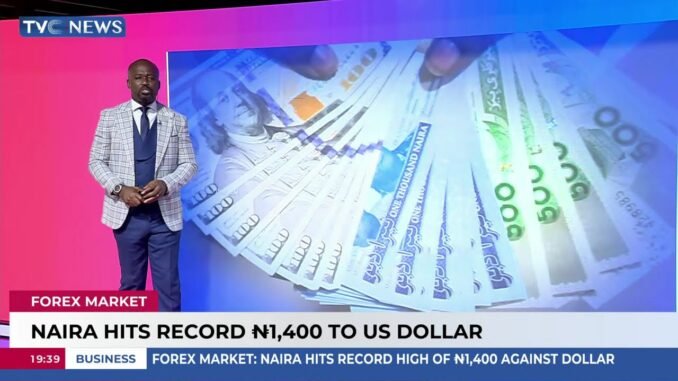

Summary: The Nigerian Naira continues its downward slide against the US dollar, reaching N1,400 in the parallel market this week. Find out what this means for your wallet and the economy.
The Nigerian Naira has taken another hit in the parallel market, with the exchange rate climbing to N1,400 per US dollar as of Tuesday morning, June 16. This represents a N10 drop from the N1,390 rate recorded over the previous weekend.
For millions of Nigerians who depend on the black market for foreign exchange—whether for school fees, medical bills abroad, or online shopping—this latest depreciation means your dollars are becoming more expensive by the day.
Official Market Tells a Different Story
Interestingly, while the parallel market continues its bearish trend, the local currency has shown some resilience in the official foreign exchange market. This growing gap between the official and parallel market rates—what forex traders call the “spread”—continues to be a major headache for economic managers at the Central Bank of Nigeria (CBN).
What’s Driving the Naira Down?
Several factors are putting pressure on the Naira in the black market:
– Increased dollar demand from importers and businesses
– Limited supply of foreign currency in unofficial channels
– Economic uncertainty affecting investor confidence
– Seasonal factors including mid-year business activities
What This Means for You
If you’re planning to travel abroad, send children to school overseas, or make international purchases, you’ll need to dig deeper into your pockets. The widening exchange rate gap also affects the prices of imported goods, from electronics to food items, which could eventually show up in your market basket.
For those receiving remittances from abroad, however, you’ll get more Naira for your dollars—a small silver lining in an otherwise challenging situation.
The Road Ahead
The CBN has been implementing various policies to stabilize the Naira and narrow the gap between official and parallel market rates. However, sustained stability will require addressing fundamental issues including boosting foreign exchange earnings, improving export capacity, and restoring investor confidence in the Nigerian economy.
As we navigate these choppy economic waters, Nigerians are once again demonstrating their legendary resilience, finding creative ways to adapt to the changing currency landscape.
Stay tuned for updates as we continue to monitor movements in the foreign exchange market.
For more details, check buzzUp9ja
Be the first to comment