
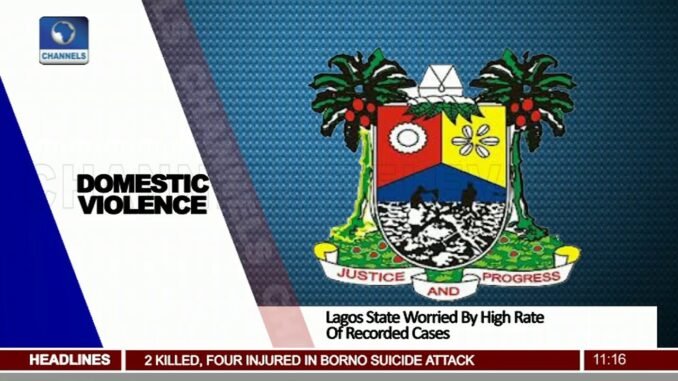

The Lagos State Domestic and Sexual Violence Agency (DSVA) has disclosed that it currently receives more than 450 complaints of domestic violence every single month, painting a troubling picture of the scale of abuse occurring within homes across Nigeria’s commercial capital.
According to Titilola Vivour-Adeniyi, the Executive Secretary of DSVA, this alarming figure represents a significant increase in reported cases and highlights the urgent need for greater awareness and intervention in tackling domestic violence across the state.
The Growing Domestic Violence Crisis in Lagos
The revelation comes at a time when advocates and civil society organizations have intensified calls for stronger protection mechanisms for victims of domestic and sexual violence. The statistics suggest that despite increased awareness campaigns, many Lagos residents continue to suffer abuse behind closed doors.
“These numbers are deeply concerning and reflect what many of us in the field have long suspected – that domestic violence is far more prevalent in our society than most people realize,” Vivour-Adeniyi stated while addressing stakeholders.
What the Numbers Really Mean
With over 450 cases reported monthly, this translates to approximately 15 cases every day, or more than 5,400 cases annually. However, experts believe these figures only scratch the surface, as many victims remain silent due to stigma, fear of retaliation, or lack of awareness about available support systems.
The types of violence reported include physical abuse, emotional and psychological torture, sexual violence, economic abuse, and various forms of intimidation and control within intimate relationships and family settings.
Cultural Barriers to Reporting
In Nigerian society, particularly in Lagos where diverse cultures intersect, several factors contribute to underreporting of domestic violence cases:
– Cultural beliefs that position family matters as private issues not to be discussed publicly
– Economic dependence on abusive partners, making it difficult for victims to leave
– Religious teachings that are sometimes misinterpreted to encourage endurance of abuse
– Shame and stigma associated with being a victim of domestic violence
– Fear of being blamed or not believed by family, community members, and even law enforcement
DSVA’s Response and Available Services
The Lagos State Domestic and Sexual Violence Agency has expanded its services to meet the growing demand for support. The agency provides:
– 24-hour hotlines for emergency response and counseling
– Safe shelters for victims who need to escape dangerous situations
– Legal support and advocacy to help survivors seek justice
– Medical assistance including treatment and documentation of injuries
– Psychosocial counseling for trauma recovery
– Economic empowerment programs to help survivors achieve financial independence
Breaking the Silence
Vivour-Adeniyi emphasized that reporting domestic violence is not a sign of weakness but an act of courage that can save lives. She encouraged victims and witnesses to speak up and take advantage of the support systems available.
“No one deserves to live in fear within their own home. We want every Lagosian to know that help is available, and we are committed to supporting survivors through their journey to safety and healing,” she added.
How to Get Help
If you or someone you know is experiencing domestic violence in Lagos State, help is available:
– DSVA Hotline: 08000333333 (toll-free)
– Gender Desk at any police station
– Mirabel Centre for sexual assault victims at Lagos State University Teaching Hospital (LASUTH)
– Report online through DSVA’s social media channels
Community Responsibility
Addressing domestic violence requires collective action. Neighbors, family members, friends, and community leaders all have roles to play in:
– Speaking out against violence
– Supporting survivors rather than shaming them
– Reporting suspected abuse to relevant authorities
– Challenging cultural practices and beliefs that normalize violence
– Teaching children about healthy relationships and respect
The Way Forward
While the rising number of reported cases is concerning, it may also indicate growing awareness and willingness among victims to seek help. The Lagos State Government, through DSVA, continues to work toward creating an environment where domestic violence is not tolerated and survivors receive the comprehensive support they need.
As Lagos continues to position itself as a megacity with modern values, addressing the domestic violence epidemic remains a critical priority that requires sustained commitment from government, civil society, religious institutions, and every resident.
Remember: Domestic violence is a crime, not a family matter. If you’re experiencing abuse or know someone who is, speak up and seek help today. Your life matters, and you deserve to live free from violence and fear.
For more information, check buzzUp9ja
Be the first to comment