
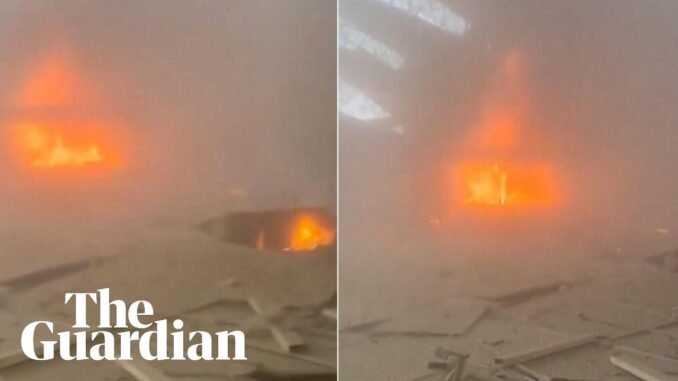

Summary: Breaking news as Iran allegedly launches deadly missile attacks on Kuwait’s international airport, leaving casualties and escalating Gulf tensions amid US-Iran confrontations.
The Middle East is on edge this Wednesday, June 3, as shocking reports emerged of Iranian missile and drone strikes hitting multiple targets across the Gulf region, including a devastating attack on Kuwait’s international airport that has claimed at least one life.
What Happened at Kuwait International Airport?
According to emerging reports, Iranian forces allegedly launched a coordinated assault using both missiles and drones against strategic locations in Kuwait and Bahrain. The most serious incident occurred at Kuwait’s international airport, where explosions partially destroyed sections of the facility and resulted in at least one confirmed fatality.
The attack marks a dangerous new chapter in the escalating confrontation between Iran and the United States, with Gulf nations now finding themselves in the crossfire of this intensifying conflict.
Growing Tensions in the Gulf Region
This latest development comes as Iran and the United States continue to exchange hostile actions in what many security analysts fear could spiral into a full-scale regional conflict. The Gulf Cooperation Council (GCC) countries—including Kuwait, Bahrain, Saudi Arabia, UAE, Qatar, and Oman—have long been caught between their Western alliances and their geographical proximity to Iran.
For Nigerians watching these events unfold, the implications extend beyond distant headlines. Nigeria maintains diplomatic relations with both Gulf states and Iran, and any major conflict in the region could have serious consequences for global oil prices—something that directly affects our economy and daily lives.
Regional and Global Implications
The targeting of civilian infrastructure like an international airport represents a significant escalation. Airports are not just transportation hubs; they’re symbols of international connectivity and economic vitality. An attack of this nature sends shockwaves through the international community.
Gulf states have historically been major destinations for Nigerian workers, students, and business people. Thousands of our citizens live and work in Kuwait, Bahrain, and other Gulf nations. The safety of these Nigerians abroad is now a growing concern as the security situation deteriorates.
What This Means for Nigeria
As Africa’s largest oil producer, Nigeria cannot ignore developments in the Middle East. The Gulf region accounts for a significant portion of global oil production, and any disruption to supplies or major conflict typically drives oil prices upward. While higher prices might seem beneficial for an oil-producing nation, the reality is more complex—global economic instability affects investment, trade, and ultimately Nigeria’s economic growth.
Additionally, many Nigerian professionals, from healthcare workers to engineers, have built careers in Gulf nations. The Nigerian government and relevant authorities must remain vigilant about the welfare of our citizens in the region.
International Response Expected
The international community is likely to respond strongly to these attacks, particularly given the targeting of civilian infrastructure. The United Nations Security Council may convene emergency sessions, while Western powers allied with Gulf states will face pressure to respond to what they view as Iranian aggression.
However, Iran has historically justified its actions as responses to what it considers provocations and threats from the United States and its regional allies.
What Comes Next?
As this situation continues to develop, several questions remain unanswered:
– Will there be retaliation from Kuwait, Bahrain, or their allies?
– How will the United States respond to attacks on its Gulf partners?
– Can diplomatic channels prevent further escalation?
– What measures will be taken to protect civilians and civilian infrastructure?
For now, travelers planning trips to the Gulf region should exercise extreme caution and stay updated on travel advisories from the Nigerian Ministry of Foreign Affairs.
Stay Informed
This is a developing story, and the situation remains fluid. As more information becomes available, we will continue to update our readers on how these dramatic events in the Middle East may affect Nigeria and Nigerians both at home and abroad.
The targeting of Kuwait’s international airport represents not just an attack on infrastructure, but a troubling signal that the rules of engagement in the Gulf may be changing—with potentially grave consequences for regional and global stability.
What are your thoughts on this developing situation? How concerned are you about the safety of Nigerians in the Gulf region? Share your views in the comments below.
For more information, check buzzUp9ja
Be the first to comment