
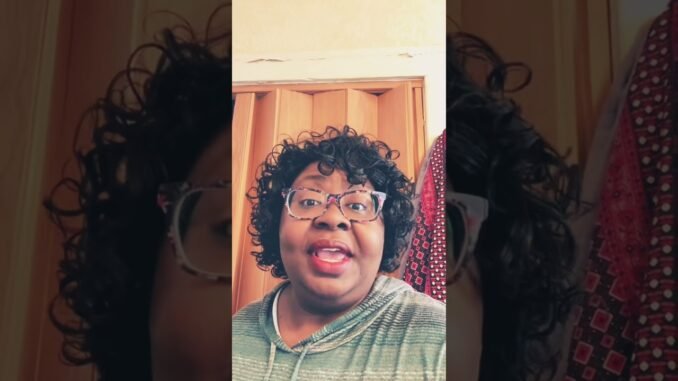

Summary: A 34-year-old South African woman, Vhahangwele Rashaka, opens up about her decision to surgically remove her fallopian tubes and embrace a child-free lifestyle. Her story sparks important conversations about reproductive choices in Africa.
—
As she approaches her 35th birthday, South African woman Vhahangwele Rashaka is preparing for an unusual celebration – marking one year since she made the permanent decision to remain child-free by having her fallopian tubes surgically removed.
A Bold Statement in a Child-Centric Society
For many Africans, including Nigerians, the idea of deliberately choosing not to have children can seem almost unthinkable. In our culture, where family gatherings often include questions like “When are we expecting good news?” or “You’re not getting any younger o,” Rashaka’s choice represents a radical break from tradition.
The 34-year-old underwent a bilateral salpingectomy – a surgical procedure that removes the fallopian tubes – making pregnancy virtually impossible. As she counts down to her first anniversary of the procedure, she’s reflecting on a decision that many in our society would consider controversial, if not outright shocking.
Understanding the Child-Free Movement
While the concept of voluntarily remaining child-free is gaining traction globally, it remains relatively uncommon in African societies where children are traditionally seen as blessings, social security, and the ultimate purpose of marriage.
In Nigeria, where family pressure to “settle down and start producing” can be overwhelming, women who choose not to have children often face:
– Constant questioning from relatives and friends
– Assumptions that something is medically wrong
– Pressure from in-laws who want to see grandchildren
– Religious and cultural criticism
– Concerns about who will care for them in old age
Why Some Women Choose This Path
Though Rashaka’s full reasons weren’t detailed in the original report, women who opt for permanent sterilization typically cite several factors:
Personal Freedom: The desire to focus on career, personal goals, and self-development without the demands of parenthood.
Financial Considerations: The reality that raising children in today’s economy requires significant financial resources many prefer to use differently.
Environmental Concerns: Some cite overpopulation and climate change as reasons for their choice.
Simply Not Wanting Children: Perhaps the most straightforward reason – genuinely not feeling the desire to become a parent.
The Medical Reality
A bilateral salpingectomy is a permanent form of contraception. Unlike tubal ligation (having your “tubes tied”), which can sometimes be reversed, removing the fallopian tubes entirely is considered irreversible. This makes it a particularly serious decision that doctors typically discuss extensively with patients.
In many countries, including parts of Africa, women under a certain age or without children may face resistance from medical professionals who worry about future regret.
The Nigerian Perspective
For Nigerian women reading this, Rashaka’s story might evoke mixed feelings. Our society places enormous value on motherhood. A woman’s worth is often measured by her ability to bear children, particularly sons. The Yoruba say “Omo l’aso oko” (children are the clothes of marriage), while the Igbo consider children the greatest wealth.
Yet, times are changing. More young Nigerian women are:
– Pursuing advanced education and demanding careers
– Delaying marriage and childbearing
– Questioning traditional expectations
– Prioritizing personal fulfillment alongside or instead of motherhood
The Controversy and the Conversation
Rashaka’s openness about her choice has undoubtedly sparked heated debates. In Nigerian social media spaces, such an announcement would likely generate thousands of comments ranging from support to outright condemnation.
Critics might argue:
– “It’s against African culture and values”
– “What if you meet the right man and change your mind?”
– “Who will take care of you when you’re old?”
– “Children are blessings; you’re rejecting God’s plan”
Supporters might counter:
– “It’s her body, her choice”
– “Not everyone is meant to be a parent”
– “Better to be child-free than to have children you resent”
– “There are many ways to contribute to society beyond biological children”
Finding Your Own Path
Whether you dream of having a house full of children, prefer to remain child-free, or are still figuring it out, the key is making informed decisions about your own body and future.
If you’re considering permanent contraception:
1. Research thoroughly: Understand all your options and their implications
2. Seek professional counseling: Discuss with healthcare providers and possibly a therapist
3. Consider your long-term plans: Think about your life in 10, 20, 30 years
4. Ignore outside pressure: Whether it’s pressure to have children or not to have them
5. Trust yourself: Ultimately, you know what’s best for your life
The Bigger Picture
Rashaka’s story, while personal, touches on larger questions about women’s autonomy, reproductive rights, and the freedom to design one’s life according to personal values rather than societal expectations.
In Nigeria and across Africa, these conversations are becoming increasingly important as more women gain education, economic independence, and the ability to make choices that previous generations couldn’t.
Conclusion
As Vhahangwele Rashaka prepares to celebrate her decision’s first anniversary, she joins a small but growing number of African women who are redefining what it means to live a fulfilled life on their own terms.
Her choice may not be for everyone – and it doesn’t need to be. What matters is that every woman has the information, support, and freedom to make reproductive choices that align with her own values, dreams, and circumstances.
Whether you’re team “plenty pikin” or team child-free, the most important thing is that these decisions remain personal ones, made without coercion, judgment, or undue pressure from society.
What are your thoughts on this? Should women face criticism for choosing to remain child-free? Share your respectful opinions in the comments below.
—
Note: This article is for informational purposes only and should not be considered medical advice. Consult with qualified healthcare professionals regarding any reproductive health decisions.
Read more on buzzUp9ja
Be the first to comment