
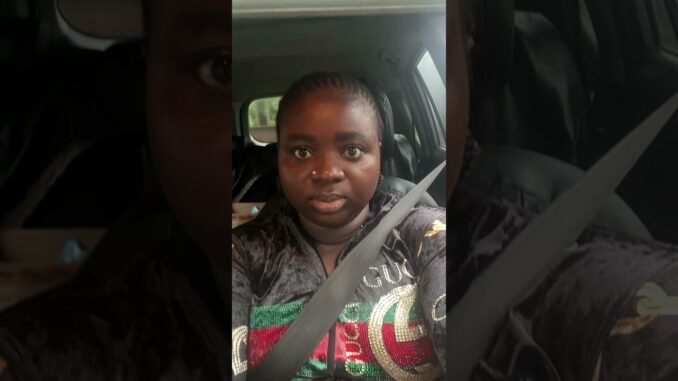

Summary: Nigerian widow Uba Princess Chidinma issues stern warning about her children’s safety, igniting national conversation about widow rights and in-law maltreatment in Nigeria.
—
A Nigerian widow has set social media ablaze after making a chilling declaration that has resonated with countless women across the country who have faced similar fears and tribulations.
Uba Princess Chidinma took to Facebook to issue what many are calling a distress signal wrapped in a warning – a public statement declaring that should anything happen to her, her three children must never, under any circumstances, be taken to their late father’s family home.
A Cry That Echoes Through Many Nigerian Homes
The widow’s post has struck a nerve in Nigerian society, where stories of mistreatment of widows by their in-laws remain painfully common despite modern-day awareness and advocacy. Her words have opened a floodgate of similar testimonies from women who have navigated the treacherous waters of widowhood in a culture that often leaves them vulnerable.
“If tomorrow I am nowhere to be found, my children should never be taken to their late father’s house,” Chidinma wrote, her message carrying the weight of unspoken trauma and the protective instinct of a mother who has seen or experienced things she refuses to subject her children to.
The Reality Behind the Warning
While Chidinma did not explicitly detail the reasons behind her stark warning, her statement has sparked widespread speculation and conversation about the treatment many widows endure at the hands of their late husband’s relatives.
In many Nigerian communities, widows often face:
– Property dispossession: Being stripped of assets and property left by their late husbands
– Dehumanizing traditional rites: Subjected to archaic mourning practices that violate their dignity
– Isolation and accusations: Blamed for their husband’s death or treated as outsiders despite years of marriage
– Child custody battles: Facing attempts by in-laws to take their children away
For many Nigerian women reading Chidinma’s post, her words weren’t just a personal statement – they were a mirror reflecting their own fears and experiences.
A Mother’s Protective Instinct
What stands out most powerfully in Chidinma’s declaration is the fierce maternal protection underlying her words. By making her wishes public, she has created a digital record that cannot be easily dismissed or ignored by family members who might have other plans for her children.
This move represents a modern approach to an age-old problem – using social media as both shield and witness, ensuring that her voice cannot be silenced even in her absence.
The Broader Conversation
Chidinma’s post has ignited important questions that Nigerians are now grappling with in comment sections, group chats, and family gatherings:
Should widows have absolute authority over their children’s relationship with paternal relatives?
What protections exist in Nigerian law for widows and their children?
How can communities better support widows rather than marginalize them?
When does family involvement cross the line into harmful interference?
Legal Rights of Nigerian Widows
It’s worth noting that Nigerian law does provide certain protections for widows, though enforcement remains a challenge. The Administration of Estate Law in various states grants widows rights to their late husband’s property, and the Child Rights Act prioritizes the best interests of the child.
However, the gap between what the law says and what actually happens in many communities remains vast, leaving women like Chidinma feeling they must take extraordinary measures to protect themselves and their children.
Social Media Reactions
The responses to Chidinma’s post have been mixed but largely supportive:
Many women have shared their own stories of maltreatment, creating an impromptu support group in the comments section. Others have applauded her courage in speaking out, noting that silence often enables the continuation of harmful practices.
Some commenters have urged caution, suggesting that not all in-laws are problematic and that children should maintain connections to their paternal heritage. However, the overwhelming sentiment acknowledges that Chidinma wouldn’t make such a declaration without serious reason.
A Wake-Up Call for Nigerian Society
Beyond the individual story, Chidinma’s post serves as a wake-up call about how Nigerian society treats its most vulnerable members. The fact that a mother feels compelled to issue such a public warning speaks volumes about systemic failures in protecting widows and orphans.
Traditional leaders, religious institutions, and community organizations must do more than pay lip service to widow welfare. Real, tangible support systems need to be established and enforced.
What This Means for Other Widows
For other Nigerian widows facing similar circumstances, Chidinma’s boldness may serve as inspiration to:
– Document any threats or mistreatment
– Make their wishes known publicly and legally
– Seek support from widow advocacy groups
– Know their legal rights and pursue them
– Build support networks outside their in-laws’ influence
The Path Forward
As this story continues to circulate and generate discussion, one thing is clear: Nigeria must do better by its widows. The days of treating a woman as property that reverts to her husband’s family upon his death must end completely, not just in law but in practice.
Chidinma’s declaration, born of fear or experience or both, should be the last of its kind that any Nigerian woman feels compelled to make. Until that day comes, however, her courage in speaking out serves as both warning and testimony – a digital insurance policy in a society where widows often find themselves unprotected.
Her three children may be too young to understand now, but someday they will read their mother’s words and know that above all else, she fought to keep them safe, even from beyond the grave if necessary.
The question Nigerian society must now answer is: Why should any mother have to make such a declaration at all?
Follow for more news on buzzUp9ja
Be the first to comment