

“I won’t be another statistic”
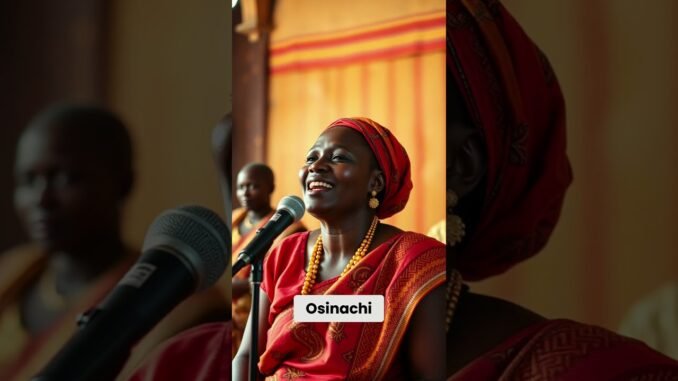
A Nigerian woman, Uthman Muneerah, has publicly cried out for help after alleging that her husband battered her. Posting on Facebook on Tuesday morning, June 30, 2026, she shared a video and a heartfelt plea, declaring that she refuses to “be Osinachi and other women who died of domestic violence.”
Her words echo the painful memory of the late gospel singer Osinachi Nwachukwu, whose death sparked nationwide conversations about abuse behind closed doors. Muneerah’s statement is a pointed reminder that silence can be deadly—and that community support can be lifesaving.
Please note: The claims are allegations based on Muneerah’s account. Authorities and relevant agencies should investigate swiftly and thoroughly.
Why this matters
– Domestic violence no be “family matter.” It’s a crime.
– Many survivors feel trapped by stigma, financial dependence, fear, or pressure to “manage” for the sake of the home.
– Public pleas like Muneerah’s are often a last resort. When someone speaks up, it’s a call for immediate support and protection.
If you or someone you know needs help
Your safety comes first. If you are in immediate danger, call Nigeria’s emergency number: 112.
You can also:
– Reach out to trusted family, friends, or neighbors and let them know where you are and what you’re facing.
– Document everything safely (photos, messages, medical reports) and back them up where the abuser can’t access them.
– Seek medical attention for any injuries and request a medical report.
– Report to the nearest police station or gender desk. Ask for a protective response.
– Contact reputable NGOs and support centers that address gender-based violence for counseling, legal guidance, and shelter options.
– Create a safety plan: keep essential documents, some cash, a charged phone, and a go-bag in a safe place.
Community, let’s do better
– Believe survivors when they speak. Don’t hush them with “endure” or “it’s a private matter.”
– Offer practical help—safe shelter for a night, transport to a hospital or station, childcare, or help contacting support services.
– Faith and community leaders: use your platforms to protect the vulnerable, not to pressure them into silence.
Final word
Muneerah’s plea is a sober reminder: silence is not safety. As a people, we must end the culture of looking away. If you see something, say something—and act. May every survivor find safety, justice, and healing.
Read more on buzzUp9ja
Be the first to comment