

A storm is brewing at the heart of international justice as the world’s foremost war crimes court faces one of its most defining internal crises yet.
The International Criminal Court (ICC) — the same institution that issues arrest warrants for African leaders and prosecutes crimes against humanity across the globe — is now fighting a deeply troubling battle within its own walls.
A former intern has stepped forward with harrowing sexual misconduct allegations against Chief Prosecutor Karim Khan, sending shockwaves through the international legal community and forcing member nations to consider the unthinkable: voting to remove the man at the very top of global criminal accountability.
“I Was Frozen — I Could Not Move or Protest”
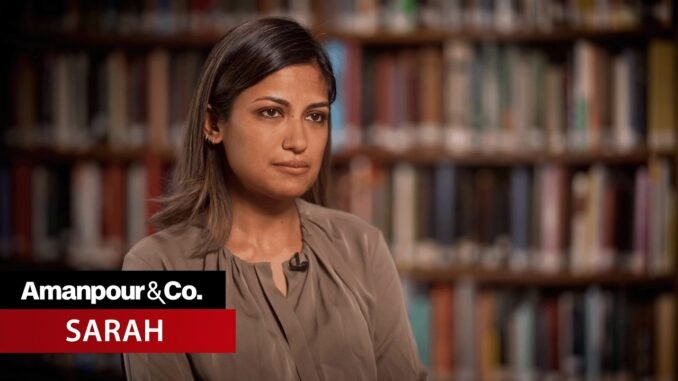
The accuser, a former intern who worked closely with Khan’s office, described a deeply disturbing encounter that left her paralysed with shock and fear.
“I felt that I was frozen and was unable to protest or stop him,” she recounted — words that will be painfully familiar to many Nigerian women and survivors across Africa who have spoken about the complicated reality of power, silence, and assault.
Her decision to go public comes after what sources describe as an intensive internal investigation, raising serious questions about how the ICC — an institution built entirely on the promise of justice — handles allegations of abuse within its own ranks.
Who Is Karim Khan?
For those who may not follow The Hague’s corridors closely, Karim Khan is a British-Pakistani lawyer who took over as ICC Chief Prosecutor in 2021. He has been the face of high-profile investigations ranging from Ukraine to Sudan — and notably, has been vocal about pursuing cases across Africa.
The irony is not lost on many observers: here is the man whose office decides who faces international justice, now himself at the centre of a misconduct storm.
Member Nations Prepare to Vote
With the allegations now public, the ICC’s Assembly of States Parties — the governing body made up of over 120 member countries, including Nigeria — is preparing to vote on whether Khan should be removed from his position.
This is not a small matter. Removing a sitting ICC Chief Prosecutor would be unprecedented in the court’s history, and the decision will likely reshape the institution’s credibility for decades to come.
Nigeria, as a State Party to the Rome Statute, holds a vote in this process — meaning this story is not just happening “somewhere abroad.” Nigeria has a direct stake in the outcome.
Why This Matters for Africa and Nigeria
Nigerians should pay close attention to this unfolding drama for several reasons:
– Africa and the ICC have a complicated history. Many African nations have accused the court of unfairly targeting African leaders while ignoring Western powers. This internal scandal gives fresh ammunition to those arguments.
– The #MeToo conversation is global. From Lagos to London, the pattern of powerful men silencing women through institutional power is one we know too well. This case is a reminder that no institution — not even the court of last resort — is immune.
– Accountability must start at home. An institution that cannot hold its own leadership accountable has very little moral authority to sit in judgment of heads of state elsewhere.
The Bigger Question: Can the ICC Survive This?
The ICC has already struggled with questions of relevance and fairness over the years. Several African Union members have threatened withdrawal. The United States has never ratified the Rome Statute. Russia and China remain outside its jurisdiction.
Now, with its own chief prosecutor facing a vote on removal over sexual misconduct allegations, the court faces perhaps its greatest legitimacy test yet.
If member nations vote to remove Khan, it will signal that even the highest offices in international law are not above accountability. If they don’t — despite credible allegations — it will confirm what many already suspect: that powerful institutions protect powerful men.
—
As Nigerians, we have seen this story play out in our workplaces, our universities, our churches, and our government offices. The only difference here is that the setting is The Hague. The dynamics — power, silence, fear, and the long road to speaking out — remain heartbreakingly the same.
This story is developing. We will continue to follow the ICC vote and updates on the allegations against Karim Khan.
For more information, check buzzUp9ja
Be the first to comment