
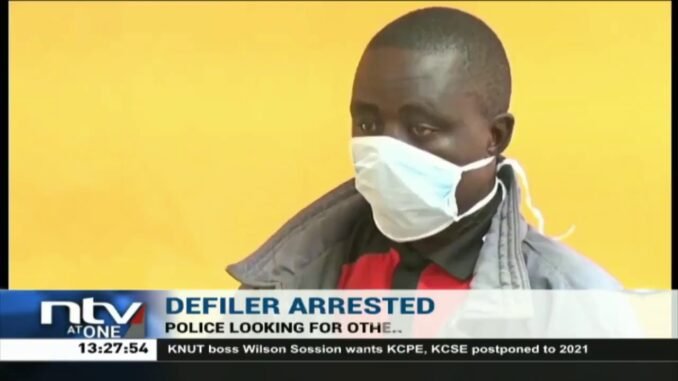

The Kebbi State Police Command has apprehended a 36-year-old security guard working at an Islamiyya school in Jega Local Government Area over allegations of defiling a 10-year-old female student.
This disturbing incident has once again brought to the fore the urgent need for stricter vetting processes and safeguarding measures in our educational institutions across Nigeria.
Details of the Arrest
According to reports from the Kebbi State Police Command, the suspect, whose identity is being withheld pending further investigation, was employed as a security personnel at the Islamic school. His primary responsibility was to ensure the safety and protection of students and school property—a trust he allegedly violated in the most grievous manner.
The Commissioner of Police in Kebbi State confirmed the arrest, stating that the command received a formal complaint regarding the alleged defilement of the minor. Swift action was taken to apprehend the suspect, who is currently in police custody assisting with investigations.
A Betrayal of Trust
This case represents a particularly heinous betrayal of trust. Parents send their children to school—whether conventional or Islamiyya—with the expectation that they will be safe and protected. Security guards, in particular, are employed specifically to safeguard students from external threats. When such individuals become the perpetrators of abuse, it undermines the very foundation of safety that schools are meant to provide.
The victim, a 10-year-old girl, is now receiving necessary support and counseling as investigations continue. The psychological trauma from such experiences can have long-lasting effects on young victims, making it crucial that she receives comprehensive care and support.
Rising Cases of Child Abuse in Nigerian Schools
Unfortunately, this incident in Kebbi is not isolated. Nigeria has witnessed a troubling increase in cases of child sexual abuse within educational settings in recent years. From Lagos to Kano, from Abuja to Port Harcourt, stories of teachers, school workers, and even fellow students perpetrating abuse against minors have dominated headlines.
These cases highlight critical gaps in our child protection systems:
– Inadequate background checks for school employees, including support staff
– Lack of safeguarding policies in many schools, particularly smaller private and religious institutions
– Poor supervision of interactions between adults and children in school environments
– Limited awareness among children about inappropriate behavior and how to report it
– Weak enforcement of existing child protection laws
What the Law Says
Under Nigerian law, specifically the Child Rights Act of 2003 (adopted by several states including Kebbi), sexual intercourse with a child under the age of 11 is considered rape, regardless of consent. The Violence Against Persons Prohibition (VAPP) Act also criminalizes sexual offenses against minors.
Conviction for defilement carries severe penalties, including lengthy imprisonment. However, many advocacy groups argue that enforcement remains weak, and perpetrators often escape justice due to corruption, social stigma that discourages reporting, and pressure on families to settle such matters “privately.”
Call for Stronger Protection Measures
Child rights advocates and concerned Nigerians are calling on educational authorities and school proprietors to implement stronger protection measures:
1. Comprehensive background checks for all school employees, including security personnel, cleaners, and drivers
2. Mandatory training on child safeguarding for all staff members
3. Clear reporting mechanisms that allow students to safely report inappropriate behavior
4. Regular supervision and monitoring of adults who have access to children
5. Age-appropriate education for students on personal safety and bodily autonomy
6. Swift and transparent investigation of all allegations
Religious schools, including Islamiyya institutions, must not be exempt from these standards. Every child, regardless of the type of school they attend, deserves protection.
Community Responsibility
Beyond institutional measures, parents and community members have a role to play. Open communication with children about their school experiences, observing changes in behavior that might indicate abuse, and creating safe spaces for children to share concerns are all critical.
Communities must also support survivors and their families rather than contributing to stigma that often silences victims. The shame belongs solely to perpetrators, not to innocent children who have been violated.
Investigation Ongoing
The Kebbi State Police Command has assured the public that thorough investigations are underway. The suspect will be charged to court once investigations are concluded.
This case serves as a stark reminder that vigilance must be constant when it comes to protecting our children. Every adult in a position of authority or trust around children must be held to the highest standards of conduct.
As this case progresses through the justice system, many Nigerians will be watching to ensure that justice is served and that this young victim receives the support she needs to heal and move forward.
—
If you or someone you know has experienced sexual abuse, please contact the National Human Rights Commission, Ministry of Women Affairs in your state, or local child protection services for assistance.
For more information, check buzzUp9ja
Be the first to comment