
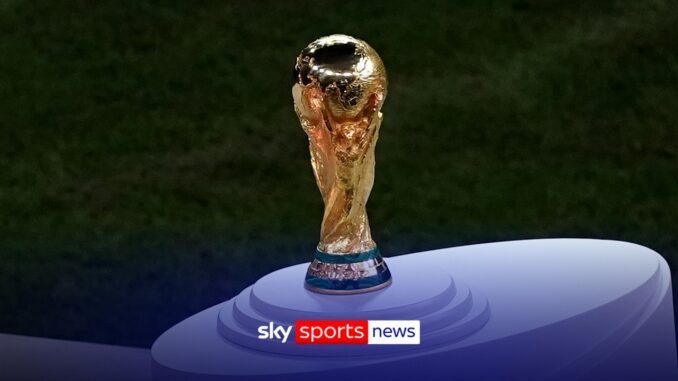

Summary: FIFA rejects Iran’s plea to relocate 2026 World Cup matches from USA to Mexico. Find out why this decision matters for the global football tournament and what it means for participating nations.
—
In a move that has sent ripples through the international football community, FIFA has officially turned down a request from the Football Federation Islamic Republic of Iran to shift its 2026 World Cup group stage matches from the United States to Mexico.
This decision comes at a time when diplomatic tensions between Iran and the United States have reached critical levels, making the upcoming World Cup one of the most politically charged tournaments in recent history.
The Background: Why Iran Wanted to Move
Iran’s football federation had approached FIFA with concerns about hosting their matches on American soil, citing ongoing geopolitical friction between Tehran and Washington. The request sought to have all their group stage games moved to Mexico, one of the three co-hosts of the 2026 World Cup alongside the USA and Canada.
For those of us following international football here in Nigeria, we understand that sports and politics sometimes collide, especially when it comes to major tournaments like the World Cup. Remember when our own Super Eagles have faced similar challenges with visa issues and travel restrictions? This situation with Iran takes those complications to another level entirely.
FIFA’s Firm Stance
The world football governing body has made it clear that the tournament structure will remain as planned. FIFA’s position is that all participating nations agreed to the hosting arrangement when they entered the qualification process, and changing venues for individual teams would set a dangerous precedent.
This decision means that Iranian players and officials will need to obtain the necessary travel documentation and permissions to enter the United States for their World Cup fixtures—no small feat given the current state of relations between the two countries.
What This Means for the 2026 World Cup
The 2026 FIFA World Cup will be the first edition to feature 48 teams instead of the traditional 32, making it the biggest World Cup in history. With matches spread across three North American countries, logistical planning has already been complex enough without accommodating last-minute venue changes.
Nigeria’s football fans know all too well the importance of proper preparation and planning for major tournaments. Our Super Eagles have always had to navigate various challenges to represent the nation on the global stage, so we can appreciate the complexities involved in organizing such a massive event.
The Bigger Picture
This decision by FIFA sends a strong message: the World Cup is meant to unite nations through football, regardless of political differences. While we Nigerians have seen our fair share of sports being affected by politics—from Olympic boycotts to continental competitions—the principle remains that once you qualify, you play where the tournament is hosted.
The Iranian situation also highlights the unique challenges faced by nations with strained international relations. For a football-loving country like Nigeria, where we see sports as a unifying force that transcends tribal, religious, and regional differences, it’s interesting to watch how global politics can complicate something as beautiful as the World Cup.
What Happens Next?
With FIFA’s rejection now official, Iran will need to work with American authorities to ensure their team, coaching staff, and officials can enter the USA for their matches. This will likely involve diplomatic negotiations and special arrangements—processes that could take months to finalize.
For Nigerian football fans planning to attend the 2026 World Cup (and we know many of you are already saving up!), this serves as a reminder of the importance of early visa applications and proper travel documentation. The last thing any football fan wants is to miss out on the action due to paperwork issues.
Final Thoughts
As we continue to cheer for our beloved Super Eagles and hope they qualify for the 2026 edition (fingers crossed!), the Iran-USA situation reminds us that the World Cup is more than just football—it’s a global event that brings together nations with all their complexities, histories, and relationships.
FIFA’s decision to keep Iran’s matches in the United States may be controversial, but it upholds the integrity of the tournament structure and reinforces the idea that football should rise above political disputes.
What do you think about FIFA’s decision? Should sports always remain separate from politics, or are there times when special accommodations should be made? Share your thoughts in the comments below!
Stay tuned to our blog for more updates on the 2026 World Cup and all things Nigerian football!
—
Keep following us for the latest football news, Super Eagles updates, and everything happening in the beautiful game both at home and abroad.
Follow for more sport news on buzzUp9ja
Be the first to comment