
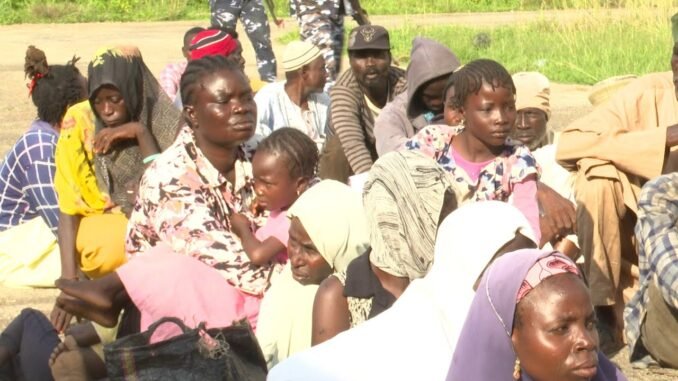

The Federal Capital Territory Administration (FCTA) has raised serious concerns about a disturbing trend in Nigeria’s capital city: beggars and destitute persons are increasingly being recruited by criminal syndicates to transport illegal drugs across Abuja.
This shocking revelation exposes a new dimension to the city’s security challenges, as vulnerable individuals living on the streets are now being exploited by drug trafficking networks operating within the FCT.
Criminals Targeting Society’s Most Vulnerable
According to the FCTA, organized criminal groups have identified beggars and homeless persons as ideal couriers for their illicit operations. These vulnerable individuals, often struggling with poverty and lack of social support, become easy targets for manipulation by drug cartels seeking to evade law enforcement.
The administration’s concern highlights a troubling reality: those who should be receiving help and rehabilitation are instead being drawn deeper into crime, creating a vicious cycle that affects both the individuals involved and the broader security of Abuja residents.
Why Beggars Make “Ideal” Drug Couriers
Security experts suggest that criminals prefer using beggars as drug mules for several strategic reasons:
– Low Suspicion: Beggars typically attract less attention from security operatives, making them less likely to be stopped and searched
– Desperation: Extreme poverty makes these individuals more willing to take risks for small amounts of money
– Expendability: Criminal networks view them as disposable, with little concern for their welfare if caught
– Mobility: Beggars move freely across different parts of the city without raising suspicion
Growing Security Challenge in the FCT
This development adds another layer to Abuja’s ongoing battle with crime and insecurity. The FCT has been grappling with various criminal activities, including kidnapping, armed robbery, and now, increasingly sophisticated drug trafficking operations that exploit the most vulnerable members of society.
The FCTA’s revelation suggests that criminal networks in the capital are becoming more organized and creative in their methods, using social vulnerabilities as cover for illegal activities.
Implications for Abuja Residents
For ordinary Abuja residents, this trend raises important questions about urban poverty, social welfare, and community safety. The presence of beggars on city streets is no longer just a social welfare issue—it has become intertwined with organized crime and drug trafficking.
This situation also complicates the relationship between the public and street beggars, as some individuals genuinely in need may now be viewed with suspicion due to the actions of criminal elements.
The Need for Comprehensive Solutions
Addressing this problem will require more than just increased security measures. Experts argue that the FCTA must adopt a holistic approach that includes:
– Rehabilitation Programs: Establishing centers where beggars and destitute persons can receive help, vocational training, and support
– Social Intervention: Creating pathways out of street begging through skills acquisition and employment opportunities
– Enhanced Security: Increased surveillance and intelligence gathering to dismantle the criminal networks exploiting these vulnerable persons
– Public Awareness: Educating residents about the complexity of street begging and discouraging direct almsgiving that may inadvertently support criminal activities
What the Authorities Are Doing
While the FCTA has raised the alarm, the effectiveness of the response will depend on coordinated action between various agencies, including the FCT Social Development Secretariat, the police, the National Drug Law Enforcement Agency (NDLEA), and community stakeholders.
The administration’s acknowledgment of this problem is a first step, but Abuja residents will be watching closely to see what concrete measures follow this revelation.
A Wake-Up Call for Nigeria’s Cities
The situation in Abuja is likely not unique. As Nigeria’s urban centers continue to grow, so too does the population of vulnerable street dwellers who can be exploited by criminal elements. This makes the FCTA’s warning relevant not just for Abuja, but for Lagos, Port Harcourt, Kano, and other major cities across the country.
The exploitation of beggars as drug couriers is a symptom of deeper societal challenges—poverty, unemployment, inadequate social safety nets, and the growing sophistication of criminal networks. Addressing it effectively will require Nigeria to confront these underlying issues head-on.
As this situation develops, residents are encouraged to report suspicious activities to relevant authorities while also supporting legitimate initiatives aimed at helping vulnerable persons escape the cycle of poverty and exploitation.
For more information, check buzzUp9ja
Be the first to comment