
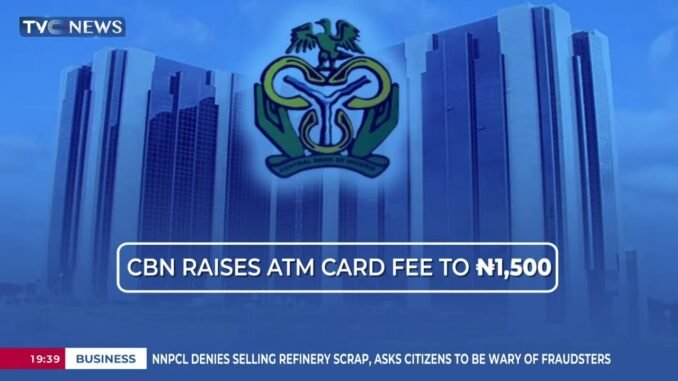

Summary: The Central Bank of Nigeria has announced new banking charges, increasing ATM card issuance fees to ₦1,500 while eliminating annual maintenance charges. Here’s what Nigerian bank customers need to know.
—
If you’ve been planning to get a new ATM card or replace your old one, you might want to check your account balance first. The Central Bank of Nigeria (CBN) has just announced some significant changes to banking charges that will affect millions of Naija account holders.
What’s Changed?
The apex bank has increased the fee for issuing or replacing debit and credit cards from ₦1,000 to ₦1,500. This 50% increase is part of a revised framework governing bank charges across the country.
Before you start complaining sha, there’s actually some good news mixed in with this announcement.
The Silver Lining: Say Goodbye to Annual Card Maintenance Fees
Here’s where it gets interesting – the CBN has completely scrapped the annual card maintenance charge that banks used to deduct from customer accounts. You know that annoying ₦50 charge that would mysteriously disappear from your account every year? That one is now history!
For many Nigerians who have held their cards for years, this elimination of maintenance fees could actually save money in the long run. Think about it: if you keep your card for more than three years, you’re already saving compared to the old system.
What This Means for Your Pocket
Let’s break down the mathematics:
Old System:
– Card issuance: ₦1,000
– Annual maintenance: ₦50 per year
– Total cost over 5 years: ₦1,250
New System:
– Card issuance: ₦1,500
– Annual maintenance: ₦0
– Total cost over 5 years: ₦1,500
So while the upfront cost is higher, you won’t be dealing with those recurring charges that add up over time.
Why Is CBN Doing This?
The Central Bank’s revised framework is part of ongoing efforts to standardize banking operations across Nigeria and provide more transparency in bank charges. By eliminating recurring fees and consolidating costs upfront, customers can better understand and plan for banking expenses.
This move also reflects the realities of card production and technology costs in today’s economy, where inflation and foreign exchange challenges have affected the cost of card materials and infrastructure.
What Should You Do Now?
If your card is still working fine: There’s no need to rush to replace it. Keep using it until it expires or gets damaged. You won’t be charged any annual maintenance fee, so you’re already benefiting from the new policy.
If you need a new card: Budget ₦1,500 for the issuance fee, but rest assured you won’t face recurring charges afterward.
If you’ve lost your card: Unfortunately, you’ll need to pay the new ₦1,500 replacement fee, so try to keep your card safe to avoid unnecessary expenses.
The Bigger Picture
This policy change is just one of several adjustments the CBN has been making to Nigeria’s banking sector. From cashless policy implementations to improved digital banking infrastructure, the apex bank continues to shape how we interact with our money.
As Nigeria moves increasingly toward a digital economy, these changes reflect the evolving cost structures of maintaining modern banking services. The elimination of maintenance fees particularly benefits customers who prefer holding onto their cards for extended periods, while the increased issuance fee ensures banks can provide quality card products.
Final Thoughts
While nobody enjoys paying higher fees, the scrapping of annual maintenance charges is a welcome development for long-term card users. The key takeaway? Take good care of your ATM card to avoid paying that ₦1,500 replacement fee, and enjoy the benefit of no more annual deductions.
What do you think about this new policy? Is it a fair trade-off? Share your thoughts in the comments below!
—
Stay updated on buzzUp9ja with the latest banking news and financial tips by subscribing to our newsletter. Your money matters, and we’re here to help you make informed decisions.
Be the first to comment