
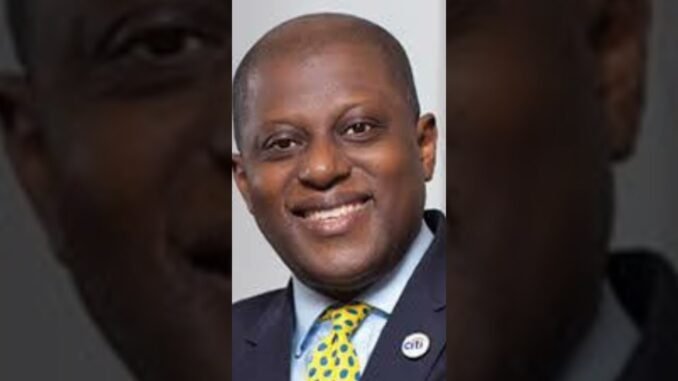

Summary: CBN Governor Olayemi Cardoso firmly rejects calls for return to old intervention programmes, emphasizing market-driven policies and economic stability for Nigeria’s financial future.
The Central Bank of Nigeria (CBN) has drawn a line in the sand. Governor Olayemi Cardoso has made it crystal clear that the apex bank will not be returning to the intervention programmes that characterized previous administrations—policies he says distorted the Nigerian market and created more problems than solutions.
A New Direction for Nigeria’s Central Bank
In a firm statement that signals a decisive shift in monetary policy direction, Cardoso cautioned stakeholders against mounting pressure on the CBN to resurrect old intervention strategies. His message is unambiguous: those days are over.
For years, Nigerians watched as the CBN under previous leadership rolled out numerous intervention programmes across various sectors—from agriculture to manufacturing, aviation to power. While these initiatives were designed with good intentions, their implementation often led to unintended consequences that rippled through the economy.
Why the Change Matters to Every Nigerian
Governor Cardoso’s stance represents more than just policy talk; it affects every Nigerian’s pocket, from the trader in Onitsha Market to the tech entrepreneur in Yaba, and from the farmer in Kano to the banker in Victoria Island.
The previous intervention model often meant:
– Artificial exchange rates that created parallel markets and encouraged round-tripping
– Selective access to foreign exchange that bred corruption and favoritism
– Market distortions that made it difficult for genuine businesses to plan effectively
– Inflation pressures that eroded the purchasing power of ordinary Nigerians
What This Means Going Forward
The CBN governor’s position suggests a return to orthodox monetary policy—letting market forces determine prices, exchange rates, and resource allocation. This approach, while potentially painful in the short term, aims to create a more sustainable and transparent economic environment.
For businesses, this means:
– Greater predictability in planning and operations
– A level playing field for all market participants
– Reduced opportunities for arbitrage and sharp practices
For everyday Nigerians, the implications include:
– More realistic exchange rates (though potentially higher initially)
– Better chances of accessing foreign exchange through official channels
– Long-term economic stability over short-term fixes
The Road Ahead
Cardoso’s declaration comes at a critical time when Nigeria faces multiple economic challenges—from naira volatility to inflation concerns, and from food security issues to energy costs. The temptation to reach for quick-fix interventions is understandable, but the CBN governor appears resolute in his commitment to sustainable, market-based solutions.
The question now is whether other arms of government and the private sector will align with this philosophy, or whether the pressure for immediate relief will test the governor’s resolve.
What Nigerians Should Watch
As this policy direction takes hold, citizens should monitor:
1. Exchange rate movements and the narrowing (or widening) of the gap between official and parallel market rates
2. Inflation trends and how they affect everyday goods and services
3. Foreign exchange availability through legitimate banking channels
4. Economic growth indicators that show whether the new approach is yielding results
Governor Cardoso’s stance may not win him immediate popularity—especially among beneficiaries of previous intervention schemes—but it signals a commitment to building a more resilient Nigerian economy for the long haul.
The real test will be in the implementation and whether the CBN can maintain this discipline when political and economic pressures mount. For now, one thing is certain: the era of market-distorting interventions, according to Cardoso, is firmly in the past.
What do you think about the CBN’s new direction? Will market-driven policies work better for Nigeria’s economy? Share your thoughts in the comments below.
Check buzzUp9ja for more updates
Be the first to comment