
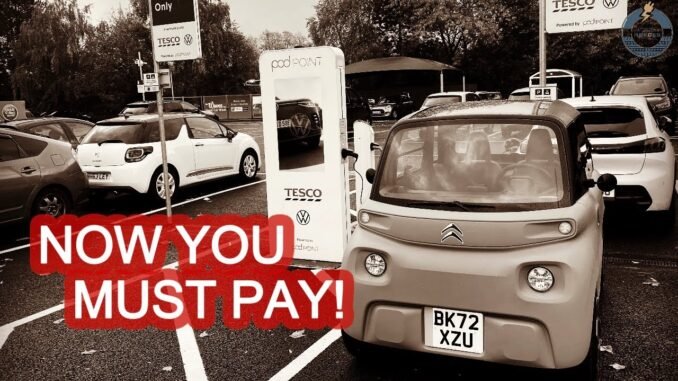

If you own an electric motorcycle or any electric vehicle and you have been plugging into university sockets at Bayero University Kano (BUK) like there is no tomorrow — your free ride is officially over.
The management of BUK has placed a firm ban on the charging of privately owned electric motorcycles and other electric vehicles across all its campuses. The reason? The skyrocketing cost of electricity that is hitting every Nigerian institution hard right now.
What Exactly Did BUK Say?
The university management made it clear that the surge in people using campus power outlets to charge their personal electric vehicles has been putting serious pressure on the institution’s electricity bill. With the way electricity tariffs have been going up across Nigeria — especially following the recent hike by the Nigerian Electricity Regulatory Commission (NERC) — it is not hard to understand why BUK had to draw the line.
In a country where light bills have become a source of genuine pain for households and businesses alike, universities are not immune. BUK management essentially said, “This campus is not EEDC or KEDCO — we cannot be charging everybody’s keke and okada for free.”
The Rise of Electric Motorcycles in Kano
This ban tells a bigger story. It is actually a sign of how rapidly electric motorcycles — locally called e-bikes* or electric *achaba — have been gaining popularity in Kano and across Northern Nigeria. What was once a novelty is now a common sight on Nigerian roads, with more riders making the switch from petrol-powered bikes to electric alternatives, largely because of the brutal fuel prices Nigerians have been dealing with since the removal of the fuel subsidy.
Many of these riders had apparently found a clever workaround — ride to campus, plug in, and charge up for free while going about their business. Sharp move, honestly. But the university has now put a stop to it.
Why This Matters for Nigerians
This development touches on a much wider conversation happening across Nigeria right now:
– Electricity costs are genuinely unsustainable for many institutions, businesses, and individuals
– The electric vehicle transition, while promising, comes with infrastructure challenges Nigeria is not yet fully prepared for
– Public charging infrastructure is virtually nonexistent in most Nigerian cities, which is why people resort to plugging into wherever they can find a socket
Until proper, dedicated EV charging stations are established in Kano and other Nigerian cities, stories like this will keep emerging. Riders will keep looking for where to charge, and institutions will keep getting frustrated with their electricity bills.
The Takeaway
BUK’s decision is completely understandable given the current economic climate. No institution can afford to silently absorb the electricity costs of hundreds of private vehicle owners. However, it also highlights an urgent need — Nigeria must begin investing seriously in public EV charging infrastructure if we truly want to encourage the adoption of cleaner, more affordable transportation.
For now, if you are an electric bike rider around BUK, you better find another charging spot — because the university has made it clear: this socket is not for you.
Check for more news on buzzUp9ja
Be the first to comment