
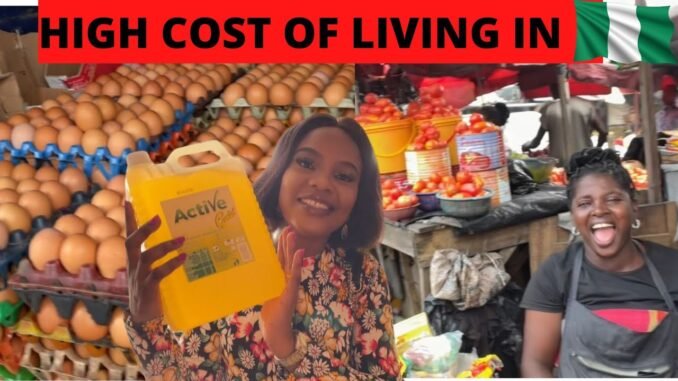

Summary: A returnee who relocated from the UK to Nigeria shares shocking revelations about the true cost of living back home. Her viral post has Nigerians talking about economic realities.
—
When Nkemdilim Melissa Okani made the bold decision to relocate from the United Kingdom back to Nigeria, she probably had dreams of affordable living, cultural reconnection, and perhaps escaping the infamous British cold. Ten months later, she’s singing a completely different tune – and her story is one that many returnees can relate to.
In a candid Facebook post that has since gone viral, Melissa shared what many Nigerians already know but few want to admit: the cost of living in Nigeria has become outrageously expensive, possibly even surpassing what many experience in the UK.
The Grass Isn’t Always Greener
For years, Nigerians in the diaspora have harbored the dream of returning home, often believing that their foreign currency would stretch far and provide a comfortable lifestyle. The narrative has always been simple: earn in pounds or dollars, spend in naira, and live like royalty.
But Melissa’s experience tells a different story – one that reflects the harsh economic realities facing Nigeria today.
What Makes Nigeria So Expensive?
While Melissa’s full breakdown wasn’t detailed in the initial report, anyone living in Nigeria today can fill in the blanks:
Fuel Costs: With petrol prices skyrocketing following subsidy removal, transportation costs have become a significant burden for every household.
Food Inflation: A bag of rice that once cost ₦20,000 now goes for upwards of ₦70,000 or more. Even basic provisions like bread, eggs, and vegetable oil have seen prices triple in some cases.
Electricity Bills: Between estimated billing from DISCOs and the constant need to fuel generators due to epileptic power supply, keeping the lights on has become a luxury.
Housing: Rent in major cities like Lagos, Abuja, and Port Harcourt can easily rival or exceed what you’d pay in some UK cities – and that’s without the infrastructure to match.
Security: Many middle-class Nigerians now budget for private security, estate fees, and other safety measures that weren’t as necessary a decade ago.
The Hidden Costs of “Affordable” Nigeria
What makes Nigeria’s high cost of living particularly frustrating is the quality-to-price ratio. In the UK, high prices often come with:
– Reliable electricity 24/7
– Functional public transportation
– Quality healthcare through the NHS
– Well-maintained roads
– Social safety nets
In Nigeria, you’re often paying premium prices for substandard services or having to create your own infrastructure – buying generators, sinking boreholes, hiring private security, and paying for private healthcare.
The Diaspora Dilemma
Melissa’s experience highlights a growing conversation within the Nigerian diaspora community. The romanticism of “going back home” is increasingly being confronted with harsh economic realities.
Many returnees find themselves in a difficult position:
– Savings that seemed substantial abroad evaporate quickly
– Job opportunities don’t always match UK salaries
– The naira’s continuous devaluation erodes purchasing power
– Daily expenses pile up faster than anticipated
Is It All Bad News?
Despite the challenges, many Nigerians who’ve relocated from abroad still find value in being home:
– Connection to family and culture
– Business opportunities in emerging sectors
– Escape from discrimination and racism
– The incomparable Nigerian spirit and resilience
– Certain lifestyle luxuries (domestic help, for instance) remain relatively affordable
What Can Potential Returnees Learn?
If you’re considering relocating to Nigeria from abroad, Melissa’s experience offers valuable lessons:
1. Do Thorough Research: Don’t rely on nostalgia or decade-old information. Understand current economic realities.
2. Have a Solid Financial Plan: Ensure you have sustainable income that accounts for inflation and currency fluctuation.
3. Factor in Hidden Costs: Budget for generators, security, healthcare, and creating your own infrastructure.
4. Start with Extended Visits: Test the waters with longer stays before making permanent moves.
5. Build Multiple Income Streams: Diversify your earnings, preferably including foreign currency income.
The Bigger Picture
Melissa’s lament is more than just one woman’s complaint – it’s a reflection of Nigeria’s broader economic challenges. With inflation rates soaring, currency devaluation, and purchasing power eroding daily, many Nigerians are struggling regardless of whether they’re returnees or never left.
Her story has sparked important conversations on social media about:
– Government economic policies
– The true state of Nigeria’s economy
– The sustainability of the “relocate back home” dream
– What needs to change for Nigeria to become genuinely affordable
Final Thoughts
Nkemdilim Melissa Okani’s honest sharing of her experience serves as both a reality check and a conversation starter. While Nigeria will always be home for millions, the economic challenges facing the country cannot be ignored or romanticized away.
For those in the diaspora dreaming of return, let this be a wake-up call: come home with your eyes wide open, your finances well-planned, and realistic expectations. The Nigeria of today requires serious preparation, not just patriotic enthusiasm.
And for those of us already here navigating these challenging times – well, we can only hope and work toward the day when living in Nigeria becomes genuinely affordable again, regardless of where our pounds and dollars were earned.
What’s your experience with Nigeria’s cost of living? Have you relocated from abroad and faced similar challenges? Share your thoughts in the comments.
—
Stay connected on buzzUp9ja for more real talk about life in Nigeria – the good, the bad, and the expensive.
Be the first to comment