
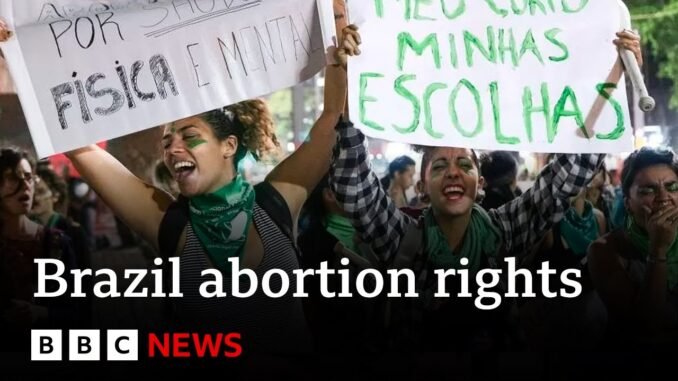

Brazilian lawmakers have shocked human rights advocates worldwide by voting to severely restrict abortion access for underage victims of sexual violence, following a shockingly brief debate that lasted less than two minutes.
The Swift and Controversial Decision
In a move that has drawn international condemnation, Brazil’s Congress pushed through legislation that makes it significantly more difficult for child rape victims to obtain legal abortions. The lightning-fast vote, which gave legislators barely enough time to understand the full implications of the bill, has raised serious questions about democratic process and the protection of vulnerable children.
For Nigerians watching this development, the situation may feel uncomfortably familiar. Both Nigeria and Brazil share similar challenges when it comes to protecting women and girls from sexual violence, and both nations have ongoing debates about reproductive rights within largely religious societies.
What This Means for Young Victims
The new restrictions create additional barriers for children who have already suffered unimaginable trauma. These young victims, many already dealing with the psychological and physical aftermath of sexual assault, will now face even more hurdles in accessing medical care that could be crucial for their health and future.
In Nigeria, where abortion laws remain highly restrictive—only permitted when the mother’s life is at risk—advocates have long argued that such limitations disproportionately affect the poor and vulnerable. Brazil’s move suggests a concerning trend in Latin America’s largest nation, which previously had more progressive policies for rape victims.
The Broader Context
Brazil, like Nigeria, is a nation where religious beliefs significantly influence public policy. The country has a strong Catholic and evangelical Christian population, groups that have historically opposed abortion rights. However, critics argue that restricting access to safe medical procedures doesn’t stop abortions—it only makes them more dangerous.
According to health experts, when legal abortion services become inaccessible, desperate women and girls often turn to unsafe alternatives, leading to preventable deaths and injuries. This is a reality many Nigerian women know too well, as unsafe abortions remain a significant cause of maternal mortality across Africa.
Regional Implications
This development in Brazil sends ripples across the developing world. When major nations roll back protections for rape victims, it can embolden similar movements elsewhere. For Nigerian activists working to expand reproductive healthcare access and protect survivors of sexual violence, Brazil’s regression serves as a cautionary tale.
The brief debate preceding the vote—less than two minutes—has particularly alarmed observers. Such hasty lawmaking on matters affecting the lives of vulnerable children raises questions about whether legislators fully considered the humanitarian implications of their decision.
What Advocates Are Saying
Human rights organizations have strongly condemned the vote, arguing that it prioritizes ideology over the wellbeing of child rape victims. They point out that forcing young girls to carry pregnancies resulting from sexual violence compounds their trauma and can have devastating long-term effects on their physical and mental health, education, and future prospects.
For many Nigerians, especially those working in civil society and women’s rights organizations, Brazil’s situation highlights the ongoing global struggle to protect women and girls from the consequences of sexual violence while navigating complex cultural and religious landscapes.
The Path Forward
As Brazil implements these new restrictions, the world will be watching to see their impact on child welfare and maternal health statistics. The outcome may influence policy debates in other nations, including Nigeria, where conversations about reproductive rights and sexual violence continue to evolve.
This development serves as a reminder that progress on women’s rights is never guaranteed and requires constant vigilance from advocates, policymakers, and citizens who believe in protecting the most vulnerable members of society.
The question remains: In societies where children are victims of horrific crimes, should they face additional barriers to medical care, or should their wellbeing be the primary concern? Brazil’s answer to this question may reverberate far beyond its borders.
Stay tuned for more details on buzzUp9ja
Be the first to comment