
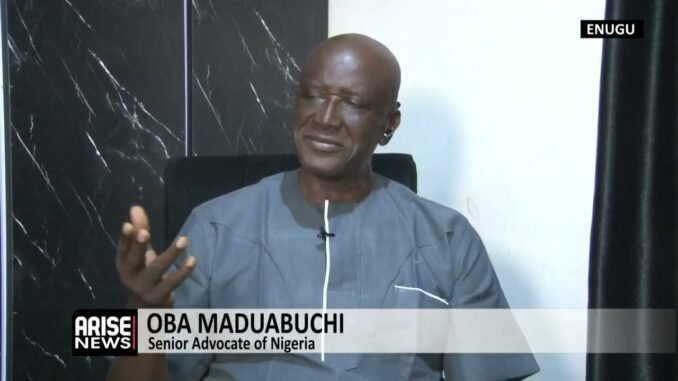

The Court of Appeal in Abuja has overturned the Federal High Court ruling that had earlier nullified INEC’s timetable for the 2027 general elections — and this is a big deal for Nigeria’s democratic process.
—
If you’ve been following Nigerian political news, you’ll know that things rarely move in a straight line. Just when INEC set out its timetable for the 2027 general elections, a Federal High Court judgment came along and threw a spanner in the works by nullifying it entirely. But in a significant twist, the Court of Appeal in Abuja has now stepped in to restore that timetable, setting aside the lower court’s decision.
What Happened?
The Independent National Electoral Commission (INEC) had released its official timetable for the 2027 general elections — a roadmap that would guide everything from voter registration to candidate screening and, ultimately, the conduct of the elections themselves.
However, a Federal High Court judgment nullified that timetable, throwing the entire electoral planning process into uncertainty. For many Nigerians already anxious about the 2027 polls, it raised serious concerns about whether the country’s electoral body would have enough time to adequately prepare.
Then came the intervention of the Court of Appeal in Abuja, which has now set aside that Federal High Court ruling and restored INEC’s original timetable.
Why Does This Matter to You?
For the average Nigerian — whether you’re a trader in Onitsha, a civil servant in Abuja, a student in Ibadan, or a farmer in Kano — elections directly affect your life. The government that emerges from 2027 will determine fuel prices, the state of roads, hospital conditions, school funding, and so much more.
A stable and well-planned electoral timetable means:
– INEC can prepare adequately — from deploying BVAS machines to training ad-hoc staff
– Political parties get enough time to organise their primaries and present credible candidates
– Voters can plan ahead — including Nigerians in the diaspora and those who need to update their voter registration details
– Election observers and civil society groups can mobilise resources for proper monitoring
The Bigger Picture
This back-and-forth between the courts is a reminder of how fragile electoral planning can be in Nigeria. While the judiciary remains a critical pillar of democracy, constant litigation that disrupts INEC’s operations can undermine public confidence in the electoral process.
The restoration of the timetable by the Appeal Court is, at least for now, a step in the right direction. It signals that Nigeria’s 2027 elections remain on track — and that INEC can continue its preparations without further legal disruptions (fingers crossed!).
What’s Next?
With the timetable now restored, Nigerians should begin paying attention to key milestones in the electoral calendar. If your name is not yet on the voters’ register, now is the time to start thinking about that. If you’re passionate about good governance, now is also the time to engage with the political process — whether by supporting credible candidates, joining electoral observer groups, or simply staying informed.
2027 is closer than you think. The time to pay attention is now.
—
Stay with buzzUp9ja for more updates on Nigeria’s political landscape and the road to 2027.
Be the first to comment