
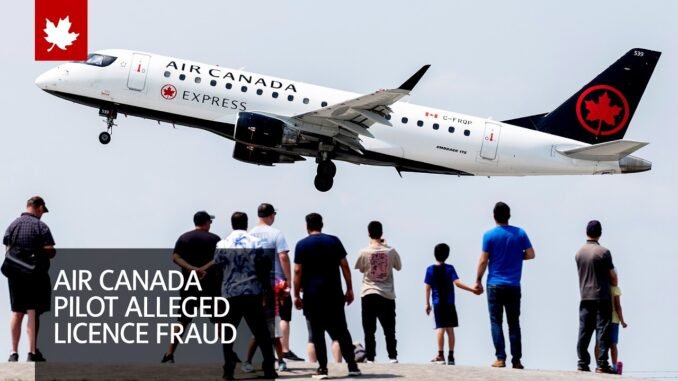

In what can only be described as a shocking breach of aviation safety protocols, a former Air Canada pilot is now facing serious criminal charges after allegedly operating commercial passenger aircraft for nearly two decades without possessing a valid pilot’s licence.
The Unbelievable Discovery
Geoffrey Wall, a pilot from Barrie, Ontario, has been charged by Canadian police following revelations that sent shockwaves through the aviation industry. According to authorities who made the announcement on Tuesday, June 9, Wall allegedly flew passenger planes throughout his career without the proper licensing credentials required for commercial aviation.
The scale of this alleged deception is staggering—Wall reportedly piloted approximately 900 commercial flights over a 17-year period, carrying thousands of unsuspecting passengers who trusted their lives to what they believed was a fully qualified and licensed professional.
How Could This Happen?
For Nigerians familiar with our own aviation sector’s occasional lapses in regulatory oversight, this Canadian case raises troubling questions that resonate globally: How did someone operate as a commercial airline captain for nearly two decades without proper verification of their credentials?
Air Canada, one of the world’s major airlines and Canada’s flag carrier, now faces serious questions about its hiring practices, verification procedures, and ongoing credential monitoring systems. The airline has not yet issued a comprehensive statement addressing these concerns.
Implications for Aviation Safety
This case serves as a wake-up call for aviation authorities worldwide, including Nigeria’s Civil Aviation Authority (NCAA). If such a breach could occur at a major international carrier in a developed country with supposedly strict regulatory frameworks, what safeguards exist in other jurisdictions?
Aviation safety depends on multiple layers of verification and qualification. Pilots must:
– Complete extensive flight training hours
– Pass rigorous theoretical examinations
– Obtain medical certifications
– Maintain current licenses through regular testing
– Undergo periodic competency checks
The fact that Wall allegedly circumvented all these requirements for 17 years suggests systemic failures in verification processes.
What This Means for Passengers
For the average traveler—whether flying from Lagos to Abuja or embarking on international routes—this story is deeply unsettling. We board aircraft with the fundamental assumption that everyone in the cockpit has met the highest standards of training and certification.
This case demonstrates that trust must be backed by robust verification systems. Airlines cannot simply rely on documents presented during hiring; they must implement ongoing verification with licensing authorities.
The Legal Consequences
While specific charges against Wall have not been fully detailed in initial reports, flying without proper licensing typically carries severe penalties, including:
– Criminal charges related to fraud and endangerment
– Substantial fines
– Imprisonment
– Permanent ban from aviation industry
– Potential civil lawsuits from affected parties
The investigation is ongoing, and more details are expected to emerge as Canadian authorities continue their probe.
Lessons for Nigerian Aviation
This scandal offers important lessons for Nigeria’s aviation sector, which has made significant strides in safety standards in recent years:
1. Continuous Verification: Airlines must regularly verify pilot credentials with licensing authorities, not just at hiring
2. Digital Systems: Modern database systems should make it easier to confirm licensing status in real-time
3. Whistleblower Protections: Colleagues who suspect irregularities must have safe channels to report concerns
4. International Cooperation: Aviation authorities across borders must share information about suspended or fraudulent licenses
Moving Forward
As this investigation unfolds, the aviation industry must confront uncomfortable questions about how such a deception remained undetected for so long. While Wall’s alleged actions are exceptional and not representative of the vast majority of professional, properly licensed pilots, they expose vulnerabilities in the system.
For passengers everywhere, including Nigerians who frequently travel both domestically and internationally, this serves as a reminder that aviation safety requires constant vigilance from regulators, airlines, and even passengers themselves.
Air Canada and other carriers worldwide will likely review and strengthen their credential verification processes in response to this scandal. The hope is that this shocking case becomes a catalyst for positive change that makes air travel even safer for everyone.
As investigations continue, more details will undoubtedly emerge about how Geoffrey Wall allegedly managed this extraordinary deception—and more importantly, what measures will be implemented to ensure it never happens again.
—
What are your thoughts on this shocking aviation scandal? Should airlines face penalties when employees are found operating without proper credentials? Share your views in the comments below.
Check for more news on buzzUp9ja
Be the first to comment