
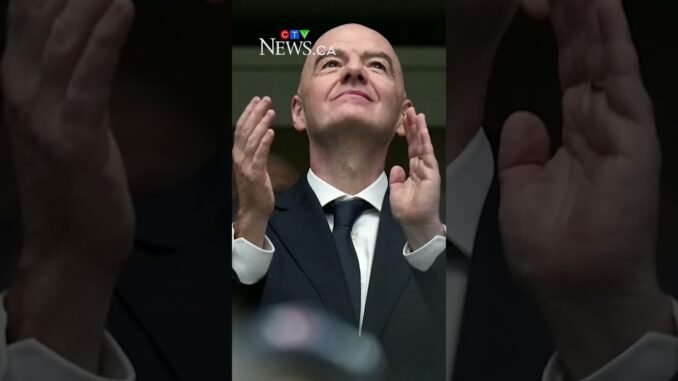

The Asian Football Confederation has added its voice to the chorus of opposition against FIFA’s controversial plan to bring private investors into the World Cup — and the resistance is growing louder by the day.
The Asian Football Confederation (AFC) has become the third major football body to publicly oppose FIFA’s ambitious — and highly controversial — plan to sell a stake in the World Cup to private investors. In a strongly worded statement released on Friday, the AFC joined UEFA and CONCACAF in pushing back against a move that critics say could fundamentally alter the soul of the beautiful game.
What Exactly Is FIFA Trying to Do?
FIFA, the global governing body of football, has been exploring plans to bring in private investment into the World Cup — essentially selling a financial stake in football’s biggest tournament to outside investors. The idea is part of a broader strategy to generate more revenue and expand the commercial reach of the game.
But for many football confederations around the world, this is a step too far. The World Cup, they argue, is not just a money-making machine — it is a global institution that belongs to football and its fans, not to private equity firms or billionaire investors.
Three Down, More May Follow
With the AFC’s opposition, three of FIFA’s six continental confederations have now publicly rejected the proposal:
– UEFA (Europe) — the most powerful confederation in world football
– CONCACAF (North and Central America and the Caribbean)
– AFC (Asia) — the latest to join the resistance
This is no small matter. Together, these three confederations represent a significant portion of the global football community — and their combined opposition puts serious pressure on FIFA President Gianni Infantino to either rethink or abandon the plan entirely.
Why This Matters for African Football — and Nigeria
You might be wondering: where does Africa — and by extension Nigeria — stand in all of this?
The Confederation of African Football (CAF) has not yet made a formal statement opposing the plan. But make no mistake, Nigerian football lovers and African football stakeholders should be paying close attention.
Nigeria has consistently been one of the most passionate football nations on the continent. The Super Eagles have graced the World Cup stage multiple times, and millions of Nigerians tune in religiously every four years to watch the tournament. If private investors gain a financial stake in the World Cup, it could mean:
– Higher broadcasting costs, potentially making it harder for African broadcasters to afford rights
– Commercial decisions driven by profit, rather than the development of football in emerging markets like Nigeria
– A shift in priorities away from grassroots football development towards maximising investor returns
The Bigger Picture
At the heart of this debate is a fundamental question: Who does football belong to?
FIFA’s leadership, under Gianni Infantino, has been increasingly bold in pursuing commercial expansion. From the controversial expanded Club World Cup to discussions about a biennial World Cup, there has been a persistent feeling among many football purists that the game’s soul is being traded for naira — or dollars, or euros.
The confederations opposing this plan are essentially drawing a line in the sand, saying: this is where commercialisation must stop.
What Happens Next?
The growing opposition from major confederations makes it increasingly difficult for FIFA to push this plan through without significant backlash. FIFA’s Congress — which includes all 211 member associations — would likely need to weigh in on any major structural changes of this nature.
For now, the rebellion continues to grow. And if CAF and the remaining confederations add their voices, FIFA may find itself with a full-blown crisis on its hands.
One thing is clear — the fight for the soul of the World Cup is far from over.
—
Stay with buzzUp9ja for the latest updates on this developing story and all things Nigerian and African football.
Be the first to comment