

—
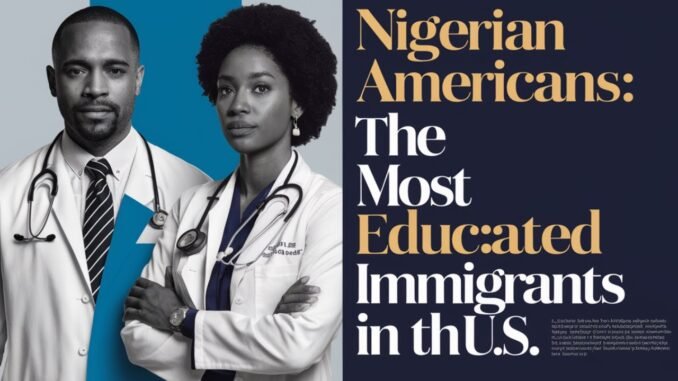
A groundbreaking study has sent ripples through social media and academic circles, confirming what many Nigerians have long suspected: our children are absolutely crushing it abroad, particularly in America.
The research, which was brought to widespread attention by education policy expert Marc Porter Magee, shows that second-generation Nigerian Americans—children born in the US to Nigerian immigrant parents—have achieved the highest levels of educational attainment of any racial or ethnic group in America. Yes, you read that correctly. Higher than Asian Americans, higher than white Americans, higher than everyone.
The Numbers Don’t Lie
For those of us back home who have watched our brothers, sisters, cousins, and friends relocate to the US over the decades, this news feels like both vindication and celebration. The stereotype of the strict Nigerian parent pushing their children toward medicine, law, or engineering? Apparently, it’s producing real results.
Second-generation Nigerian Americans are more likely to obtain bachelor’s degrees, master’s degrees, and professional qualifications than their peers from other backgrounds. They’re filling the halls of Ivy League universities, dominating in STEM fields, and making their mark in medicine, technology, finance, and law.
Why Are Nigerian Americans Excelling?
Anyone who grew up in a Nigerian household can tell you exactly why these results aren’t surprising:
The Nigerian Home Training Factor: From Lagos to Enugu, from Kano to Port Harcourt, Nigerian parents instill a particular brand of discipline and expectation that travels well across the Atlantic. “You will be a doctor” or “You will be a lawyer” aren’t just suggestions—they’re declarations of destiny.
Education as Non-Negotiable: In Nigerian culture, education isn’t just about personal advancement; it’s about family honour, community pride, and securing a better future for the next generation. Failure is simply not an option when your entire extended family is waiting to hear about your achievements.
The Immigrant Drive: Nigerian immigrants to the US often arrive highly educated themselves and are determined that their children will go even further. This creates households where academic excellence is the baseline, not the exception.
Cultural Values Meet American Opportunity: The combination of Nigerian work ethic, respect for education, and the opportunities available in the American system creates a powerful formula for success.
What This Means for Nigeria
This achievement should fill every Nigerian with pride, but it also raises important questions. If our children can top educational rankings in America, what does this say about our potential at home?
The brain drain that has seen thousands of our brightest minds relocate to the US, UK, Canada, and beyond represents both a loss and a diaspora success story. These second-generation achievers maintain strong connections to Nigeria, often visiting, investing, and contributing to development back home.
More Than Just Bragging Rights
While it’s tempting to simply celebrate and share this news on WhatsApp family groups (and we absolutely should), this data represents something deeper: proof that when given the right environment and opportunities, Nigerians excel at the highest levels.
The challenge for Nigeria is creating systems and opportunities that allow our young people to achieve similar success without having to leave home. We have the talent, the drive, and the cultural values that produce excellence—we need the infrastructure, systems, and opportunities to match.
The Model Minority Myth: A Word of Caution
As proud as this achievement makes us, it’s important to remember that not every Nigerian or Nigerian American’s story is one of Ivy League degrees and six-figure salaries. The pressure to succeed can be immense, and mental health challenges within our community often go unaddressed because they don’t fit the narrative of excellence.
Second-generation Nigerian Americans face their own unique challenges, balancing the weight of expectations from their Nigerian heritage with the realities of being Black in America. Their success doesn’t erase the discrimination and obstacles they face—it makes their achievements even more remarkable.
Looking Forward
This study is more than a feel-good story for Nigerian Twitter to run with (though run with it we shall). It’s evidence of what our people are capable of when determination meets opportunity.
For parents raising the next generation—whether in Lagos, New York, London, or anywhere else—this research affirms that investing in education, maintaining our cultural values, and setting high expectations produces results.
For policymakers and leaders in Nigeria, it’s a reminder that our greatest resource isn’t oil—it’s our people. The question is whether we can create the conditions that keep that talent at home or at least ensure they return to contribute to building the Nigeria we all dream of.
The Bottom Line
Second-generation Nigerian Americans aren’t just doing well in US schools—they’re leading the pack. This achievement belongs to the hardworking immigrant parents who sacrificed everything, the young people who burned the midnight oil, and the culture that taught us that excellence is the only acceptable standard.
To every Nigerian parent who has been accused of being “too strict” or pushing their children “too hard”—this one’s for you. The data suggests you might have been onto something all along.
Now, if you’ll excuse us, we need to forward this article to our parents with the caption: “See? We’re trying our best.”
—
What are your thoughts on this achievement? Do you think Nigeria can create similar opportunities at home? Share your views in the comments below.
Follow for more news on buzzUp9ja
Be the first to comment