
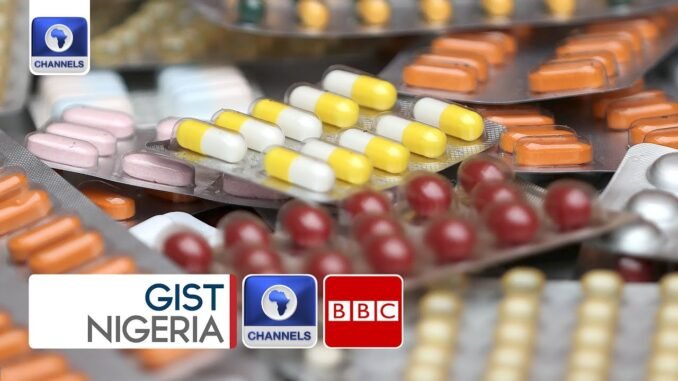

Summary: Nigeria and global health systems face potential shortages of essential medicines including Paracetamol and Aspirin by June 2025 due to Middle East conflict disrupting pharmaceutical supply chains.
Nigerians who regularly depend on common medications like Paracetamol, Aspirin, and other essential prescription drugs may soon face serious challenges getting these medicines. According to industry experts, global pharmaceutical supply chains are under severe pressure due to ongoing conflicts in the Middle East, particularly involving Iran.
The Looming Medicine Crisis
While reports initially focused on the UK’s National Health Service (NHS), the ripple effects of this supply chain disruption extend far beyond Britain’s shores. Nigeria, which imports a significant portion of its pharmaceutical products, could feel the impact even more severely.
The crisis stems from disruptions in key shipping routes and manufacturing hubs in the Middle East region. Iran plays a crucial role in the global pharmaceutical supply chain, producing active pharmaceutical ingredients (APIs) that form the foundation of many common medications.
Which Medicines Are at Risk?
The medications facing potential shortages include some of the most commonly used drugs in Nigerian households and hospitals:
– Paracetamol (also known as acetaminophen) – used for pain relief and fever
– Aspirin – used for pain relief, inflammation, and heart disease prevention
– Various other prescription medications that rely on Middle Eastern manufacturing
These are drugs that millions of Nigerians use daily for everything from treating malaria symptoms to managing chronic conditions.
Why Should Nigerians Be Concerned?
Unlike some developed nations with large stockpiles and diverse supply sources, Nigeria’s pharmaceutical sector is heavily dependent on imports. According to the Pharmaceutical Society of Nigeria, over 70% of medicines consumed in the country are imported, with a significant portion of raw materials coming from Asian and Middle Eastern suppliers.
This means that any global disruption quickly translates to local shortages, often accompanied by price increases that put essential medicines out of reach for ordinary Nigerians.
The Middle East Connection
The ongoing tensions involving Iran have disrupted:
1. Manufacturing facilities producing active pharmaceutical ingredients
2. Shipping routes through critical waterways like the Strait of Hormuz
3. Supply chain logistics connecting manufacturers to distributors worldwide
Iran’s pharmaceutical industry is particularly significant because it produces generic versions of many essential medicines at affordable prices – exactly the kind Nigeria’s market depends on.
What This Means for Nigerian Families
For the average Nigerian family, this potential shortage could mean:
– Higher prices for basic medicines as scarcity drives up costs
– Difficulty finding common drugs at local pharmacies
– Increased health risks for people managing chronic conditions
– Greater financial strain as families scramble to stockpile medicines
Already, many Nigerians struggle to afford healthcare. A shortage of essential medicines would only deepen this crisis.
The Government’s Response
As of now, Nigerian health authorities have not issued official statements about contingency plans for potential medicine shortages. However, healthcare advocates are calling on the Federal Ministry of Health and the National Agency for Food and Drug Administration and Control (NAFDAC) to:
– Monitor the situation closely
– Build strategic reserves of essential medicines
– Encourage local pharmaceutical manufacturing
– Prevent hoarding and price gouging
What Can Nigerians Do?
While the situation remains uncertain, here are some practical steps:
1. Don’t panic buy – Mass buying creates artificial shortages and drives up prices
2. Keep reasonable supplies of any essential medications you regularly use
3. Consult your doctor about alternatives if your regular medication becomes unavailable
4. Buy from verified sources to avoid counterfeit drugs that often flood the market during shortages
5. Support local pharmaceutical companies that manufacture in Nigeria
The Bigger Picture: Nigeria’s Pharmaceutical Independence
This crisis highlights a long-standing problem: Nigeria’s overdependence on imported medicines. Despite being Africa’s largest economy, the country produces less than 30% of its pharmaceutical needs locally.
Experts have long advocated for investment in local pharmaceutical manufacturing as both an economic opportunity and a matter of national security. Events like these demonstrate why such investments are crucial.
A Wake-Up Call
Whether the predicted June deadline materializes or not, this situation serves as a wake-up call. Nigeria needs a more resilient healthcare system that can withstand global disruptions.
The government, private sector, and international partners must work together to strengthen local pharmaceutical manufacturing capacity. Only then can Nigeria ensure that its citizens have reliable access to essential medicines, regardless of what’s happening in other parts of the world.
For now, Nigerians should stay informed, avoid panic, and pressure authorities to take proactive measures. The health of millions may depend on the actions taken in the coming weeks.
Stay updated on this developing story as we continue to monitor the situation and its potential impact on Nigeria’s healthcare sector.
Visit buzzUp9ja for more updates
Be the first to comment