
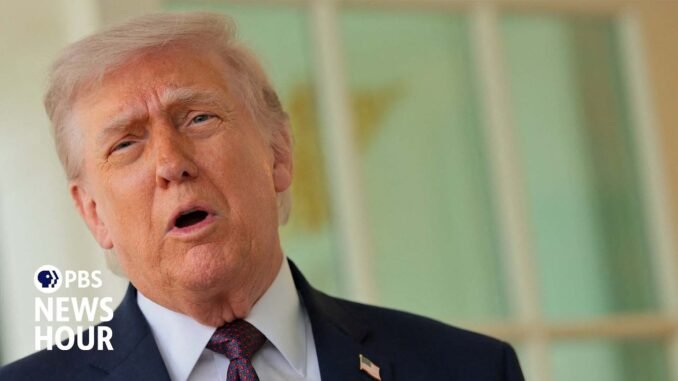

Summary: A US federal judge has thrown out Donald Trump’s defamation lawsuit against the Wall Street Journal. Find out what this means and why the case was dismissed.
In a major legal blow to former US President Donald Trump, a federal judge has dismissed his defamation lawsuit against one of America’s most respected newspapers, the Wall Street Journal. The ruling, delivered on Monday, April 13, represents yet another setback in Trump’s ongoing battles with the media.
What Happened?
The court decision brings to an end Trump’s attempt to sue the Wall Street Journal for defamation, with the judge finding insufficient grounds to proceed with the case. For those of us following American politics from Nigeria, this case is another chapter in the familiar story of Trump’s contentious relationship with the press—something that reminds many Nigerians of similar tensions between our own leaders and journalists.
Understanding Defamation Law
For our readers who may not be familiar with American defamation law, it’s important to understand that the United States has very strong protections for press freedom under their First Amendment. This makes it notoriously difficult for public figures—especially politicians—to successfully sue media houses for defamation.
To win a defamation case in America, Trump would need to prove that the Wall Street Journal published false statements with actual malice—meaning they knew the information was false or showed reckless disregard for the truth. This is a very high bar to clear, similar to how our own defamation laws work here in Nigeria, though with some differences.
Why This Matters
This dismissal is significant for several reasons:
Press Freedom: The ruling reinforces the principle that journalists must be able to report on public figures without fear of frivolous lawsuits. This is something we in Nigeria understand deeply, as our own media practitioners face similar challenges when reporting on those in power.
Legal Strategy: Trump has filed numerous lawsuits against media organizations throughout his political career. This dismissal follows a pattern of such cases being rejected by the courts, raising questions about the strategic purpose of these legal actions.
Precedent: The decision adds to the body of law protecting journalistic work, making it harder for powerful individuals to use defamation suits to intimidate or silence critical coverage.
The Bigger Picture
From a Nigerian perspective, watching these legal battles unfold in America offers valuable lessons about the relationship between government, media, and the judiciary. While our legal systems differ, the fundamental tensions between power and accountability remain universal.
The Wall Street Journal, like premium Nigerian newspapers such as The Guardian and ThisDay, plays a crucial role in holding leaders accountable through investigative journalism. When courts protect that role—even when powerful people are unhappy with the coverage—democracy is strengthened.
What’s Next?
Trump has the option to appeal the decision, though legal experts suggest such an appeal would face significant hurdles. Meanwhile, he continues to face multiple other legal challenges, both civil and criminal, making this dismissal just one piece of a larger legal puzzle.
For Nigerian readers interested in international affairs, this case serves as a reminder that no matter how powerful a political figure becomes, the rule of law and press freedom remain foundational pillars of democracy—principles we must continue to uphold in our own country as well.
Stay tuned for more updates on this story and other international news that matters to Nigerian readers.
For more information, check buzzUp9ja
Be the first to comment